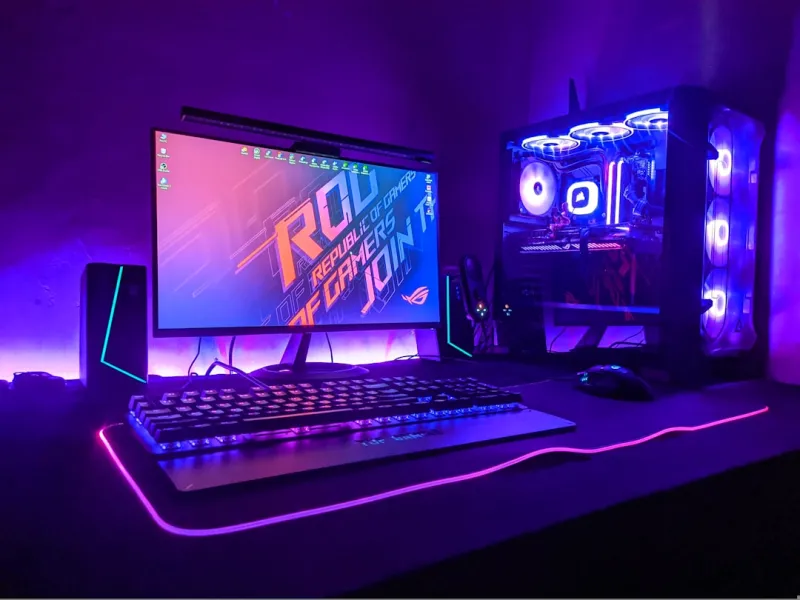
If you’ve been following my builds for the past few years, you know I treat a PC upgrade like a seasonal wardrobe change—only the stakes are higher and the fabrics are silicon. In 2026, the hardware landscape is buzzing with PCIe 5.0 lanes, DDR5‑5600 memory kits, and GPUs that can run entire AI models locally. Yet, the temptation to chase every shiny spec can lead to a mismatched rig that underdelivers. My goal in this post is to walk you through a systematic upgrade strategy that balances raw power, future‑proofing, and real‑world performance. I’ll share the lessons I learned when I swapped out a legacy GTX 1080 for an RTX 4090, how I chose a motherboard that won’t feel obsolete in two years, and why a thoughtful approach to cooling and power can save you both money and headaches. By the end, you’ll have a clear roadmap to turn your current box into a future‑ready powerhouse without breaking the bank.
Start With the GPU: The Heart of Modern Workloads
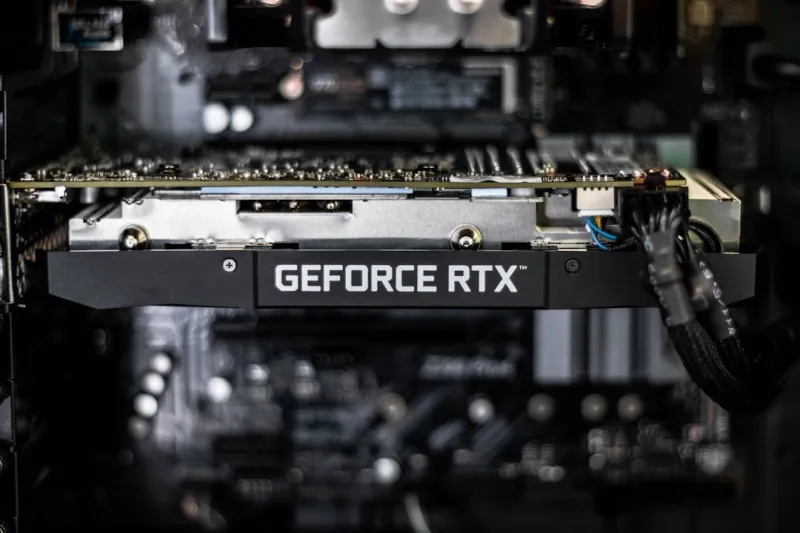
The graphics card remains the single most impactful component you can upgrade in 2026, especially as AI‑accelerated applications become mainstream. A modern RTX 5000‑series or AMD Radeon 7900 XT not only boosts frame rates in games but also provides dedicated Tensor cores for on‑device inference, meaning you can run ChatGPT‑style models locally without a cloud subscription. However, raw horsepower isn’t enough—thermal headroom, power delivery, and driver stability are equally critical. If you’ve ever faced flickering textures or sudden crashes, take a look at our GPU troubleshooting guide before you buy. It walks you through common symptoms, firmware updates, and quick sanity checks, ensuring your new card slides into your system without a hitch.
CPU Choices: Balancing Core Count and Efficiency
While the GPU steals the spotlight, the processor determines how well your system can feed data to that beast. In 2026, the sweet spot for most creators and gamers sits between 12 and 16 cores, with clock speeds that push 5 GHz on boost. Intel’s 14‑core “Alder Lake‑X” and AMD’s 16‑core “Zen 4” chips both offer excellent single‑thread performance for legacy titles, while their multi‑threaded prowess shines in video rendering and AI workloads. Don’t overlook the platform’s power envelope; newer CPUs often demand 125 W or more, so pair them with a PSU that can handle peak loads. Also, verify that your motherboard supports the latest socket and BIOS version—skipping a firmware update can throttle performance and even prevent the system from booting.
Memory Matters: Go DDR5 or Stay DDR4?
Memory bandwidth has become a bottleneck for AI inference and high‑resolution texture streaming. DDR5‑5600 modules provide roughly 30 % more bandwidth than the fastest DDR4 kits, translating to smoother gameplay and faster model loading times. For most users, 32 GB is the sweet spot—enough to multitask between a game, a browser, and a Python notebook without hitting the swap file. If you’re budget‑conscious, a 2 × 16 GB kit offers better dual‑channel performance than a single 32 GB stick. Remember to enable XMP profiles in the BIOS to hit the advertised speeds; many builders forget this step and end up running at default 2133 MHz, nullifying the upgrade’s benefits.
Storage: Embrace PCIe 5.0 NVMe for Lightning‑Fast Loads
Loading times have become a major differentiator in the user experience, and PCIe 5.0 NVMe SSDs deliver sequential reads well beyond 10 GB/s. This isn’t just about shaving seconds off game boot screens; it’s about enabling instant data pipelines for AI training sets and massive 8K video edits. A 2 TB PCIe 5.0 drive strikes a balance between capacity and cost, while a secondary 4 TB SATA SSD can serve as a bulk storage lake for media files. Keep an eye on thermal throttling—high‑performance drives can heat up quickly, so a heatsink or a dedicated M.2 slot with active cooling is advisable. Pairing these drives with a robust file system like NTFS or ReFS ensures data integrity, especially when you’re juggling large datasets.
Choosing the Right Motherboard in 2026: Future‑Proof Features Every Builder Needs
The motherboard is the silent workhorse that determines how long your upgrade cycle will last. Look for boards that support PCIe 5.0 for both GPU and storage, offer at least six M.2 slots, and include Wi‑Fi 7 for next‑gen wireless speeds. Robust VRM designs with 12+ power phases are essential for high‑end CPUs and overclocking headroom. I recently migrated to a X670E chipset board after reading Choosing the Right Motherboard in 2026, and the difference in stability under load was night and day. Don’t forget to check for USB 4.0 ports, which will become the new standard for fast peripheral connectivity, and ensure the BIOS supports secure boot and TPM 2.0 for enterprise‑grade security.
Power Supply and Cooling: The Unsung Heroes of Reliability
A high‑end GPU and CPU combo can draw 600 W or more under peak load, so a quality 850 W to 1000 W 80+ Gold or Platinum PSU is non‑negotiable. Look for modular cables to keep cable management tidy, which improves airflow and reduces dust buildup. On the cooling front, hybrid solutions that combine a 240 mm AIO liquid cooler for the CPU with high‑static‑pressure fans on the radiator and case intake can keep temperatures under 70 °C even during marathon gaming or AI inference sessions. If you’re building a silent workstation, consider low‑rpm fans with high CFM ratings and a fan curve that ramps only when temperatures exceed 65 °C. Proper thermal paste application—using a pea‑sized amount of premium compound—can shave off a couple of degrees and extend the lifespan of both CPU and GPU.
Software and Driver Hygiene: Keep Your System Running Smoothly
Hardware upgrades are only half the battle; software optimization ensures you reap the full benefits. Windows 11 remains the dominant OS in 2026, offering built‑in support for DirectStorage and GPU scheduling that can boost frame times. Regularly update your graphics drivers—NVIDIA and AMD push performance patches monthly, and a missed update can leave you stuck at sub‑optimal FPS. For those who love tinkering, tools like MSI Afterburner let you fine‑tune clock speeds and fan curves, but always benchmark with a stable baseline. If you encounter instability, refer to our Why Video Card Troubleshooting Is More Critical Than Ever article; it covers everything from voltage spikes to driver rollbacks, giving you a safety net when you push the envelope.
Final Checklist: Building a Future‑Ready, Balanced Rig
Before you click “Add to Cart,” run through this quick audit: 1️⃣ Confirm GPU and CPU compatibility with your chosen motherboard’s socket and PCIe lanes. 2️⃣ Verify that your PSU meets wattage and efficiency standards for the new components. 3️⃣ Ensure you have adequate cooling—both CPU and case airflow. 4️⃣ Enable XMP, update BIOS, and install the latest GPU drivers immediately after build. 5️⃣ Plan for expansion: extra M.2 slots, additional RAM slots, and USB 4.0 ports will keep the system relevant for years. By following this methodical approach, you’ll avoid the common pitfalls of over‑hyped purchases and end up with a machine that not only dominates today’s games but also handles tomorrow’s AI workloads with ease. Happy building, and may your frames be high and your temps low!