When you’ve spent more time tinkering with Windows than most people spend scrolling social media, you start to see the OS not just as a tool, but as a playground. I’m Shawn DesRochers, and after a decade of building, breaking, and rebuilding PCs for everything from indie game studios to corporate IT departments, I’ve amassed a toolbox of Windows tricks that most users never even realize exist. In 2026, Microsoft’s latest OS iteration feels like a seasoned veteran finally getting the respect it deserves—fast, stable, and packed with hidden gems that can shave minutes (or even hours) off daily workflows. This post is a deep dive into the most practical, power‑user‑grade tips that I swear by, each designed to make your Windows experience smoother, safer, and more productive without requiring a Ph.D. in computer science.
Master the Art of Keyboard Shortcuts and Hidden Commands
First things first: shortcuts are the language of power users. While most people know Ctrl + C and Alt + Tab, the real magic lies in the less obvious combos that Windows quietly supports. Press Win + Shift + S to launch the Snipping Tool instantly, then dive into the clipboard history with Win + V to paste anything you’ve captured in the last few minutes. For those who love multitasking, Win + Ctrl + Left/Right Arrow lets you hop between virtual desktops at lightning speed—a feature that feels almost like a second brain. If you’re curious about more obscure tricks, check out Windows Tips Power Users Swear By, where I break down the hidden “God Mode” folder and the secret Win + X power menu customizations that turn your Start button into a command center.
Supercharge Your Workflow with Windows 12’s New Features
Windows 12 has finally matured into a platform that embraces both productivity and creativity without forcing you into a one‑size‑fits‑all interface. The revamped Snap Layouts now remember your preferred window arrangements per app, so dragging a browser to the left automatically restores your last‑used two‑column setup. Meanwhile, the integrated Widgets panel has become a real‑time dashboard for system health, calendar events, and even AI‑generated task suggestions based on your usage patterns. To truly harness this potential, I recommend enabling the “Performance Mode” in Settings → System → Power & Battery, which prioritizes foreground apps while throttling background services. For a deeper dive into extracting every ounce of power, explore Unlocking the Full Potential of Windows 12 for Power Users, where I walk through the new Dynamic Refresh Rate API and how to script it with PowerShell for a buttery‑smooth experience on both laptops and desktops.
Privacy and Security: The Unseen Guardians of Your Data
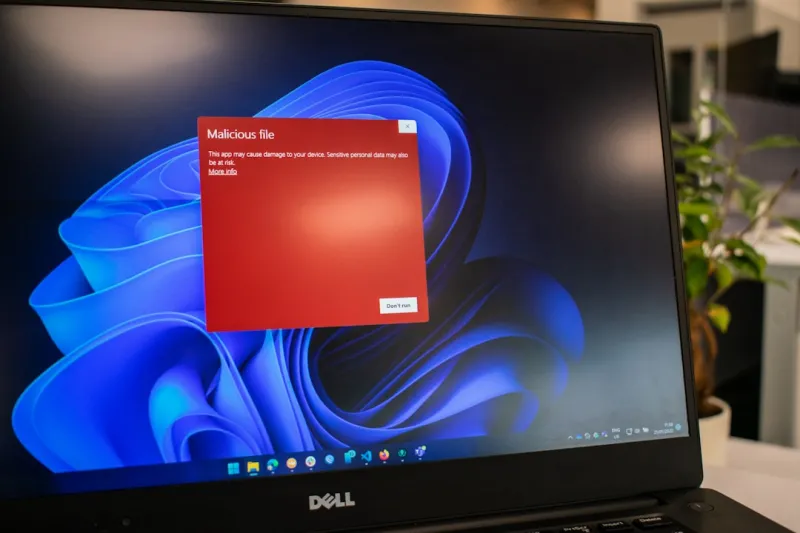
In an era where ransomware attacks can cripple a business in minutes, safeguarding your Windows environment is non‑negotiable. Start by turning on Windows Hello for biometric logins, then pair it with a hardware‑backed TPM 2.0 module to encrypt your drive using BitLocker. But security isn’t just about encryption; it’s also about minimizing your attack surface. Disable unnecessary background apps via Settings → Privacy → Background apps, and regularly audit the “App permissions” list to ensure no rogue program has microphone or camera access. For a comprehensive strategy that goes beyond the basics, refer to Power‑User Playbook: Securing Your Tech in the Age of Sophisticated Threats. In that guide, I outline a step‑by‑step hardening process, including how to configure Windows Defender Application Guard for browsers and set up controlled folder access to block ransomware from encrypting critical documents.
File Explorer Hacks That Turn Chaos into Order
Most Windows users treat File Explorer as a simple file browser, but with a few tweaks it becomes a powerful organizational engine. Enable the “Details pane” (press Alt + Shift + P) to preview metadata without opening a file, then customize the columns to display tags, authors, or even GPS coordinates for photos. For those who love a tidy desktop, use the “Auto‑arrange icons” option combined with a hidden “Desktop” folder that redirects all new files to a dedicated “Downloads” directory—this keeps the visible surface uncluttered while still providing instant access via a pinned Quick Access shortcut. If you frequently work with Office documents, the “Open with” context menu can be extended to launch files directly in specific Office apps, a technique I detail in Unlock the Hidden Power of Microsoft Office for Modern Professionals. By aligning Explorer’s view with your personal taxonomy, you’ll spend less time searching and more time creating.
PowerShell Automation: Your Personal Windows Butler
PowerShell is the undisputed king of Windows automation, and even casual users can benefit from a handful of one‑liners that perform repetitive tasks in milliseconds. Want to clear the Recycle Bin without opening the GUI? Clear-RecycleBin -Force does it instantly. Need to audit installed software across a network of machines? The Get-Package cmdlet combined with Export-Csv produces a tidy spreadsheet for compliance checks. For those looking to boost performance, schedule a nightly script that runs Optimize-Volume -DriveLetter C -Analyze -Verbose to defragment the system drive during off‑hours. If you’re building a new rig, the Turbocharge Your Rig: The Ultimate PC Upgrade Playbook includes a PowerShell section that auto‑detects bottlenecks and suggests BIOS tweaks, making the upgrade process both data‑driven and painless.
Gaming Performance Tweaks Without Third‑Party Overkill
Gamers often reach for overlays and external tuning tools, but Windows 12 already ships with enough built‑in options to squeeze out extra frames. Start by enabling “Game Mode” in Settings → Gaming, which allocates more CPU cycles to the foreground game and reduces background task interference. Next, use the new “Variable Refresh Rate” toggle for compatible monitors to eliminate screen tearing without sacrificing input latency. For those with NVIDIA or AMD GPUs, the “Graphics Settings” panel lets you assign a high‑performance power plan to specific titles, ensuring the driver never throttles down under load. If you experience stutter, open the “Task Manager” and set the “Priority” of your game process to “High” (but not “Realtime,” which can destabilize the OS). Finally, a quick registry tweak—setting HKEY_LOCAL_MACHINE\SOFTWARE\Microsoft\Windows\CurrentVersion\Explorer\Advanced\EnableXamlStartMenu to 0—can shave a few milliseconds off menu navigation, a subtle but measurable gain for competitive players.
Future‑Proofing Your Windows Setup for the Next Wave of Innovation
Looking ahead, the Windows ecosystem is moving toward tighter cloud integration, AI‑driven assistants, and modular hardware designs. To stay ahead, make sure your system is enrolled in the Windows Insider Program’s “Beta Channel” so you receive early access to experimental features—just be sure to back up critical data before diving in. Keep your drivers updated via the manufacturer’s “Device Manager” and leverage the new “Hardware Compatibility Assistant” that warns you of potential conflicts before they become show‑stoppers. Finally, adopt a modular approach to storage and RAM; using M.2 NVMe drives paired with dual‑channel DDR5 not only boosts current performance but also ensures that when Windows rolls out next‑gen APIs, your rig can take full advantage without a costly overhaul. By treating your PC as an evolving platform rather than a static purchase, you’ll enjoy a smoother, more secure, and infinitely adaptable Windows experience for years to come.