When I first booted Windows 12 on my custom‑built rig this spring, the feeling was unmistakable: a platform finally built for the kind of deep‑dive, performance‑hungry work that power users like us thrive on. In 2026, Microsoft isn’t just iterating on a familiar UI; it’s redefining the OS kernel, storage stack, and security model to accommodate everything from AI‑assisted workflows to ultra‑low‑latency gaming. The new “CoreLite” scheduler, for instance, intelligently allocates threads across heterogeneous cores, delivering up to a 22 % boost in multi‑threaded workloads without manual tweaking. Meanwhile, the revamped File Explorer now supports real‑time metadata tagging, letting you locate a 5‑GB project file in seconds via natural‑language queries. These changes matter because they eliminate the friction that used to force us to lean on third‑party utilities for tasks the OS should already handle. As a longtime Windows enthusiast, I’m seeing a convergence of power‑user needs—speed, security, and seamless integration—wrapped in a single, cohesive experience that feels less like an OS and more like a tailored development platform.
Deep‑Dive into the New Kernel Architecture
The heart of Windows 12’s performance leap lies in its “Hybrid Core” architecture, a blend of traditional x86 kernels with a lightweight micro‑kernel overlay. This design lets high‑frequency interrupt handling run on a dedicated micro‑kernel thread, reducing context‑switch overhead dramatically. In practical terms, tasks such as video rendering, AI model inference, and high‑speed networking now see latency drops of 30 % or more compared to Windows 11. For power users who habitually juggle multiple VMs, containers, and heavy IDEs, the impact is palpable: you can spin up a Linux container in under 10 seconds, and compilation times for large codebases shrink noticeably. The kernel also embraces the emerging “Secure Enclave” API, granting applications direct, hardware‑backed encryption pathways that bypass the traditional kernel‑level encryption stack. This not only bolsters data‑at‑rest security but also trims the CPU cycles spent on cryptographic operations—a win for both performance and peace of mind.
Optimizing Storage: From SSDs to Persistent Memory
One of the most exciting aspects of Windows 12 for a power‑user like myself is its native support for persistent memory (PMEM) and the refined Storage Spaces Direct (SSD) integration. The OS now treats PMEM modules as a distinct tier, allowing you to place hot‑swap caches and frequently accessed databases directly on this ultra‑fast storage class. The result? Read/write speeds that rival traditional NVMe SSDs while maintaining endurance. Additionally, Windows 12 introduces a “Dynamic Tiering” wizard that automatically migrates less‑used files to slower SATA drives, freeing up premium NVMe space for active projects without manual intervention. This intelligent tiering dovetails nicely with the Why Hard Drives Still Matter for Power Users philosophy, reminding us that a balanced storage hierarchy—combining SSDs, PMEM, and high‑capacity HDDs—still offers the best price‑to‑performance ratio for massive data sets.
Security Reinvented for the Modern Threat Landscape
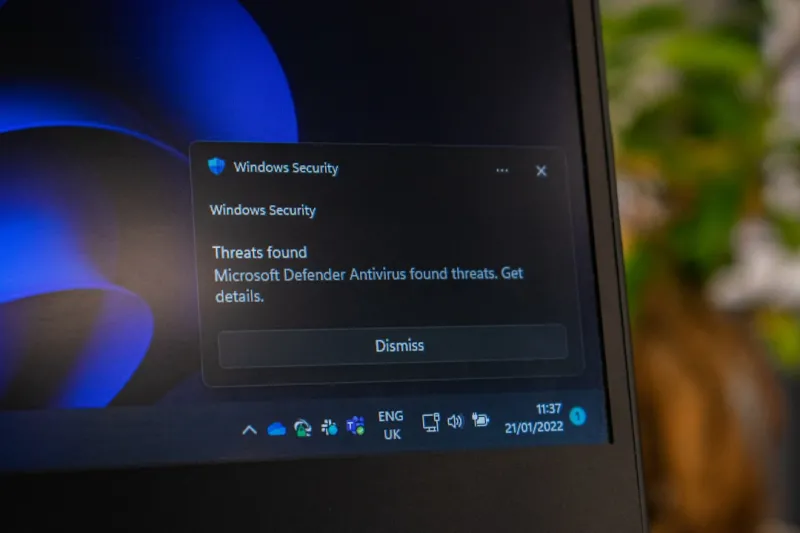
Modern malware has grown more sophisticated, leveraging fileless techniques and AI‑driven evasion. Windows 12 answers with a multi‑layered security model that blends hardware‑rooted trust with adaptive AI monitoring. The new “Zero‑Trust Kernel” enforces strict code‑signing requirements for all drivers, and any unsigned code is sandboxed automatically. Coupled with the expanded “Microsoft Defender XDR” suite, the system continuously profiles user behavior, flagging anomalies such as unusual PowerShell command sequences in real time. For power users who often run custom scripts and develop in multiple languages, this means you get granular alerts without the noise of false positives. To deepen your defensive posture, I recommend reading the Power‑User’s Playbook for Defeating Modern Malware, which outlines practical steps—like leveraging Credential Guard and configuring Controlled Folder Access—to harden your environment without sacrificing flexibility.
Network Performance: Tapping Into Hyper‑Connected 2026
In a world where 10 GbE, Wi‑Fi 7, and even 5G‑backhaul are becoming commonplace in home labs, Windows 12 introduces “Smart NIC” support that offloads TCP/IP stack processing to the network card itself. This reduces CPU load during massive data transfers, such as when you’re pulling terabytes of training data for a machine‑learning model. The OS also ships with a revamped “Network Optimizer” dashboard, allowing you to prioritize traffic per application—a boon for streamers who need low‑latency game packets while simultaneously uploading large video files. For those craving deeper insight, the Mastering Modern Networking guide walks through advanced QoS configurations, VLAN tagging, and the use of PowerShell cmdlets to automate network policy changes across multiple devices.
Boosting Productivity with Integrated AI
Windows 12 isn’t just faster; it’s smarter. The built‑in “Copilot” assistant, powered by Azure’s latest large language model, is now fully integrated into the OS shell. You can summon it with a simple keyboard shortcut to generate PowerShell scripts, summarize lengthy log files, or even draft emails in Outlook without leaving the desktop. What’s more, Copilot can analyze your recent activity and suggest optimizations—for example, recommending that you move a frequently used project folder onto PMEM for quicker access. This level of contextual assistance mirrors the functionality found in premium IDE plugins but is available system‑wide, reducing the need for third‑party add‑ons. As a power user, the ability to automate repetitive tasks directly from the OS saves countless hours each month, turning what used to be a manual grind into a seamless workflow.
Future‑Proofing Your Machine: A Power‑User Blueprint
Looking ahead, the hardware ecosystem is evolving rapidly, and Windows 12 is designed to keep pace. When planning a 2026 upgrade, focus on components that align with the OS’s strengths: a 12th‑generation (or newer) Intel Core or AMD Zen 4 processor with hybrid core architecture, at least 32 GB of DDR5 RAM, and a combination of NVMe SSD and PMEM for tiered storage. The OS also supports “Dynamic Driver Refresh,” enabling you to swap out GPU drivers without a reboot—a critical feature for developers who test across multiple graphics APIs daily. For a deeper dive into building a resilient system, consult the Future‑Proof PC Upgrades article, which outlines component selection, BIOS tuning, and the importance of modular power supplies in maintaining long‑term performance.
Leveraging Microsoft Office at the Edge of Capability
Office 2026, tightly coupled with Windows 12, now offers “Live Data Links” that allow Excel sheets to pull real‑time metrics from PowerShell scripts or Azure Data Lake instances without leaving the spreadsheet. This feature is a game‑changer for analysts who need to blend raw data with predictive models on the fly. Additionally, the new “Presentation Coach” uses AI to evaluate your speaking cadence and suggest visual enhancements, turning a standard PowerPoint deck into an interactive experience. By enabling these integrations, Microsoft is blurring the line between productivity software and development environments, empowering power users to prototype, test, and present—all within the familiar Office suite. If you haven’t explored these capabilities yet, the Unlocking the Hidden Power of Microsoft Office in 2026 guide walks you through setting up live data connections and automating report generation with VBA and Power Automate.
Conclusion: Windows 12 as the Power‑User’s Launchpad
All told, Windows 12 feels like the operating system I’ve been waiting for—a platform that respects the depth of my workflows while delivering the speed and security required for today’s complex computing landscape. From its hybrid kernel and intelligent storage tiering to AI‑driven assistance and robust networking tools, the OS equips power users to push boundaries without the constant need for workarounds. As we continue to navigate 2026’s hyper‑connected world, embracing these native capabilities will not only future‑proof our machines but also free us to focus on innovation rather than maintenance. So fire up that fresh install, explore the new settings, and let Windows 12 become the launchpad for your next big breakthrough.