When I first opened Microsoft Office this morning on my ultralight 2026 workstation, I felt the familiar rush of productivity mixed with a subtle, almost electric excitement. The suite has morphed far beyond the static document editor of a decade ago, embracing AI, real‑time collaboration, and security layers that feel like they were engineered for a cyber‑warrior. As a longtime power user, I’m constantly hunting for the hidden levers that turn Office from a toolbox into an extension of my own brain. In this post I’ll walk you through the most compelling trends shaping Office today, from Copilot’s deep‑learning wizardry to the granular shortcut ecosystems that let you dominate spreadsheets, presentations, and emails without ever leaving your keyboard. If you’ve ever felt that Office could do more for you, stick around – the next few sections will reveal why 2026 is the year you finally unleash its full potential.
AI‑Powered Copilot Is No Longer a Fancy Add‑On
Microsoft’s Copilot, now embedded in Word, Excel, PowerPoint, and even Outlook, is the beating heart of the Office experience in 2026. It’s not just a suggestion engine; it parses context, learns your style, and can draft entire sections of a report in the tone you prefer. Imagine typing a single bullet point and watching Copilot expand it into a polished paragraph, complete with citations pulled from your organization’s knowledge base. In Excel, it can auto‑generate complex formulas based on plain‑English prompts, while PowerPoint can suggest slide layouts that match your brand guidelines. The real power, however, lies in the feedback loop: the more you correct Copilot, the sharper it becomes, turning a generic AI assistant into a personalized co‑author that anticipates your needs. For power users, this means spending less time on repetitive drafting and more on strategic analysis—exactly the shift we’ve been chasing for years.
Custom Ribbons, Keyboard Shortcuts, and the Art of the Macro
While Copilot handles the heavy lifting, the seasoned Office veteran still relies on a meticulously crafted set of shortcuts and custom ribbons. In Word, I’ve mapped my most‑used styles to Alt+Shift+S, allowing instant formatting without a mouse click. Excel’s quick‑access toolbar now hosts a one‑click “Refresh Pivot” button, eliminating the need to navigate the ribbon each time. PowerPoint users can assign Ctrl+Alt+N to instantly insert a “New Slide with Content Layout,” a trick that saves seconds that add up over a long deck. And let’s not forget the modern macro environment: VBA has been complemented by Office Scripts, which run in the cloud and can be triggered from Power Automate. The synergy between local shortcuts and cloud‑based scripts means you can automate a quarterly financial close with a single keystroke, then watch the data flow into SharePoint without ever leaving your desktop.
Real‑Time Collaboration That Feels Like Telepathy
Collaboration in Office 2026 feels less like a shared document and more like a shared mind. With Teams fully woven into the Office fabric, you can co‑author a Word doc while simultaneously chatting, sharing screen snippets, and assigning tasks—all without flipping windows. The new “Presence‑Aware Editing” feature highlights which sections your teammates are actively working on, reducing the dreaded “who edited what” confusion. In Excel, live data streams from Power BI can be embedded directly, letting analysts see dashboard updates as they type formulas. This fluidity extends to Outlook, where meeting notes auto‑populate a shared OneNote page, instantly accessible to every participant. The result is a seamless workflow where the barrier between individual effort and team output has essentially dissolved.
Zero‑Day Threats Meet Power‑User Security Mindset
With collaboration comes risk, and Office’s integration with cloud services makes it a prime target for zero‑day exploits. That’s why I adopt the same vigilance I use on my development rig, treating every shared file as a potential attack vector. Microsoft’s built‑in Information Protection (AIP) now offers automatic classification based on content sensitivity, but the real safeguard is a power‑user security mindset. By regularly reviewing the Zero‑Day Threats Demand a Power‑User Security Mindset article, you can adopt habits like enforcing multi‑factor authentication on all Office 365 accounts, applying sensitivity labels before sending, and using conditional access policies that lock down access from unknown devices. The combination of AI‑driven threat detection and disciplined user practices creates a defense in depth that keeps your data safe without hampering productivity.
Automation with Power Automate: From Simple Tasks to Enterprise‑Scale Workflows
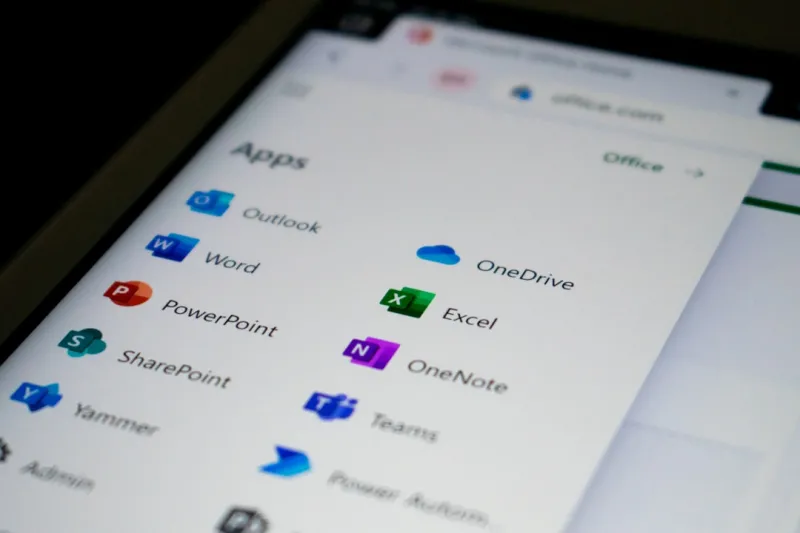
Power Automate has evolved from a simple “if this, then that” platform into a full‑blown orchestration engine capable of handling complex, multi‑step business processes. In my daily routine, I’ve built a flow that watches a shared OneDrive folder for new PDFs, extracts text via Azure Cognitive Services, and then populates a SharePoint list with metadata—all without lifting a finger. The real breakthrough this year is the integration of AI Builder, which lets you embed custom models directly into your flows. Need to flag invoices over a certain amount? Just add a “Predictive Model” step, and the system routes them for manager approval automatically. For power users, the beauty lies in the ability to prototype a workflow in minutes, test it in a sandbox, and then scale it across the enterprise with a single click.
Cross‑Platform Consistency: From Desktop to Mobile and the Web
One of the biggest frustrations for power users in the past was the inconsistent experience across devices. Office 2026 finally delivers a truly unified UI, whether you’re on a high‑end Windows laptop, a sleek iPad, or the web app in a corporate Chrome browser. Features like the new “Universal Command Palette” (Ctrl+Shift+P) work identically everywhere, giving you instant access to search, commands, and recent files. The mobile Office apps now support full‑screen editing and even Copilot suggestions, meaning you can finalize a presentation on the train and have it sync seamlessly to your desktop version. This consistency reduces the cognitive load of switching contexts, letting you focus on the work itself rather than relearning UI quirks.
Advanced Data Analysis in Excel: Beyond Numbers
Excel has always been the go‑to for data crunching, but in 2026 it’s also a portal to live, external data ecosystems. With the new Data Types feature, you can link cells directly to real‑time financial markets, weather feeds, or even corporate HR databases. Combined with dynamic arrays and the LAMBDA function, you can now create reusable, parameterized formulas that behave like custom functions without writing a single line of code. For power users, the game‑changing addition is the integration of Power Query with AI: you can ask Copilot to “clean this dataset” and watch it automatically remove duplicates, standardize date formats, and flag outliers. These capabilities transform Excel from a static spreadsheet into an interactive analytics hub that can serve as the backbone of your reporting strategy.
Version Control and Document Governance at Scale
Managing hundreds of documents across departments used to be a nightmare of manual naming conventions and endless email threads. Office 2026’s enhanced version history, combined with SharePoint’s metadata tagging, makes it possible to enforce governance policies automatically. You can set retention rules that archive files after a specific period, or require that any document marked as “Confidential” must be encrypted with a company‑wide key before it leaves the network. The new “Document Insight” pane provides a quick audit trail, showing who edited what and when, all with a single click. By integrating these tools into your daily workflow, you eliminate the risk of accidental data leakage while ensuring that every stakeholder has access to the latest, approved version of a file.
Looking Ahead: The Office Suite as a Living Extension of You
The trajectory of Microsoft Office in 2026 points toward an environment where the suite anticipates your needs, adapts to your habits, and safeguards your work automatically. The convergence of AI, robust security, and seamless cross‑device functionality means that the traditional boundaries between creation, collaboration, and automation are dissolving. As a power user, the best approach is to stay curious: experiment with new Copilot prompts, refine your shortcut libraries, and keep an eye on the Critical Power‑User Updates Shaping 2026 to leverage every breakthrough as soon as it lands. When you treat Office not just as a set of apps but as a living, learning partner, you’ll find that the time you spend on repetitive tasks shrinks dramatically, freeing you to focus on strategy, innovation, and the creative work that truly matters.