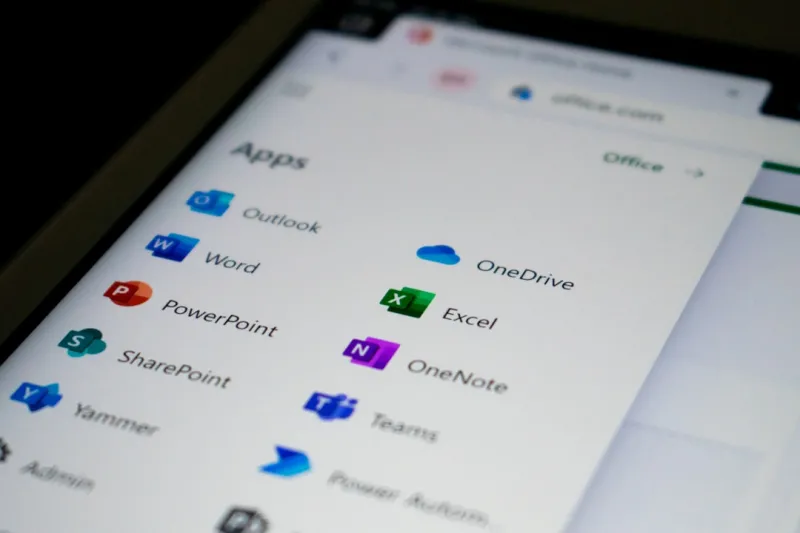
When you hear the phrase “Microsoft Office,” you might picture a static suite of apps that has barely changed since the early 2000s. In 2026 that image is a relic. Office has morphed into an AI‑driven playground that rewards the power‑user who knows how to coax intelligence out of familiar tools. From Copilot’s contextual suggestions in Word to the predictive analytics baked into Excel, the platform now feels less like a collection of static programs and more like a living, learning assistant. As someone who spends hours fine‑tuning workflows, I’ve watched these capabilities evolve from optional add‑ons to core pillars of productivity. The shift isn’t just cosmetic; it changes how we structure documents, how we think about data, and even how we collaborate across borders. In this post I’ll walk through the most impactful features, share performance‑tuning tips, and explain why embracing Office’s AI layer is no longer a “nice‑to‑have” but a strategic imperative for any modern power user.
Copilot: The New Co‑Writer in Word and PowerPoint
Copilot is no longer a novelty—it’s the default writing partner for most Office users in 2026. By analyzing the context of your document, it can draft sections, suggest rephrasing, and even generate citations from scholarly databases, all in real time. In Word, you can highlight a paragraph and ask Copilot to “expand this argument with recent market data,” and it will pull the latest figures from integrated data sources. PowerPoint benefits similarly; a single prompt can produce a full slide deck complete with speaker notes and visual recommendations that match your branding guidelines. The key for power users is to treat Copilot as an accelerator, not a replacement. I’ve built a workflow where I outline a report, let Copilot flesh out the first draft, and then run a series of custom macros to enforce style guides and insert organization‑specific terminology. The result is a document that’s both polished and perfectly aligned with corporate standards, cutting drafting time by nearly 60 %.
Automation at Scale with Power Automate and Advanced Macros
Automation has always been the heart of power‑user productivity, and Office 2026 raises the bar with deeper Power Automate integration. You can now trigger flows directly from within Excel cells, allowing real‑time data validation, automated API calls, and conditional formatting without leaving the spreadsheet. For instance, I’ve set up a flow that watches a sales ledger, and whenever a new entry exceeds a predefined threshold, it automatically drafts an email in Outlook, attaches a dynamic chart, and logs the transaction in a SharePoint list. The new “Script Lab” environment lets you write JavaScript‑based Office Scripts that run across the suite, replacing the older VBA approach with a more secure, cross‑platform language. By combining Power Automate’s cloud‑based triggers with on‑device Office Scripts, you achieve a hybrid model that maximizes speed while preserving enterprise security policies. The payoff? Routine tasks that once consumed hours are now resolved in seconds, freeing mental bandwidth for strategic analysis.
Collaboration Redefined: Real‑Time Co‑Authoring and Teams Integration
Collaboration used to be a matter of emailing documents back and forth. Today, the integration between Office apps and Microsoft Teams creates a seamless, always‑on collaborative environment. When you co‑author a document in Word, every change appears instantly, and you can jump into a Teams call directly from the editing pane to discuss revisions. Excel now supports shared workbooks that update live across multiple users, with conflict resolution powered by AI that suggests the most logical merge based on historical edits. PowerPoint’s “Live Presentation” mode allows remote participants to annotate slides in real time, while the presenter sees those annotations appear as subtle overlays. For power users, the real advantage lies in the ability to embed Teams meeting notes, task lists, and even Planner cards directly into Office documents, creating a single source of truth that bridges communication and execution. This unified experience eliminates context switching and accelerates decision‑making, especially in fast‑paced project environments.
Security and Compliance: AI‑Powered Threat Detection
Data security is a non‑negotiable concern for power users handling sensitive information. Office 2026 leverages AI to scan documents for potential data leaks before they leave your organization. Sensitivity labels now auto‑apply based on content analysis, flagging personally identifiable information (PII) or regulated data such as HIPAA or GDPR identifiers. In Outlook, AI‑driven phishing detection examines the tone, sender reputation, and embedded URLs, offering a one‑click “Report & Delete” option that also educates the user on why the message was flagged. Excel’s “Data Loss Prevention” engine watches for patterns that resemble credit card numbers or social security numbers, and automatically encrypts those cells. By integrating these capabilities with Azure Active Directory Conditional Access, you can enforce device‑based policies that only allow Office apps on compliant hardware—a strategy I detailed in my piece on Unlocking Windows for Power Users. The result is a proactive security posture that catches issues before they become breaches.
Hardware Considerations: Building an AI‑Ready Office Workstation
Even the smartest software can be throttled by inadequate hardware. To truly unleash Office’s AI features, you need a workstation that balances CPU performance, ample RAM, and a capable GPU for accelerated rendering. Modern Office apps offload certain AI tasks—like real‑time language translation in Word or complex chart generation in Excel—to the GPU, dramatically reducing latency. I recommend a system with at least an 8‑core CPU, 32 GB of DDR5 memory, and an RTX 40‑series GPU, even if you’re not a gamer. Such a configuration ensures that AI‑driven suggestions appear instantaneously, and large data models in Excel don’t stall the UI. For those building a new rig, check out my guide on Designing a Power‑User AI Workstation, which walks through component selection, thermal management, and future‑proofing strategies. Investing in a balanced platform now pays dividends as Office continues to integrate deeper AI workloads across the suite.
Custom Add‑Ins and Low‑Code Development
Office’s extensibility has never been more accessible. The new Office Add‑In model supports TypeScript, React, and even WebAssembly, allowing power users to craft bespoke tools that sit directly inside Word, Excel, or Outlook. For example, I built a custom add‑in that pulls real‑time market data from a REST API and injects it into a PowerPoint slide deck with a single click, eliminating manual copy‑paste errors. Low‑code platforms like Power Apps now generate add‑ins with drag‑and‑drop components, bridging the gap between developers and business analysts. What’s compelling is the ability to publish these add‑ins privately within an organization, ensuring that teams benefit from shared automation without exposing proprietary logic to the public marketplace. By combining Office Scripts, Power Automate, and custom add‑ins, you can orchestrate end‑to‑end solutions that automate data collection, analysis, and reporting—all from within the familiar Office environment.
Looking Ahead: The AI‑Driven Playground Continues to Expand
Microsoft isn’t slowing down on its AI roadmap. Upcoming updates promise deeper integration of large language models that can generate entire business plans, draft legal contracts, and even simulate “what‑if” scenarios in Excel based on natural language queries. The vision outlined in How Microsoft Office Became the Power‑User’s AI‑Driven Playground suggests a future where the line between user input and AI output blurs, turning Office into a conversational partner. As a power user, staying ahead means regularly exploring new preview features, providing feedback through the Insider program, and adapting workflows to incorporate AI suggestions responsibly. Embracing these changes early not only boosts personal productivity but also positions you as a champion of innovation within your organization, ready to guide teammates through the evolving landscape of intelligent work tools.
Practical Tips to Maximize Office in 2026
To wrap up, here are five actionable steps you can take today: (1) Enable Copilot in all Office apps and experiment with prompt phrasing to discover hidden capabilities. (2) Build a “master flow” in Power Automate that consolidates routine approvals, data imports, and notifications across Word, Excel, and Outlook. (3) Audit your sensitivity labels and configure auto‑apply rules to ensure compliance without manual tagging. (4) Upgrade your workstation hardware to meet the recommended specs for AI acceleration, focusing on GPU support for Office tasks. (5) Explore the Office Add‑In store for low‑code tools that align with your daily pain points, and consider creating a custom add‑in for any gap you identify. By systematically integrating these strategies, you’ll transform Microsoft Office from a static suite into a dynamic, AI‑enhanced engine that powers every facet of your work life.