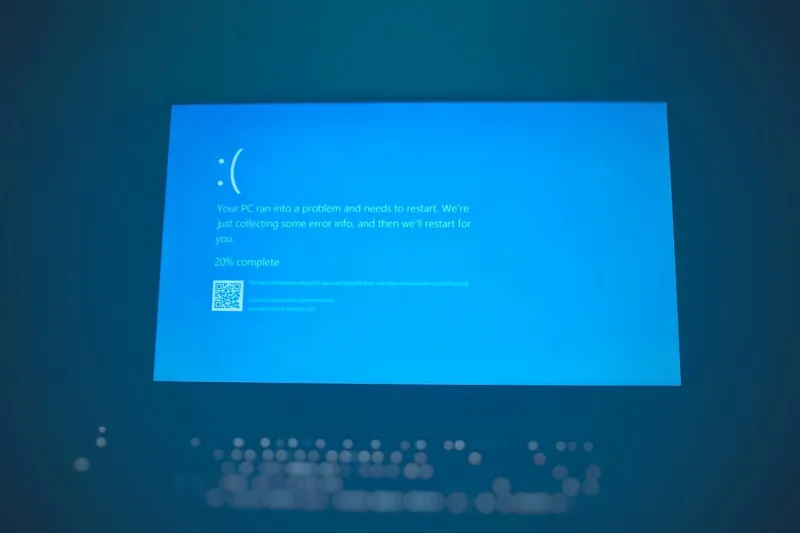
When my workstation flickered to that ominous cobalt hue last month, my first instinct was to panic—but my training as a power‑user quickly rewrote the script. The Blue Screen of Death (BSOD) has long been the tech world’s equivalent of a siren, warning us that something critical has gone awry. In 2026, it’s no longer just a nuisance; it’s a data‑rich diagnostic portal that, if approached correctly, can shave hours off troubleshooting and even guide strategic upgrades. I’ll walk you through how I transformed that moment of dread into a structured recovery plan, leveraging everything from built‑in Windows utilities to AI‑driven analytics. By the end of this post, you’ll see the BSOD not as a dead‑end but as a launchpad for deeper system insight, smarter hardware decisions, and a more resilient computing environment.
Understanding the Root Causes Behind Modern Blue Screens
Today’s BSODs are rarely caused by a single, mystical fault; they’re the cumulative result of driver mismatches, aggressive Windows updates, and hardware stress that has been building up over months. In 2026, Microsoft’s push for AI‑enhanced background services means more processes compete for CPU cycles, and any lingering firmware bug can trigger a crash. Common culprits include outdated graphics drivers that can’t handle the latest DirectX features, third‑party security suites that interfere with kernel‑level operations, and faulty RAM modules that corrupt critical memory pages. Even a seemingly innocuous BIOS tweak can tip the balance, especially when paired with high‑performance workloads like real‑time video rendering or AI model inference. Recognizing these patterns early allows you to prioritize checks—starting with driver health, then moving to recent OS patches, and finally probing hardware integrity—before the next blue flash blinds you.
Immediate Action Steps the Moment the Screen Goes Blue
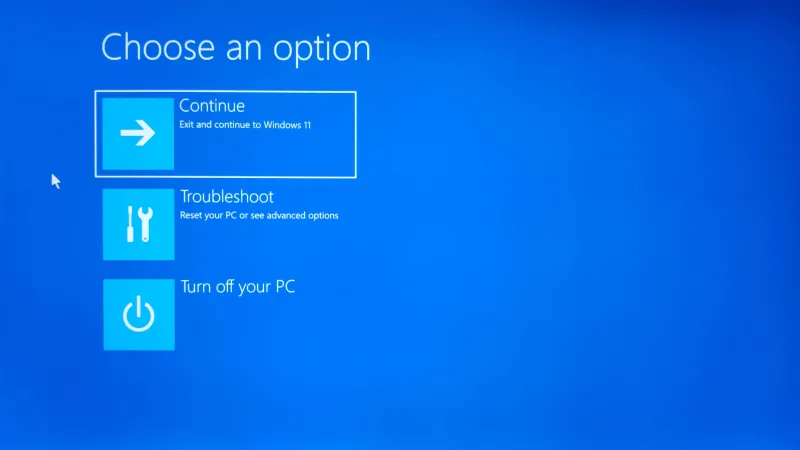
The first few seconds after a BSOD appear are crucial. My go‑to routine begins by noting the error code and any accompanying message—something like STOP: 0x0000007E or “CRITICAL_PROCESS_DIED.” I keep a simple notepad app pinned on my secondary monitor to jot down the alphanumeric string before the system restarts. Next, I force a hard reboot only if the machine doesn’t automatically cycle back into Windows. Once back up, I immediately boot into Safe Mode with Networking to prevent any potentially unstable drivers from loading. From there, I open the Event Viewer to locate the “BugCheck” entry, which often contains the same error code plus a stack trace. This snapshot becomes the foundation for deeper analysis, and it’s essential to capture it before Windows overwrites the logs during its automatic recovery attempts.
Leveraging Built‑In Windows Tools for Precise Diagnosis
Windows 11 now ships with an improved Windows Debugger (WinDbg) that can decode the minidump files generated during a crash. I load the most recent .dmp file located in C:\Windows\Minidump, then run the !analyze -v command to surface the offending driver or module. The output often points to a specific file version, which I then cross‑reference with the manufacturer’s release notes. For a more guided experience, I recommend reading Mastering Blue Screens, a playbook that breaks down each WinDbg output line into actionable steps. Additionally, the Event Viewer’s “System” log can reveal patterns—like recurring driver failures—that hint at a deeper compatibility issue. By combining these native utilities with a systematic note‑taking process, you turn a chaotic crash into a structured data set ready for resolution.
When Memory Is the Hidden Villain: RAM Diagnostics Made Simple
Faulty RAM is a silent killer; it can corrupt the very code that Windows relies on to stay stable, resulting in cryptic BSODs that seem unrelated to any hardware change. I always run the Windows Memory Diagnostic tool after a crash, but for power users seeking granular detail, the open‑source MemTest86 offers a more exhaustive sweep. The tool runs a series of patterns that stress different memory cells, logging any errors to a CSV file for later review. If you spot consistent failures on specific addresses, it’s time to reseat the modules or replace them entirely. For a deeper dive, check out Diagnosing and Fixing RAM Issues, which walks you through interpreting error codes, updating BIOS memory settings, and even leveraging ECC RAM in high‑end workstations. Remember, a stable memory foundation dramatically reduces the frequency of obscure blue screens.
AI‑Driven Crash Analysis: Turning Data Into Insight
In 2026, AI isn’t just for image generation; it’s now embedded in diagnostic workflows. Tools like Microsoft’s Azure Diagnostics AI can ingest your minidump files and correlate them with a global database of crash reports, surfacing patterns that a human eye might miss. I upload the latest dump to the Azure portal, let the AI parse the stack trace, and receive a ranked list of probable culprits—often highlighting obscure third‑party drivers that have recently been flagged in the community. This approach dramatically speeds up root‑cause identification, especially in complex environments where dozens of services run simultaneously. To explore the broader landscape of AI‑enhanced troubleshooting, see AI Computing Mastery for Power Users, which covers everything from model selection to integrating AI alerts into your monitoring stack.
Strategic Hardware Upgrades to Eliminate Recurring Crashes
After pinpointing the offender—be it a legacy GPU driver or a memory bottleneck—the next logical step is to decide whether a simple driver update will suffice or if a hardware upgrade is warranted. In 2026, the performance gap between DDR4 and DDR5 has widened, and many modern CPUs now demand the low‑latency benefits of DDR5 for optimal stability under AI workloads. I reference Future‑Proof PC Upgrades to map out a phased upgrade path: start with a BIOS update, then move to a high‑speed SSD, and finally, if crashes persist, invest in a new motherboard that fully supports the latest chipset features. This systematic approach not only resolves the immediate BSOD but also future‑proofs your rig against upcoming software demands, ensuring that your next crash—if it happens—will be easier to diagnose.
Preventive Maintenance: Keeping Your System Blue‑Screen Ready
Prevention beats reaction every time. I schedule weekly driver audits using the built‑in Windows Update catalog and supplement them with vendor‑specific tools like NVIDIA GeForce Experience or AMD Radeon Software to capture the latest optimizations. System restore points are created before any major OS update, giving me a safety net should a new patch introduce instability. Additionally, regular clean‑boot sessions help isolate background services that could trigger a crash. For a comprehensive view of maintaining a healthy OS environment, the article Operating Systems in 2026 offers a power‑user checklist that aligns with the latest Windows 11 security baselines. By treating each BSOD as a scheduled maintenance reminder, you keep your workstation humming and your mind at ease.
Embracing the Blue Screen as an Unexpected Ally
Ultimately, the blue screen is not an enemy but a diagnostic ally that forces you to look under the hood before problems snowball. By adopting a methodical approach—capturing error codes, leveraging WinDbg, running AI analyses, and planning strategic upgrades—you turn each crash into a learning opportunity. This mindset aligns perfectly with the philosophy presented in Why the Blue Screen Is Your Unexpected Ally, which encourages power users to view failures as feedback loops. So the next time your screen turns cobalt, remember: you have the tools, the knowledge, and the strategy to turn that momentary panic into a powerful stride toward a more resilient, high‑performance machine.