When I first got my hands on a gigabit router back in the early 2020s, I could barely imagine the bandwidth binge we’d be chasing in 2026. As a power‑user who lives at the intersection of gaming rigs, AI‑driven workstations, and home‑office hustle, I’ve learned that a solid networking foundation isn’t a luxury—it’s the backbone of every workflow. This year, the landscape has shifted dramatically: Wi‑Fi 7 is finally leaving the lab, mesh systems are no longer a “nice‑to‑have,” and the line between consumer and enterprise networking is blurring. In this deep dive, I’ll walk you through the trends that matter most to power‑users, share the pitfalls I’ve tripped over, and point you to resources that keep my setup humming at peak efficiency. Whether you’re building a future‑ready PC or fine‑tuning a home‑lab, the strategies below will help you stay ahead of latency, security, and reliability challenges that can cripple productivity.
Wi‑Fi 7 and the Mesh Revolution
The long‑awaited Wi‑Fi 7 (802.11be) finally hit mainstream routers this spring, promising up to 30 Gbps raw throughput, ultra‑low latency, and multi‑link operation that can aggregate bands for seamless performance. For power‑users, the real win is the ability to run multiple high‑bandwidth streams—think 8K video editing, AI model training, and a VR headset—without the dreaded “router choking” moment. Mesh networks have matured alongside Wi‑Fi 7, offering automatic band steering, AI‑based channel selection, and self‑optimizing backhaul links. I swapped my old single‑router setup for a tri‑node mesh, and the difference was night‑and‑day: my home office on the second floor now enjoys consistent network performance even when my kids are streaming 4K videos downstairs. If you’re still on a legacy 802.11ac system, you’re leaving terabytes of potential on the table. For a deeper look at future‑ready hardware, check out the Power‑User’s Blueprint for Building a Future‑Ready PC—it covers the exact Wi‑Fi 7 adapters and antennas that pair best with modern motherboards.
Ethernet’s Comeback: 2.5 GbE and 10 GbE for Power‑Users
While Wi‑Fi 7 dazzles, wired connections have quietly staged a comeback. The price of 2.5 GbE and even 10 GbE NICs has dropped below $30, and most new motherboards ship with at least one 2.5 GbE port. For tasks that demand rock‑solid latency—such as competitive gaming, real‑time video conferencing, or local AI inference clusters—copper still reigns supreme. I ran a dedicated 10 GbE line from my desktop to the NAS, and file transfers that used to take minutes now complete in seconds, freeing up time for creative work. The key is not just the NIC but the entire cabling ecosystem: Cat6a or Cat7 runs ensure the full speed envelope, and proper termination avoids crosstalk. Pairing these links with managed switches that support VLAN tagging and QoS gives you granular control over traffic flow, something a consumer router can’t match. If you’re wondering where to start, the Motherboard Mastery guide breaks down which chipsets offer the best Ethernet options and how to configure them for optimal throughput.
SD‑WAN, Edge Computing, and the New Distributed Model
Software‑defined WAN (SD‑WAN) has moved from enterprise‑only to the power‑user’s toolkit, thanks to affordable appliances and cloud‑based orchestration platforms. By abstracting the network layer, SD‑WAN lets you blend broadband, 5G, and dedicated fiber into a single, policy‑driven fabric. This is a game‑changer for remote developers who need secure, low‑latency access to on‑premise GPU clusters while still leveraging home internet for everyday tasks. Edge computing nodes—tiny servers placed at the network edge—bring processing closer to the data source, slashing round‑trip times for AI inference and real‑time analytics. I’ve deployed a compact NUC‑based edge node in my garage, running containerized services that offload heavy video transcoding from my laptop. The result? My laptop stays responsive, and the edge node handles the grunt work. Integrating SD‑WAN with edge devices also tightens security; you can enforce encryption and zero‑trust policies at the branch level without sacrificing speed. For those needing a security primer, the Mastering Modern Encryption article walks you through the latest cipher suites and key‑management practices that complement SD‑WAN deployments.
AI‑Driven Network Monitoring and Predictive Analytics
Monitoring used to be a manual slog: you’d glance at a dashboard, scroll through logs, and hope nothing critical slipped through the cracks. In 2026, AI has turned that on its head. Modern network analytics platforms ingest telemetry from routers, switches, and even IoT devices, then apply machine learning models to predict congestion, identify anomalous traffic, and suggest corrective actions before a user even notices a slowdown. I’ve integrated an AI‑enhanced monitoring suite that correlates Wi‑Fi channel interference with device movement patterns, automatically adjusting the mesh’s channel map during peak usage. The system also flags potential hardware failures—like a degrading Ethernet cable—by detecting subtle packet loss trends. This proactive stance not only protects your workflow but also extends the lifespan of expensive gear. If you’re building a workstation that relies on AI workloads, the Unlocking AI Power guide provides a roadmap for selecting network components that synergize with AI‑centric monitoring tools.
IPv6 Adoption: Why It’s Not Just a Buzzword
Despite being standardized over a decade ago, IPv6 adoption has finally accelerated, driven by the exhaustion of IPv4 address space and the rise of IoT devices that demand unique addresses. For power‑users, embracing IPv6 eliminates the NAT‑hairpinning headaches that plague home networks when multiple devices need inbound connections—think remote desktop, game servers, or self‑hosted development environments. IPv6’s larger address pool also simplifies network segmentation: you can assign /64 prefixes to each VLAN without worrying about overlapping subnets. In my setup, each mesh node runs a dual‑stack configuration, allowing legacy devices to stay on IPv4 while newer hardware enjoys the benefits of IPv6’s auto‑configuration and built‑in security extensions (IPsec). Transitioning does require some firmware updates and a router that supports DHCPv6 Prefix Delegation, but the payoff is smoother remote access and future‑proofing as more services go IPv6‑only. The Operating Systems in 2026 article details how the latest OS releases handle IPv6 stacks and what tweaks you can make for optimal performance.
Cable Management, Power Delivery, and PoE Innovations
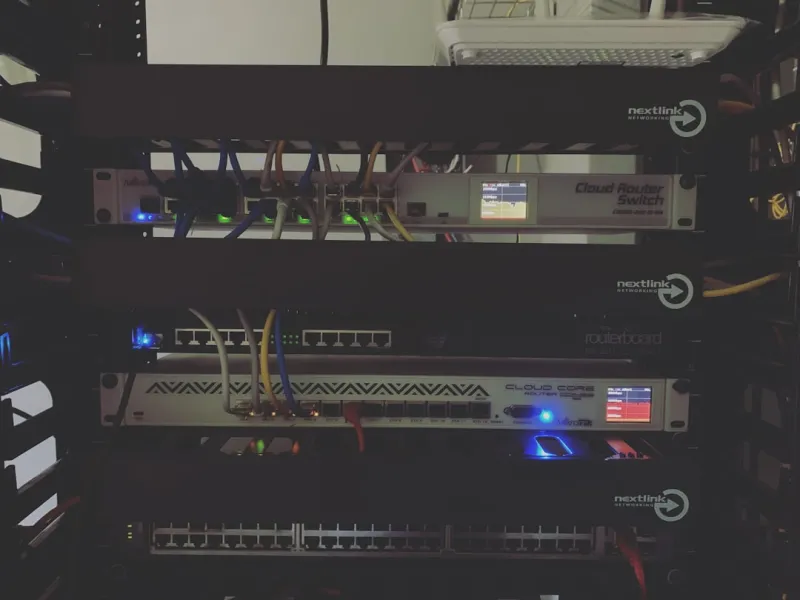
Even the most cutting‑edge wireless standards can’t fully replace the need for clean, well‑organized cabling—especially when you factor in Power over Ethernet (PoE) devices like IP cameras, access points, and even Wi‑Fi 7 mesh nodes that draw power directly from the switch. In 2026, PoE 4.0 can deliver up to 90 W per port, making it feasible to run high‑performance edge compute boxes without a separate power brick. I re‑routed all my Ethernet runs through a dedicated 48‑V power distribution panel, bundling them with Velcro straps and color‑coded zip ties for easy troubleshooting. Proper cable management not only reduces electromagnetic interference but also improves airflow, which is crucial for maintaining low temperatures on network switches that operate 24/7. If you’re building a rack‑mount setup, consider modular cable trays and pre‑terminated patch cords to cut down on human error. For an in‑depth look at how to choose the right motherboard and power delivery components to support these needs, revisit the Motherboard Mastery piece.
Future‑Proofing Your Network: A Power‑User Checklist
Wrapping up, let’s cement the takeaways into a practical checklist you can run through before the next upgrade cycle. First, confirm your router supports Wi‑Fi 7 and has AI‑driven mesh capabilities; if not, plan a phased migration. Second, audit every critical device for wired connectivity—upgrade to 2.5 GbE or 10 GbE where latency matters. Third, enable SD‑WAN or a similar policy‑based routing solution to blend broadband and dedicated links, and pair it with edge compute nodes for latency‑sensitive workloads. Fourth, deploy an AI‑enabled monitoring suite that alerts you to congestion before it impacts productivity. Fifth, enable IPv6 across all devices and configure proper DHCPv6 delegation to simplify remote access. Sixth, organize your cabling, adopt PoE 4.0 where possible, and ensure power delivery aligns with your network’s power budget. Finally, stay informed by revisiting the power‑user playbooks that guide hardware, security, and software decisions throughout the year. By treating your network as a living, evolving system, you’ll keep every corner of your digital life—gaming, creation, collaboration—running at warp speed.