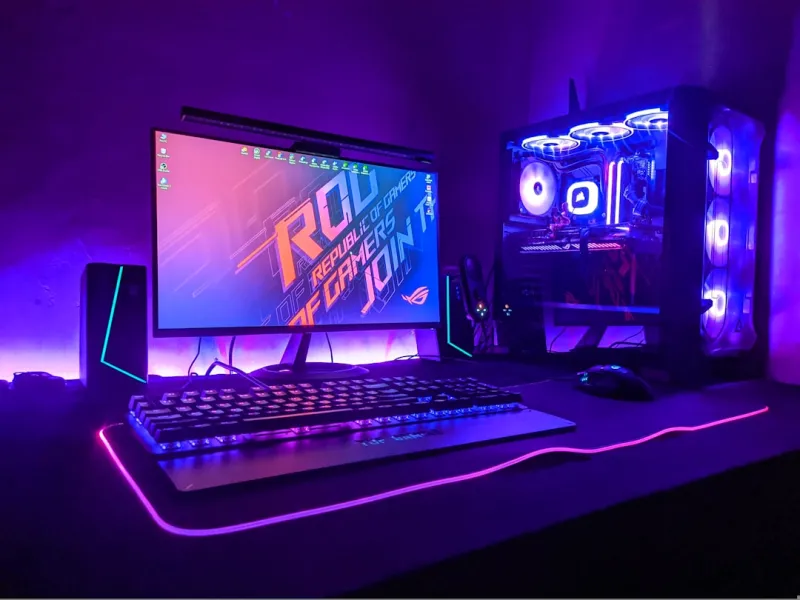
When I first built my rig back in the early 2020s, I could never have imagined how quickly the upgrade landscape would evolve. Fast forward to 2026, and the PC upgrade cycle feels less like a chore and more like a strategic chess game. Every component now talks to the others with a level of integration that would have seemed sci‑fi a decade ago. From AI‑driven power management on the motherboard to GPUs that double as dedicated inference engines, the decisions you make today shape the performance, efficiency, and longevity of your machine for years to come. In this post, I’ll walk you through the most compelling upgrade paths that power users are racing toward, why they matter, and how to avoid the common pitfalls that can turn a promising build into a frustrating bottleneck.
The CPU arena in 2026 is dominated by hybrid architectures that blend high‑performance cores with power‑efficient ones, giving you the best of both worlds for gaming, content creation, and AI workloads. AMD’s latest “Zen 4+” line pushes clock speeds past 5 GHz while keeping thermal design power (TDP) under control, thanks to a 5 nm process and advanced silicon‑level power gating. Intel, on the other hand, has refined its “Meteor Lake” series with integrated Xe graphics that can offload certain video encode tasks, freeing up the CPU for heavier compute. When deciding whether to upgrade, ask yourself: will the new instruction sets (like AVX‑512 V2) actually benefit the software you run daily? If you’re a video editor or a machine‑learning hobbyist, the answer is a resounding yes. For most gamers, the marginal gain may not justify a full platform swap unless you’re also eyeing a newer chipset with PCIe 5.0 × 16 lanes for next‑gen GPUs.
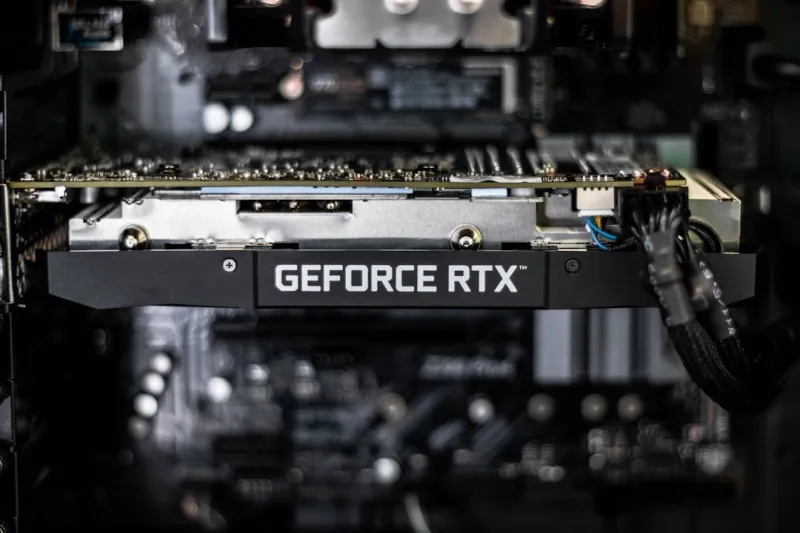
Speaking of GPUs, 2026 is the year they finally become true AI co‑processors. Nvidia’s “Ada Lovelace Pro” and AMD’s “RDNA 4 Extreme” cards not only push ray‑traced frame rates higher but also feature dedicated tensor cores that accelerate inference for tools like Stable Diffusion or real‑time voice cloning. However, with great power comes great responsibility—especially when it comes to stability. A misbehaving video card can bring an entire build to a halt, which is why I always recommend reading How to Diagnose and Fix Video Card Issues Before They Crash Your Build before you make a purchase. Proper BIOS settings, adequate power delivery, and a clean driver stack are essential to avoid those dreaded “white screen of death.” If you’re still on a mid‑range card, consider a modest overclock paired with a high‑quality aftermarket cooler; the performance uplift can be surprising without breaking the bank.
Memory and storage have become the silent heroes of any modern workstation. DDR5 has finally hit mainstream pricing, and DDR6 is creeping onto enthusiast motherboards, offering bandwidths that exceed 70 GB/s—critical for large dataset manipulation and high‑resolution texture streaming. Yet, don’t overlook capacity; 32 GB is now the baseline for power users, while 64 GB kits are becoming more affordable. On the storage front, NVMe 2.0 SSDs leverage PCIe 5.0 to deliver sequential reads north of 14 GB/s, but they also come with a higher price per gigabyte. That’s where traditional hard drives still shine. Despite the SSD hype, Why Hard Drives Remain the Backbone of Modern Power‑User Systems explains how a 4 TB 7200 RPM drive can serve as an archival tier, offering massive capacity at a fraction of the cost, perfect for raw footage, game libraries, or large code repositories.
The motherboard you choose today will dictate how smoothly you can adopt future upgrades. I’ve seen countless builds choke on outdated VRM designs when a new GPU demands more power than the board can supply. That’s why I always point readers to Choosing a Motherboard That Grows With You. Look for boards that feature robust 12‑phase power stages, PCIe 5.0 slots, and ample M.2 lanes with heatsinks. Also, consider the I/O ecosystem: USB 4, Thunderbolt 4, and Wi‑Fi 7 are becoming standard, and they’ll keep your rig compatible with the next wave of peripherals. A well‑chosen motherboard not only future‑proofs your system but also simplifies cable management and thermal planning, two factors that become increasingly important as you add more high‑performance components.
Power delivery and cooling are often the unsung protagonists in an upgrade story. A 1000 W 80+ Gold PSU might sound excessive, but with dual‑GPU setups, multiple SSDs, and high‑end CPUs, you’ll quickly hit the power ceiling of a 750 W unit. Look for units with modular cabling and a high transient response to handle sudden spikes during overclocking. On the cooling side, liquid cooling has moved beyond custom loops for the ultra‑enthusiast; all‑in‑one (AIO) coolers now offer radiators up to 420 mm with low‑profile fans that maintain quiet operation. Pairing a strong VRM with a capable cooler ensures your CPU stays in the 70‑80 °C sweet spot, extending lifespan and preventing thermal throttling during prolonged workloads.
Case selection might seem purely aesthetic, but ergonomics and airflow play a pivotal role in system stability. Modern cases now incorporate adaptive fan curves driven by onboard microcontrollers that adjust RPM based on temperature zones. Look for a chassis with a removable top panel, ample dust filters, and cable‑management features like Velcro straps and hidden routing channels. Modular drive bays let you swap out HDDs and SSDs without opening the entire case—a boon for frequent storage upgrades. Additionally, consider the acoustic profile; a well‑damped case can reduce fan noise by up to 10 dB, making long coding sessions or streaming marathons far more pleasant.
Upgrading hardware is only half the battle; the software layer must be tuned to extract every ounce of performance. Windows 12, released earlier this year, introduces a unified driver hub that reduces compatibility conflicts between graphics, networking, and storage stacks. For power users, mastering the OS settings—like enabling Core Isolation, configuring Power Plans for maximum performance, and leveraging the new DirectStorage API for faster game loading—can shave precious milliseconds off load times. I recommend diving into the Windows Power‑User Playbook: Mastering the Modern OS in 2026 to get a systematic approach to OS optimization, ensuring your freshly upgraded hardware isn’t held back by outdated software configurations.
In the end, a successful upgrade strategy blends foresight with practicality. Prioritize components that give you the biggest performance delta for your primary use‑cases, whether that’s GPU horsepower for 4K gaming, CPU cores for video rendering, or storage speed for rapid data crunching. Keep an eye on emerging standards—PCIe 5.0, DDR6, and Wi‑Fi 7 will become mainstream in the next 12‑18 months, and building with those in mind will save you from costly mid‑cycle overhauls. Remember, each upgrade is an investment not just in raw specs but in a smoother, more future‑proof workflow. So grab that new motherboard, install that blazing‑fast SSD, and let your rig evolve into the powerhouse you’ve always envisioned.