When I first booted up a Windows machine back in the early 2000s, I never imagined the platform would become the playground for a new breed of power‑users in 2026. Over the past two decades, Microsoft has taken feedback from enthusiasts, developers, and IT pros and turned it into a relentless cycle of feature‑rich releases. Today, the Windows ecosystem feels like a living, breathing organism that adapts to the demands of creators, gamers, and engineers alike. As someone who’s been tweaking, automating, and scripting my way through every major update, I can say with confidence that the current generation of Windows offers a depth of customization that rivals any open‑source alternative. But depth without direction can be overwhelming, so I’m breaking down the most compelling trends, performance hacks, and future‑proofing strategies that any serious Windows power‑user should have on their radar right now.
The cornerstone of this evolution is the arrival of Windows 12, a release that finally embraces the hybrid work‑life model we all live in. Microsoft has re‑engineered the core to be lighter on resources while layering in AI‑assisted tools that anticipate user intent. What used to be a series of manual steps—like configuring a virtual desktop or setting up a new peripheral—now happens almost automatically thanks to contextual learning. This shift is not just about convenience; it’s a strategic response to the growing demand for fluid, cross‑device experiences. If you’re curious about how to unlock the full potential of this OS, the guide Unlocking Windows 12: Power‑User Strategies for Mastering the Modern OS walks you through the hidden settings and advanced workflows that most users never see.
Beyond the glossy UI, Windows 12 introduces a suite of power‑user features that feel like a secret arsenal. The revamped Snap Layouts 3.0 now supports up to eight simultaneous panes, each with its own DPI scaling and custom keyboard shortcuts. The new Windows Terminal 2.0 brings native GPU rendering, allowing you to run multiple shells side‑by‑side without sacrificing performance—a boon for developers who toggle between PowerShell, WSL, and Azure CLI. Meanwhile, the integrated AI assistant, dubbed “Cortana Next,” goes beyond voice commands; it can suggest registry tweaks, recommend driver updates, and even predict when a background process might throttle your gaming frame rate. These capabilities transform the OS from a static platform into an adaptive co‑pilot, giving you the confidence to push the hardware limits while staying in control.
Performance tuning in 2026 has become an art form, and the best practitioners treat the registry like a finely tuned instrument. One of my favorite tweaks is enabling the “Fast Startup” hybrid mode, which caches a hibernated kernel session for near‑instant boots. Pair that with a custom Power Plan that prioritizes “Processor performance core” over “Efficiency core” on high‑end CPUs, and you’ll shave seconds off every launch. For those who love granular control, the new “Startup Impact Analyzer” in Task Manager provides a color‑coded view of which services consume the most boot time, allowing you to disable or defer non‑essential tasks. If you want a comprehensive checklist of these adjustments, the article Operating System Strategies Every Power User Must Master covers each step with screenshots and command‑line snippets.
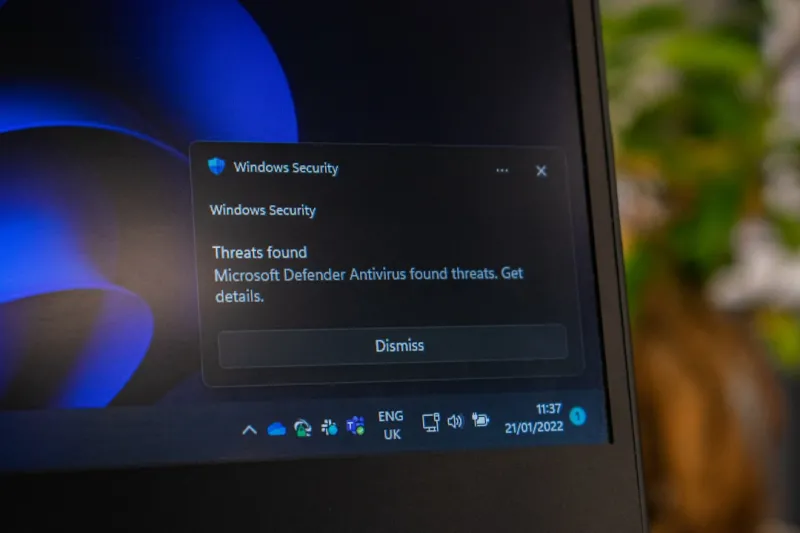
Security in the modern Windows world is no longer about installing a single antivirus suite; it’s about building a layered defense that adapts in real time. Windows 12’s built‑in “Smart Threat Protection” leverages cloud‑based AI to analyze file behavior before it ever touches your disk, dramatically reducing zero‑day exposure. Additionally, the new “Secure Kernel Isolation” feature runs critical system services in a hyper‑visor‑level sandbox, making it nearly impossible for malware to gain kernel privileges. For power‑users who manage multiple machines, the “Device Guard” policy can be exported as a JSON profile, ensuring consistent hardening across an entire fleet with a single click. While these tools are powerful, they require careful configuration—especially when you’re running legacy software that expects older security models.
Speaking of legacy, many power‑users still rely on high‑capacity hard drives for archival storage and large media libraries. Despite the rise of NVMe SSDs, mechanical drives remain the backbone of many workflows because of their cost‑per‑gigabyte advantage and proven reliability under continuous write cycles. If you haven’t already, consider setting up a tiered storage system: keep your OS and active projects on a fast NVMe, while offloading raw footage, backups, and rarely accessed data to a 10‑TB 7200 RPM drive. This approach not only optimizes performance but also extends the lifespan of your SSD by reducing write amplification. For a deeper dive into why hard drives still matter, the piece Why Hard Drives Remain the Backbone of Modern Power‑User Systems offers compelling data and real‑world use cases.
Future‑proofing your Windows workflow means embracing the cloud and AI tools that Microsoft has woven into the OS fabric. The latest Microsoft 365 suite now features AI‑driven co‑authoring that can suggest code snippets, generate slide designs, and even draft email replies based on your recent activity. This isn’t just a productivity boost; it’s a paradigm shift that redefines how we collaborate across teams and devices. By integrating these services directly into Windows Explorer and the new “Contextual Action Center,” you can trigger AI assistance with a single right‑click, turning mundane tasks into moments of creative flow. To understand how this integration reshapes daily work, read How AI and Collaboration Are Redefining Microsoft Office in 2026, which breaks down the most impactful features and how to enable them.
In the grand scheme, the Windows platform in 2026 is a convergence point for hardware innovation, AI advancement, and community‑driven customization. As a power‑user, your role is to stay ahead of the curve—testing new builds, contributing to forums, and sharing your own scripts and tweaks with the community. Remember, the most successful power‑users are those who treat the OS as a sandbox, constantly experimenting while keeping a solid backup strategy. Whether you’re fine‑tuning your gaming rig, streamlining a development environment, or building a secure home office, the tools are there; you just need to know where to look. Keep an eye on upcoming feature previews, join the Insider program, and never stop learning—that’s the secret sauce that turns a regular Windows PC into a high‑performance, future‑ready machine.