When I first cracked open a Windows machine back in the early 2000s, I could have never imagined the layered complexity we now navigate daily. Fast forward to 2026, and Microsoft’s operating system has morphed into a sophisticated ecosystem where every update, UI tweak, and hidden registry key can make or break a power‑user workflow. My experience as a longtime Windows enthusiast has taught me that success isn’t about chasing every flashy feature; it’s about mastering the fundamentals that keep the OS humming under heavy workloads. In this post I’ll walk you through the strategies I’ve honed over two decades—how to stay agile with Windows’ rapid release cadence, leverage native tools for automation, and protect your environment from the ever‑evolving threat landscape. Whether you’re a developer building cross‑platform apps, a gamer pushing the limits of your GPU, or an IT pro fine‑tuning a home lab, the principles below will help you extract maximum performance and stability from the platform you rely on.
Understanding the Core of Modern Windows
Windows 12, the latest iteration released earlier this year, builds on the foundation of its predecessor while introducing a tighter integration with cloud‑based services and AI‑driven optimizations. For power users, the most compelling change is the revamped Settings hub, which now surfaces granular controls for power plans, storage tiers, and virtualization resources—all without digging into the legacy Control Panel. However, the real power lies beneath the surface: the Windows Subsystem for Linux (WSL) has reached parity with native Linux distributions, letting you run bash scripts, Docker containers, and even full‑scale Kubernetes clusters without leaving the Windows shell. Pair this with the newly enhanced PowerShell 7.x, which now supports native cross‑platform modules, and you have a command‑line environment that rivals any Unix‑like system. Mastering these tools is essential because they form the backbone of automation pipelines that keep your daily tasks streamlined and reproducible.
Automation and the Power‑User Toolbox
Automation is the lingua franca of efficiency, and Windows offers a surprisingly rich toolbox for those willing to explore beyond the click‑and‑drag paradigm. PowerShell scripts can be scheduled via the Task Scheduler to perform routine clean‑ups, system health checks, or even trigger complex deployment workflows when new builds are dropped into a shared repository. For me, the secret sauce is combining PowerShell with Windows Terminal’s profile management, allowing each project to spin up a dedicated environment with pre‑loaded modules and environment variables. If you’re comfortable with a bit of code, the Windows Management Instrumentation (WMI) and the newer Windows System Assessment Tool (WinSAT) give you programmatic access to hardware metrics, enabling proactive monitoring of CPU throttling or memory leaks before they surface in a crash dump. The key is to treat automation as an iterative process—start with a simple script that logs disk usage, then layer in alerts via email or Teams when thresholds are crossed.
Security in a Hyper‑Connected Era
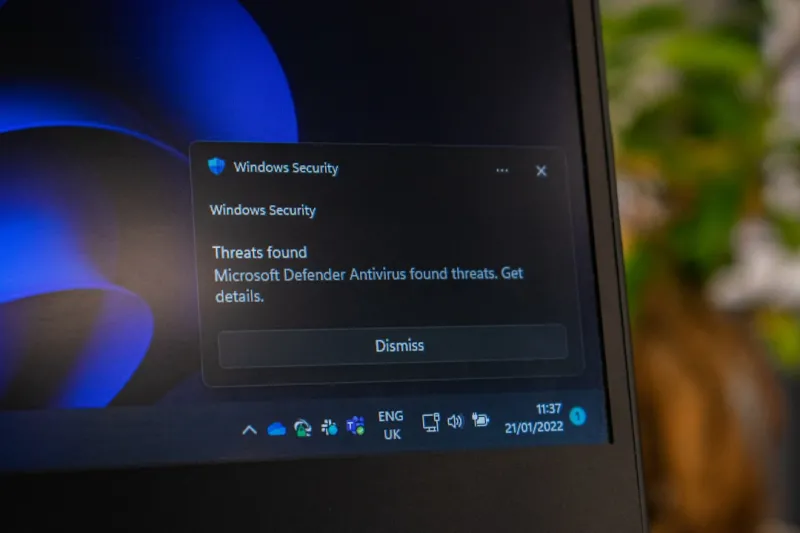
Modern malware has grown sophisticated, employing fileless techniques that bypass traditional signature‑based AV solutions. That’s why I lean heavily on behavior‑based defenses and strict application control policies. Windows Defender Advanced Threat Protection (ATP) now integrates seamlessly with Microsoft Sentinel, feeding telemetry into a cloud‑native SIEM that correlates anomalous activities across endpoints. For a deeper dive into defensive tactics, I recommend checking out Beyond Antivirus: Power‑User Strategies to Outsmart Modern Malware, which outlines how to leverage Controlled Folder Access, Exploit Guard, and App Locker to create a multi‑layered shield. Remember, the most effective security posture combines proactive patch management with the principle of least privilege—regularly audit your user accounts, enforce MFA, and isolate high‑risk applications in sandboxed containers whenever possible.
Staying Ahead of Critical Updates
The cadence of Windows updates in 2026 can feel relentless, but falling behind is a shortcut to instability. Microsoft now rolls out feature updates twice a year, each accompanied by a suite of cumulative patches that address everything from kernel regressions to driver compatibility quirks. My personal workflow involves a dedicated “test VM” that mirrors my primary workstation, where I apply the latest cumulative update a week before it hits production. This sandboxed approach lets me verify that critical tools—especially those relying on low‑level APIs like DirectX 12 or Hyper‑V—remain functional. For a broader perspective on why keeping up matters, see Why Staying Ahead of Critical 2026 Tech Updates Is a Power‑User’s Survival Guide. The article highlights real‑world case studies where delayed updates caused data loss, reinforcing the notion that a disciplined update schedule is non‑negotiable for any serious Windows power user.
Hardware Compatibility and Driver Hygiene
Even the most polished OS can be tripped up by outdated firmware or mismatched drivers. In the past year, I’ve seen a surge in GPU driver rollbacks after the release of the new RTX 5000 series, which initially introduced a memory‑leak bug that manifested as sporadic blue screens during intensive rendering sessions. The lesson? Never assume the latest driver is automatically the best choice for your workload. Use tools like Device Manager’s “Driver Details” view to compare version numbers against the vendor’s release notes, and keep a copy of a stable driver version on hand for quick reversion. For those who want a systematic approach, the guide How to Diagnose and Fix Video Card Issues Before They Crash Your Build walks you through stress‑testing utilities, event‑viewer analysis, and rollback procedures that can save hours of troubleshooting. Pair this with regular BIOS updates—especially on newer motherboards that support DDR5 and PCIe 5.0—to ensure you’re extracting every ounce of performance from your hardware stack.
Future‑Proofing Development on Windows
Software developers targeting Windows must reconcile the platform’s rapid evolution with the need for long‑term stability. One strategy I champion is “feature‑flag driven releases,” where new Windows‑specific APIs are toggled behind compile‑time switches, allowing you to ship a baseline version that runs on Windows 10, 11, and 12 without breaking legacy environments. Additionally, embracing containerization through Docker Desktop for Windows enables you to package dependencies in a reproducible image, insulating your app from host‑level changes. To explore a holistic methodology, see Future‑Proofing Your Software Development: Power‑User Strategies for 2026. The piece details how to align CI/CD pipelines with Microsoft’s Windows Insider Program, ensuring you’re testing against upcoming OS builds before they become mainstream, thereby reducing last‑minute surprises when a new feature lands in production.
Network Optimization for the Modern Power User
A robust home network is often the unsung hero behind a smooth Windows experience, especially when you’re juggling remote development, cloud sync, and high‑bandwidth gaming. In 2026, Wi‑Fi 7 routers have become more affordable, offering multi‑gigabit speeds and low latency through OFDMA and MU‑MIMO technologies. However, merely upgrading hardware isn’t enough; you need to segment traffic using VLANs or separate SSIDs to keep latency‑sensitive streams—like video conferencing or real‑time code compilation—away from background downloads. I recommend enabling QoS rules in your router’s admin portal to prioritize TCP ports used by Visual Studio and Azure DevOps. For a deeper dive into network redesign, the article Reinventing Your Home Network for Power Users in 2026 outlines how to leverage mesh nodes, IPv6 tunneling, and DNS over HTTPS to both boost performance and harden your network against common attacks.
Storage Strategies: HDDs, SSDs, and the Cloud
While NVMe SSDs dominate the primary drive market for speed, hard drives still play a critical role in a power‑user’s storage hierarchy. They provide cost‑effective, high‑capacity space for archival data, large video libraries, and backup images that don’t require the sub‑millisecond access times of an SSD. I maintain a hybrid setup: a 2 TB NVMe for OS and active projects, a 4 TB SATA SSD for frequently accessed media, and a 10 TB 7200 RPM HDD for long‑term backups. This tiered approach not only balances performance with cost but also extends the lifespan of your flash drives by offloading write‑heavy tasks to the HDD. For a compelling argument on why hard drives remain indispensable, read Why Hard Drives Remain the Backbone of Modern Power‑User Systems. Pair this with a regular backup regimen—using both Windows’ built‑in File History and a cloud sync service—to guard against ransomware and hardware failure.
Wrapping Up: The Power‑User Mindset in 2026
The Windows ecosystem in 2026 rewards those who blend curiosity with disciplined practice. By staying current with OS updates, mastering automation tools, and maintaining a vigilant security posture, you can turn the platform’s complexity into a competitive advantage. Remember that every new feature—whether it’s AI‑enhanced search in the Start menu or a refined virtual desktop manager—offers an opportunity to streamline your workflow, provided you invest the time to understand its nuances. Keep experimenting, document your findings, and share insights with the community; that collaborative spirit is what keeps the power‑user culture vibrant. As you apply the tactics outlined above, you’ll find your Windows machine not just surviving but thriving in the fast‑paced tech landscape of 2026.