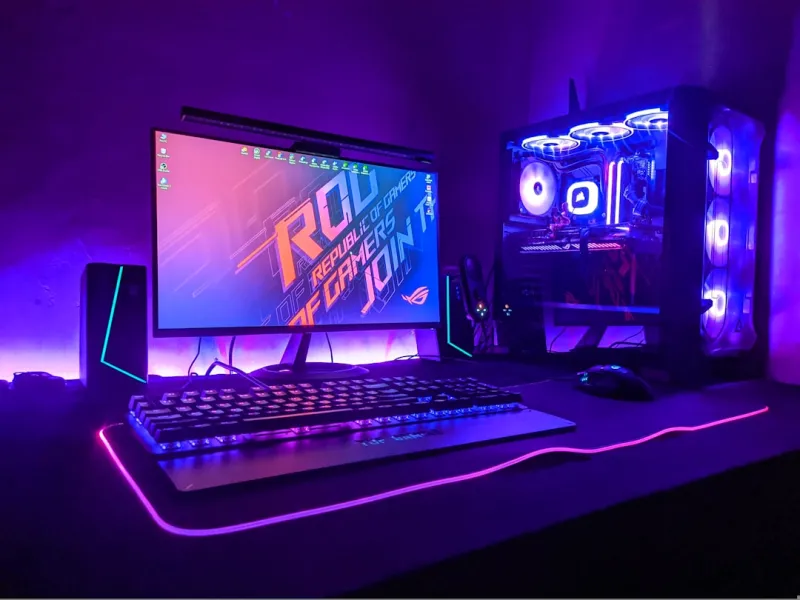
If you’ve been tinkering with your rig the way I have for the past decade, you know that the thrill of a fresh upgrade is almost as addictive as the first boot of a custom build. In 2026 the PC landscape is a whirlwind of AI‑accelerated GPUs, DDR6 memory, and storage solutions that can literally read and write terabytes in the blink of an eye. But the core principle hasn’t changed: a well‑planned upgrade can shave seconds off load times, boost frame rates, and keep your system humming smoothly for years. I’m Shawn, and today I’m walking you through my personal upgrade roadmap—one that blends the latest hardware trends with battle‑tested power‑user strategies. Think of this as a living checklist, not a static “buy‑this‑now” list. By the end, you’ll have a clear sense of which components truly move the needle for your workload, and how to prioritize upgrades without breaking the bank or ending up with a mismatched Frankenstein of parts.
Diagnose the Bottleneck Before You Buy
Before you start hunting for the flashiest GPU or the fastest CPU, you need to understand where your current system is choking. I start every upgrade cycle with a deep dive into performance metrics: CPU usage spikes during compilation, GPU bottlenecks in ray‑traced titles, RAM saturation when running multiple VMs, and storage queue depth during large file transfers. Tools like HWInfo and Windows Performance Monitor give you a granular view, but the real magic is correlating those numbers with real‑world tasks. For instance, if you’re seeing 95% CPU utilization while rendering in Blender, a new processor will deliver a more noticeable uplift than a GPU swap. Conversely, a gamer who’s maxed out at 144 fps in a 1080p title likely needs a faster graphics card and perhaps a higher refresh‑rate monitor. This diagnostic mindset aligns perfectly with the principles outlined in the Turbocharge Your PC in 2026 guide, ensuring every dollar you spend targets the real performance gap.
Choosing a Future‑Proof CPU
The CPU market in 2026 is a battleground of Intel’s 14th‑Gen “Meteor” chips and AMD’s Zen 5 “Aether” line, each promising higher core counts, better AI inference, and improved power efficiency. My upgrade philosophy is to aim for a processor that not only dominates today’s benchmarks but also leaves headroom for the AI‑centric workloads that are becoming mainstream. A 16‑core, 32‑thread variant with a base clock above 3.5 GHz offers a sweet spot for everything from video editing to large‑scale data crunching. Pair that with a motherboard that supports PCIe 5.0 and DDR6, and you’re set for the next few years of software evolution. When selecting the board, I always reference the Ultimate Motherboard Guide to ensure robust VRM design, ample M.2 slots, and future‑ready BIOS updates. Remember, the CPU and motherboard are the foundation; a mis‑matched combo can bottleneck even the most powerful silicon.
GPU Upgrades: From Gaming to AI Acceleration
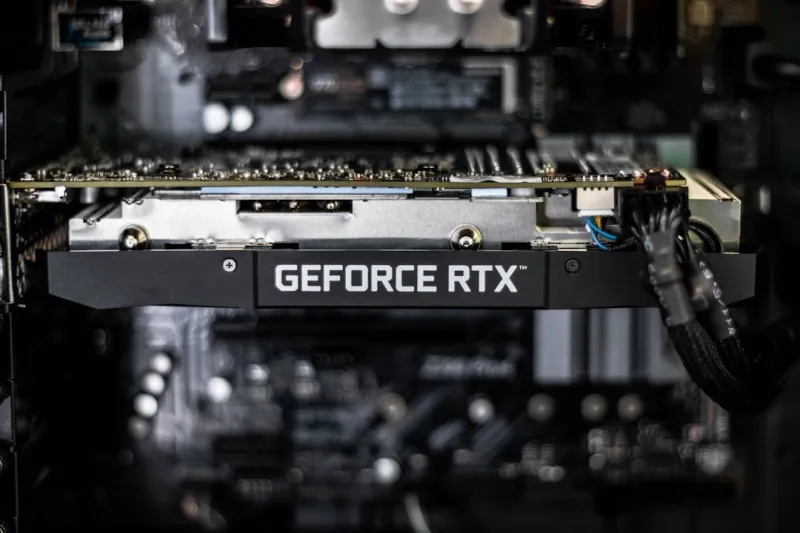
Graphics cards have become the Swiss army knives of modern PCs, handling everything from ultra‑high‑resolution gaming to tensor‑core AI workloads. The RTX 6000 Series, released earlier this year, brings a massive leap in ray‑tracing cores and dedicated AI acceleration blocks, making it a compelling upgrade for creators and gamers alike. If your primary goal is immersive 4K gaming, look for a card with at least 16 GB of GDDR6X memory and a boost clock north of 2.5 GHz. For AI enthusiasts, the tensor cores on the same card can slash inference times, turning a desktop into a mini‑cloud. Don’t forget the power budget: these GPUs can draw upwards of 350 W, so a reliable 850 W 80 Plus Platinum PSU is often non‑negotiable. Pairing the right GPU with a sturdy power supply and an airflow‑optimized case will keep temperatures in the sweet spot, ensuring stable performance during marathon sessions.
Memory and Storage: The Silent Speed Boosters
While CPUs and GPUs steal the spotlight, memory and storage are the unsung heroes that dictate system responsiveness. DDR6 is quickly becoming the new norm, offering up to 6400 MT/s bandwidth—significant over DDR5’s 5600 MT/s ceiling. For power users who juggle multiple virtual machines, 32 GB should be considered a baseline, with 64 GB as the sweet spot for heavy multitasking and AI model training. On the storage front, NVMe SSDs leveraging PCIe 5.0 can achieve sequential reads above 14 GB/s, virtually eliminating load‑time friction. I recently migrated my primary drive to a 4 TB PCIe 5.0 SSD, and the difference in application launch speed is palpable. To make informed decisions, I lean on the insights from Strategic Hard‑Drive Choices, which breaks down the performance‑to‑price ratios of the latest SSDs and helps avoid the trap of over‑paying for marginal gains.
Cooling Solutions: Keeping the Beast Tamed
As you stack more horsepower into your rig, thermal management becomes paramount. The shift toward higher core counts and AI‑focused GPUs means more heat generated per watt, and that’s where modern cooling solutions shine. All‑in‑one liquid coolers have evolved to include larger radiators (up to 360 mm) with dual‑fan configurations that push static pressure while maintaining low noise levels. For the truly adventurous, a custom loop with GPU‑specific blocks can drop GPU temps by 15‑20 °C under load, extending component lifespan and allowing for higher boost clocks. Case airflow design also matters; front‑intake mesh panels paired with top‑exhaust vents create a natural convection path that expels hot air efficiently. Don’t overlook dust filters—keeping the interior clean ensures that your cooling system remains effective over the long haul.
Power Supply and Efficiency: The Unsung Hero
A reliable power supply is the backbone of any high‑performance build, yet it often receives less attention than flashier components. In 2026, the market is saturated with 80 Plus Platinum and Titanium units that deliver up to 96% efficiency at typical loads. Opt for a modular design to reduce cable clutter, which improves airflow and makes future upgrades smoother. I personally recommend a 1000 W Platinum unit for rigs that combine a top‑tier CPU, a dual‑GPU setup, and multiple storage devices; this provides ample headroom for overclocking and future component additions. Additionally, look for units with a robust VRM protection suite—over‑voltage, over‑current, and short‑circuit safeguards protect both your investment and your peace of mind. Investing in a high‑quality PSU may seem like a small detail, but it’s the silent guardian that ensures every other upgrade performs at its peak.
Software Tweaks: Unlocking the Full Potential of Windows 12
Hardware upgrades only tell half the story; the operating system must be equally optimized to reap the full benefits. Windows 12, released earlier this year, introduces a suite of power‑user features like Dynamic Memory Allocation and AI‑enhanced scheduling, which can dramatically improve both gaming latency and productivity workflows. By following the steps outlined in the Windows 12 performance guide, you can enable hardware‑accelerated GPU scheduling, fine‑tune power plans for maximum performance, and leverage the new DirectStorage API to cut game load times dramatically. Don’t forget to keep your chipset drivers up to date and to enable the latest BIOS tweaks—things like memory over‑clock profiles and PCIe lane configuration can unlock hidden performance reserves that manufacturers often leave disabled by default.
Future‑Proofing Checklist and the Road Ahead
When you’ve finished the upgrade cycle, it’s time to take a step back and assess whether your system is truly future‑ready. I like to run through a quick checklist: Is the CPU on a platform that supports at least two generations of upgrades? Does the motherboard offer enough M.2 slots and PCIe 5.0 lanes for upcoming GPU releases? Have you allocated sufficient power headroom for potential dual‑GPU or high‑end AI accelerator additions? Is the cooling solution scalable—can you add extra fans or a larger radiator without a full case swap? Finally, does your software environment—especially Windows 12—have the latest patches and driver updates? If you can answer “yes” to most of these, you’ve built a platform that will stay relevant well into the next wave of tech breakthroughs. For those looking to go even further, consider exploring the concepts in Future‑Ready AI Computing Rig, where modularity and AI‑centric design take center stage. Armed with these insights, you’re ready to power‑up confidently, knowing every component works in harmony to deliver the performance you deserve.