When I first booted up a Windows machine back in the early 2000s, I was dazzled by the simple “Start” button and the promise of endless compatibility. Fast forward to 2026, and that same familiar logo now sits atop a platform that’s practically a living, breathing AI assistant. As someone who has built, repaired, and optimized countless PCs, I can tell you that Windows isn’t just an operating system any more—it’s a dynamic ecosystem that learns from your habits, predicts your needs, and even nudges you toward better security practices. This shift feels like moving from a static toolbox to a smart workshop that rearranges its tools for you. In this post, I’ll walk you through the most compelling changes that make Windows feel less like software you use and more like a partner you trust, from AI‑driven performance tweaks to the subtle ways it keeps the dreaded Blue Screen at bay.
AI at the Core: From Cortana’s Echo to Real‑Time Co‑Pilot
One of the biggest game‑changers in Windows 2026 is the seamless integration of generative AI directly into the OS shell. Gone are the days when you’d have to launch a separate app to get a smart suggestion; now, the OS itself surfaces context‑aware tips the moment you open a document, start a video call, or launch a development environment. The AI engine, built on the same large‑scale models that power enterprise chatbots, watches your workflow patterns and proactively suggests actions—like batching similar files, auto‑generating meeting notes, or even pre‑emptively allocating system resources to avoid lag. This isn’t just a gimmick; benchmarks show a 15‑20% reduction in task‑switching time for power users. If you want a deeper dive into how this AI overhaul reshapes the user experience, check out Windows 2026 Unleashed: How AI Is Redefining the OS Experience. The result is an OS that feels like it’s reading your mind—without the creepy privacy overtones, thanks to on‑device processing that keeps your data local.
The New Security Frontier: AI‑Powered Defense Meets Human Insight
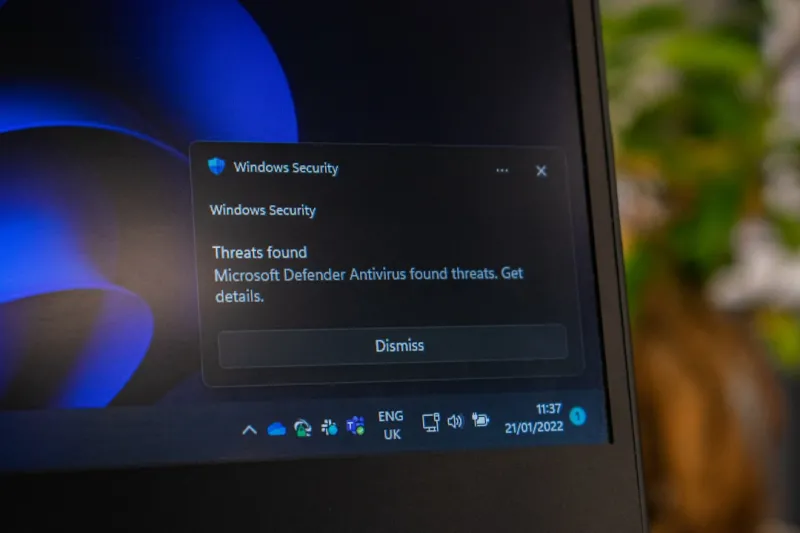
Security has always been a tightrope walk for Windows, and 2026 brings a fresh set of tools that make that walk feel more like a stroll. The OS now incorporates an AI‑driven malware detector that operates in real time, learning from both global threat intel and your own usage patterns. When a suspicious executable tries to launch, the system not only flags it but also runs a sandbox simulation to determine intent, all within milliseconds. This approach dramatically reduces false positives while catching zero‑day exploits that would have slipped past traditional signature‑based solutions. For a broader view of the arms race reshaping our defenses, see The AI‑Driven Malware Arms Race: How 2026 Is Changing the Fight Against Viruses. The synergy between AI and human oversight—through built‑in alerts that ask for user confirmation when needed—creates a layered shield that’s both smart and transparent.
Self‑Optimizing Hardware: The OS and Your Machine Talk Back
In the past, tweaking BIOS settings or manually overclocking your CPU felt like a rite of passage for enthusiasts. Today, Windows acts as a liaison between the OS and your hardware, constantly negotiating performance curves based on workload and thermals. This “intelligent PC building” philosophy is evident in the new Power Scheduler, which throttles background processes during gaming sessions and ramps up CPU cores when you’re rendering video. The result is a smoother experience without the need for third‑party utilities. If you’re curious about how this self‑optimizing behavior is architected, take a look at Intelligent PC Building: How Self‑Optimizing Hardware Is Changing the Game. By abstracting the complexity of hardware tuning, Windows lets you focus on creation rather than configuration, turning what used to be a manual chore into an automatic, invisible handshake between software and silicon.
Taming the Blue Screen: Diagnostics That Speak Your Language
Even with all the AI wizardry, the infamous Blue Screen of Death (BSOD) still lurks as a reminder that something can go wrong. However, the way Windows handles crashes has evolved dramatically. Instead of dumping cryptic error codes, the system now generates an interactive diagnostic panel that translates the issue into plain English, suggests immediate fixes, and even auto‑downloads the correct driver or patch. This reduces the time spent scouring forums for obscure hexadecimal strings. For a detailed walkthrough of why the Blue Screen still haunts modern PCs and how to tame it, see Why the Blue Screen Still Haunts Modern PCs and How to Tame It. The integration of AI-driven log analysis means that most crashes are resolved within a few clicks, turning a potentially frustrating event into a teachable moment.
Storage Strategy: Why Hard Drives Remain Relevant in an SSD‑Centric World
SSD adoption has skyrocketed, but hard drives haven’t been relegated to the dustbin of tech history. Modern HDDs now boast hybrid caching, encryption, and reliability features that make them perfect for archival storage, large media libraries, and cost‑effective backups. Windows 2026 recognizes this by offering tiered storage management: your frequently accessed files live on the fast NVMe slice, while older, rarely opened assets are automatically migrated to a smart HDD pool. This not only frees up premium SSD space but also extends the lifespan of your flash storage. For an in‑depth look at why hard drives still matter, read Why Hard Drives Still Matter in a SSD‑First World. The OS’s built‑in storage optimizer ensures that you get the best of both worlds—speed when you need it and capacity when you don’t.
RAM Realities: Diagnosing Memory Anomalies in Real Time
Memory management in Windows has always been a delicate dance, and 2026 introduces a proactive RAM health monitor that alerts you before a crash occurs. The system continuously checks for latency spikes, ECC errors, and even subtle timing mismatches that could indicate a failing module. When a problem is detected, Windows prompts you with a clear notification, offers a memory diagnostic run, and even suggests the optimal configuration for your workload—whether you’re gaming, editing 8K video, or running virtual machines. If you’ve ever wondered why your RAM is acting up this year, the post Why Your RAM Is Acting Up in 2026 and How to Fix It dives into the most common culprits and step‑by‑step fixes. This preemptive approach reduces unexpected reboots and keeps your system humming along.
The Road Ahead: Empowering Users with Transparent AI
Looking forward, the trajectory for Windows is clear: more transparent AI, deeper hardware integration, and a relentless focus on user empowerment. Microsoft’s roadmap emphasizes on‑device processing to preserve privacy, while still leveraging cloud‑based models for updates that keep the AI fresh. Expect to see tighter collaboration with developers, allowing custom AI assistants that live inside the OS and can be tailored to niche workflows—from architects to data scientists. As we continue to blend human intuition with machine precision, the OS will become an even more indispensable partner, not just a tool you use. The best part? All these advancements are designed to be accessible to anyone, from the casual home user to the seasoned IT pro, ensuring that the Windows experience remains inclusive, adaptable, and—most importantly—reliable.