Why Now Is the Perfect Time to Upgrade Your PC
When I first started tinkering with desktops a decade ago, the upgrade cycle felt like a relentless sprint—new chips every few months, memory standards shifting like sand, and storage tech that seemed to leap ahead overnight. Fast‑forward to 2026, and the rhythm has settled into a more strategic cadence. Manufacturers are aligning product launches with real‑world workloads: AI‑enhanced content creation, 8K gaming, and cloud‑proxied rendering demand balanced performance and efficiency. This convergence means you can finally justify a larger investment without the fear of immediate obsolescence. Moreover, the price‑performance sweet spot for high‑end components has widened, giving hobbyists and professionals alike the confidence to target a build that will stay relevant for the next five‑plus years. In this post I’ll walk you through the upgrade decisions that matter most—CPU, GPU, RAM, storage, motherboard, and power—while sprinkling in some hard‑won lessons from the trenches. By the end you’ll have a clear roadmap that aligns your budget, your use‑case, and the evolving tech landscape.
Selecting a CPU That Balances Power and Efficiency
The central processing unit remains the brain of any serious machine, and in 2026 the market offers a compelling dichotomy between ultra‑high‑core counts for workstation tasks and streamlined, high‑frequency designs for gamers. My own upgrade journey started with a deep dive into the latest generation of silicon, where I discovered that the “more cores is always better” mantra is now tempered by software scaling limits. If your workflow leans heavily on multi‑threaded rendering or AI model training, a 24‑core beast can shave hours off processing time. Conversely, for a blend of competitive gaming and everyday productivity, a 12‑core, 5 GHz processor often delivers snappier frame rates and lower power draw. Pay close attention to the chipset’s support for PCIe 5.0 and DDR5, as these will dictate the ceiling for your GPU and memory upgrades. Also, consider the thermals: newer CPUs pack more performance per watt, but they still demand robust cooling solutions to stay within safe operating margins.
GPU Upgrades: Harnessing the Next Wave of Visual Power
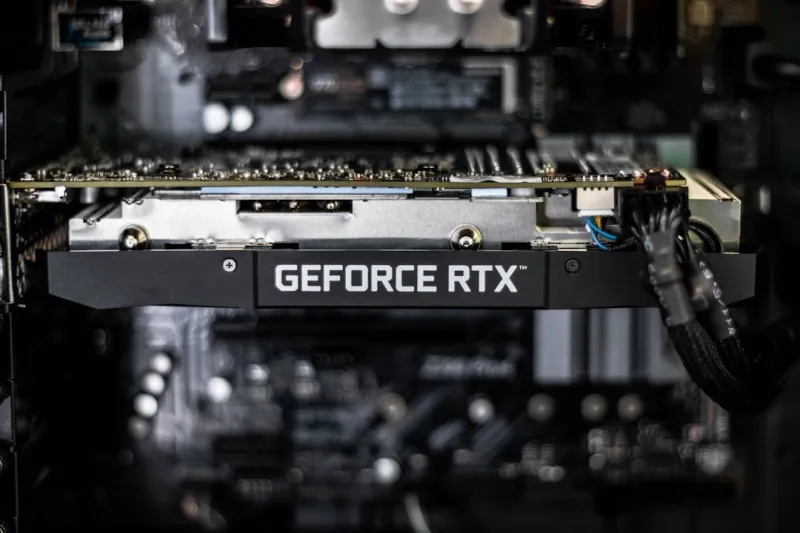
Graphics cards are the heartbeats of modern gaming rigs and creative workstations, and 2026 has finally ushered in a generation where ray‑traced performance meets affordable power consumption. When I swapped my aging 30‑series card for a brand‑new RTX 5‑series, the visual fidelity jump was undeniable—real‑time reflections that previously required a separate rendering pass now happen natively. However, raw power isn’t the only factor; driver stability and thermal management play equally critical roles. If you encounter artifacts or unexpected crashes, my go‑to resource is Mastering GPU Troubleshooting: A Practical Guide for 2026, which walks you through BIOS settings, firmware updates, and even custom fan curves that can rescue a temperamental card. Remember to match your GPU’s power draw with a PSU that not only meets the wattage requirement but also offers clean, ripple‑free rails. A well‑matched power supply can be the difference between sustained 144 Hz gameplay and sudden shutdowns under load.
Memory Matters: Choosing the Right RAM for Speed and Stability
RAM has evolved from a simple buffer to a performance catalyst, especially as applications start to leverage AI‑accelerated pipelines. In my recent build, I opted for 32 GB of DDR5‑6000 with a tight latency profile, and the impact on video editing timelines was immediate—render queues cleared 15 % faster than my previous DDR4 setup. Yet, speed isn’t everything; stability remains paramount. If you’ve ever been frustrated by random blue screens or inexplicable freezes, take a look at Diagnosing and Fixing RAM Issues in the High‑Performance Era. The guide highlights the importance of running thorough memory diagnostics, ensuring BIOS memory mapping is correctly configured, and even the subtle art of selecting compatible DIMM modules from the same manufacturer to avoid timing mismatches. As a rule of thumb, aim for a memory kit that offers both high frequency and low CAS latency, and always verify that your motherboard’s QVL (Qualified Vendor List) endorses the modules you plan to install.
Storage Strategies: When to Keep an HDD in the Mix
Solid‑state drives dominate the conversation, but that doesn’t mean hard drives have become extinct. In 2026, massive, low‑cost HDDs still provide a valuable tier for bulk storage, especially for media libraries, backups, and archival projects. I recently migrated my game library’s less‑frequently played titles to a 12 TB 7200 RPM drive, freeing up SSD space for the OS and active projects. This hybrid approach offers the speed of NVMe for daily tasks while leveraging the cost efficiency of traditional spinning media. For a deeper dive into the continued relevance of hard drives, read Why Hard Drives Still Matter in 2026: Capacity, Cost, and Security. The article outlines how modern HDDs have improved shock resistance and incorporate encryption features that make them viable for secure, high‑capacity storage. Pair your SSD with a robust HDD, and you’ll strike a sweet spot between performance, capacity, and budget.
Motherboard Selection: The Unsung Hero of Future‑Proofing
Choosing the right motherboard is akin to picking the foundation of a house—it determines not only the current layout but also how easily you can expand later. In this era, the “gaming‑only” boards are being eclipsed by platforms that prioritize PCIe 5.0 lanes, robust VRM designs, and extensive M.2 connectivity. I leaned heavily on the insights from Why Modern Motherboards Are the Real Game‑Changers in 2026, which emphasizes that a well‑engineered board can accommodate multiple GPUs, high‑speed storage, and even upcoming DDR6 memory without a full redesign. Look for features like BIOS flashback, which lets you update firmware without a CPU, and integrated Wi‑Fi 7 for next‑gen networking. A motherboard with a solid power delivery system will also help you overclock safely, extending the life of both CPU and RAM. By investing in a board that offers more lanes and expansion slots than you need today, you set the stage for incremental upgrades that won’t require a complete rebuild.
Cooling and Power: Keeping the Beast Calm
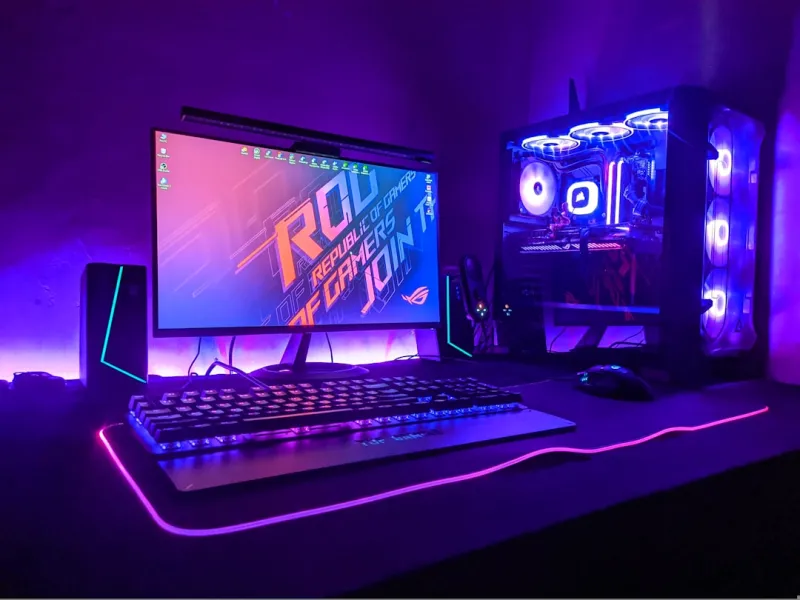
All the horsepower under the hood is meaningless if your cooling solution can’t keep temperatures in check. In my latest configuration, I moved from a single 240 mm AIO to a 360 mm liquid cooler with a dual‑chamber radiator, which dropped sustained load temperatures by nearly 12 °C. This not only improves performance but also extends component lifespan. Pair this with a high‑efficiency 850 W 80+ Platinum PSU, and you’ll notice cleaner power delivery, lower noise, and better headroom for future GPU upgrades. It’s also worth considering modular cables to improve airflow inside the case—a tidy interior translates to fewer hot spots. For enthusiasts who prefer air cooling, look for fans with a high static pressure rating and PWM control, as they can adapt to varying loads without sacrificing silence. Remember, the combination of effective cooling and a reliable power source is the glue that holds your high‑performance system together.
Building a Future‑Proof PC: The Modular Upgrade Path
Future‑proofing isn’t about buying the most expensive parts today; it’s about creating a modular platform that can adapt as technology evolves. One strategy I swear by is to keep the chassis roomy enough for larger coolers and additional drive bays, while opting for a power supply that exceeds your current draw by at least 20 %. This cushion accommodates upcoming GPU releases that may push the 350 W threshold per card. Additionally, invest in a motherboard with extra PCIe slots and abundant USB‑C headers, because the next wave of peripherals—think AI‑accelerated external GPUs or high‑bandwidth storage enclosures—will demand those connections. Keep an eye on emerging standards like DDR6 and PCIe 6.0; while they’re not mainstream yet, a board that supports a BIOS update path can transition you smoothly. By planning each component with an eye toward scalability, you’ll find that a single incremental upgrade—like swapping a 2 TB NVMe for a 4 TB model—can keep your system at the cutting edge without a full rebuild.
Wrapping Up: Your Upgrade Journey Starts Today
Upgrading a PC in 2026 feels less like chasing a moving target and more like curating a personalized performance suite. By focusing on a balanced CPU‑GPU‑RAM‑storage mix, selecting a forward‑looking motherboard, and ensuring robust cooling and power delivery, you set the stage for a machine that can handle tomorrow’s workloads today. Remember, each component you choose should complement the others—high‑speed RAM won’t shine without a capable CPU, and a powerful GPU needs a stable power supply to reach its full potential. Leverage the resources linked throughout this guide to troubleshoot, compare, and validate your choices. The most rewarding part of the upgrade process is the moment you boot up, hear that familiar fan spin, and see your desktop come alive with fluid performance. So grab that screwdriver, dive into the BIOS, and start building a PC that reflects both your current needs and your future ambitions.