When I first cracked open a vintage tower back in the early 2020s, the memory modules felt like a relic from a bygone era—large, clunky, and stubbornly unreliable. Fast‑forward to 2026, and RAM has evolved into a high‑speed, low‑latency workhorse that powers everything from AI‑infused IDEs to real‑time ray‑traced gaming. Yet, despite these advances, many of us still encounter the dreaded “blue screen of death” or intermittent freezes that point straight at the memory. In my experience, the root cause isn’t always a bad stick; it’s often a mismatch between the system’s expectations and the RAM’s actual behavior. As a longtime troubleshooting specialist, I’ve learned to look beyond the obvious symptoms and ask, “What has changed in the hardware stack, the firmware, and the software that could be tugging at the memory’s nerves?” In this deep dive, I’ll walk you through the modern RAM landscape, highlight the subtle signals that hint at trouble, and give you a step‑by‑step plan to isolate and resolve those headaches before they turn your productivity into a nightmare.
Understanding Modern RAM Failure Modes
First, let’s demystify what “failure” actually means for DDR5 and the emerging DDR6 modules that are starting to hit enthusiast boards in 2026. A failed module can manifest as a hard fault—where the system refuses to POST—or as a soft fault, where random bit flips corrupt data during heavy workloads. The latter is especially sneaky because it often surfaces only under specific stress, like compiling massive codebases or rendering 8K video streams. One key factor is timing drift, where the memory controller’s clock deviates just enough to cause occasional errors. This drift can be amplified by aggressive power‑saving settings in the BIOS, or by the latest AI‑driven OS schedulers that dynamically re‑allocate resources. Another emerging culprit is the new “on‑die ECC” feature that, while intended to correct errors, can sometimes misreport parity, leading the system to trigger a crash. Understanding these nuanced failure modes is essential before you start swapping sticks blindfolded.
Beyond the chip itself, the surrounding ecosystem plays a huge role. Modern motherboards now integrate high‑speed PCIe 5.0 lanes directly next to the DIMM slots, creating a dense electromagnetic environment. If your board’s layout isn’t optimized, the resulting interference can cause sporadic memory errors that mimic a defective RAM module. Additionally, the surge in AI‑accelerated workloads has driven manufacturers to push voltage envelopes higher, which can stress the delicate voltage regulation modules (VRMs). Over‑voltage, even by a few millivolts, can degrade the memory’s signal integrity over time. In practice, you’ll see error logs that reference “memory controller timeout” or “ECC correction failure,” clues that point to a systemic issue rather than a single bad stick.
Another layer to consider is software‑level interaction. The operating systems of 2026 now employ predictive memory management, pre‑fetching data based on AI models of your usage patterns. When those predictions go awry—say, an AI model misclassifies a workload and over‑allocates memory—your RAM can become saturated, leading to page‑file thrashing that looks like a hardware fault. This is why you might see a “RAM crash” right after installing a new AI‑enhanced IDE plugin. To add to the confusion, certain security frameworks now lock down memory regions using hardware‑based encryption, which can cause compatibility glitches with older firmware. In short, the modern RAM failure landscape is a tapestry woven from hardware, firmware, and software threads, each capable of pulling the rug out from under your system.
Practical Steps to Diagnose and Repair
Now that we’ve mapped the terrain, let’s get our hands dirty. The first thing I always do is run a baseline memory test using a tool that supports DDR5/DDR6 ECC reporting, such as MemTest86 Pro. Run at least three full passes while the system is idle, then repeat the test under load—launch a heavy AI training session or a 4K video render. If the errors only appear under load, you’re likely dealing with timing drift or power delivery issues rather than a defective chip. Document the exact error codes; they often reference specific addresses that can be cross‑checked against your motherboard’s QVL (Qualified Vendor List). For deeper insight, check the Why Your PC’s RAM Keeps Crashing and How to Fix It guide for detailed error‑interpretation techniques.
Next, examine your BIOS settings. Many users default to “Auto” timings, trusting the motherboard to pick the optimal values. In 2026, the smarter approach is to enable the “XMP Profile” and then fine‑tune the voltage manually, staying within the manufacturer’s recommended range. If you’re overclocking, dial back the frequency by 200‑400 MHz and observe whether stability improves. Don’t forget to disable any aggressive power‑saving modes like “Deep Sleep” for the memory controller; these can exacerbate timing drift. After adjusting settings, rerun the memory stress test. Consistent pass results indicate the issue was firmware‑related rather than a hardware defect.
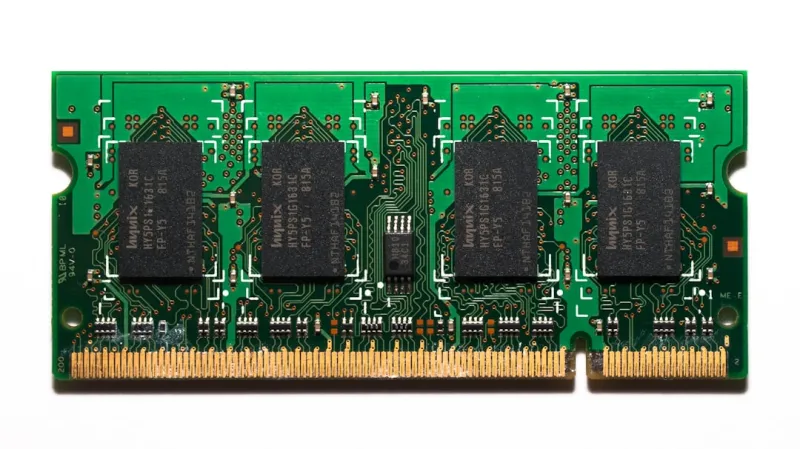
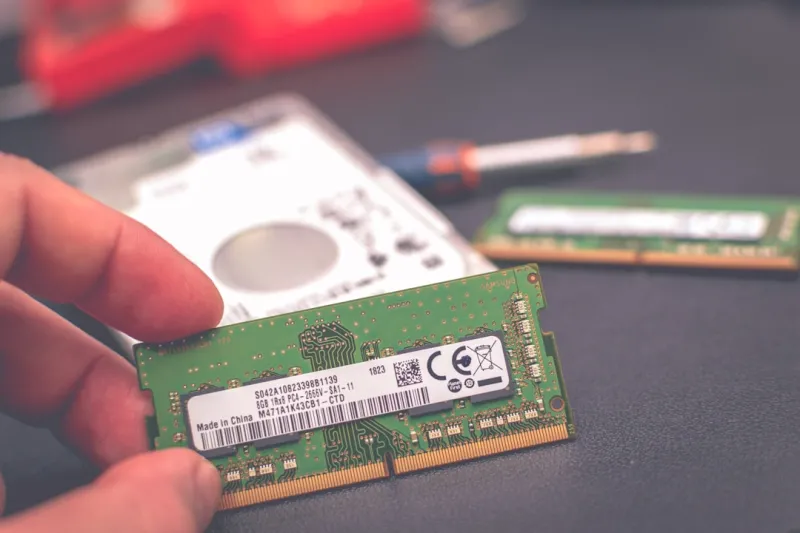
If the problem persists, it’s time to inspect the physical installation. Ensure each DIMM is seated firmly and that the locking tabs click into place. Dust can be a silent killer—use compressed air to clear the slots and the surrounding VRM heatsinks. While you’re there, verify that the motherboard’s BIOS is updated to the latest version. Firmware updates in 2026 often include microcode patches that improve compatibility with the newest DDR6 modules, addressing the very timing and voltage quirks we discussed earlier. A quick flash can sometimes resolve a baffling instability without any hardware swaps.
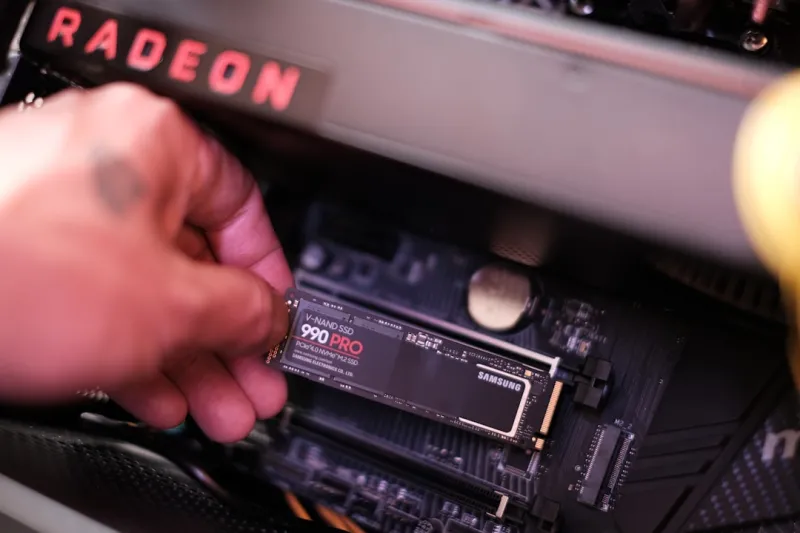
When hardware inspection and firmware tweaks don’t cut it, consider the broader system environment. Are you using a high‑performance power supply rated for the current draw of your CPU, GPU, and RAM? Undersized PSUs can cause voltage sag under load, which manifests as random memory errors. Check the PSU’s rail stability with a multimeter or a dedicated power‑analysis tool. Additionally, if you have multiple GPUs or PCIe add‑in cards, try removing them temporarily to see if the memory stabilizes. This helps isolate whether electromagnetic interference from adjacent slots is the culprit. In many of my recent builds, simply repositioning a PCIe 5.0 SSD away from the DIMM slots eliminated intermittent crashes.
Assuming you’ve narrowed the issue down to a specific module, the next step is a targeted swap test. If you have an extra stick of identical spec, install it in the suspect slot while moving the original stick to a known‑good slot. If the system stabilizes, you’ve identified a faulty slot rather than a bad RAM stick—a rare but possible scenario on newer motherboards that employ high‑density power delivery circuitry. If both sticks misbehave in that slot, replace the motherboard’s BIOS with a beta version that may include improved memory training algorithms. This iterative process, though time‑consuming, often saves you from unnecessary component purchases.
Beyond the immediate fix, think about future‑proofing your memory subsystem. The Hardware Trends Shaping PCs in 2026: A Builder’s Playbook article outlines the shift toward higher‑capacity DDR6 modules with on‑die ECC and integrated thermal sensors. When planning your next upgrade, prioritize modules that support the latest JEDEC specifications and come with a robust warranty. Pair them with a motherboard that offers granular voltage control and a reliable BIOS update track record. Investing in quality cooling for the VRM area also pays dividends, as stable temperatures directly impact memory stability under sustained loads.
Finally, keep an eye on the software side. Modern OSes in 2026 now provide detailed memory health dashboards that surface ECC correction rates and latency spikes in real time. Regularly monitor these metrics, especially after major OS or driver updates. If you notice a sudden uptick in corrected errors, roll back the recent changes or adjust the system’s AI‑driven memory allocation policies. Remember, a proactive stance—updating firmware, cleaning hardware, and watching system metrics—will keep your RAM humming smoothly for years to come.
In summary, troubleshooting RAM in 2026 is less about swapping sticks and more about orchestrating a harmony between hardware, firmware, and intelligent software. By methodically testing under load, fine‑tuning BIOS settings, ensuring pristine physical connections, and staying abreast of the latest motherboard and memory innovations, you can turn a frustrating crash into a manageable, even predictable, event. My goal is to empower you with a clear roadmap so that when your system does stumble, you’ll know exactly where to look, what to adjust, and how to prevent the next stumble before it happens.