Why Your GPU Might Be Acting Like a Drama Queen
When I first pulled a brand‑new RTX card out of its anti‑static bag, I expected it to roar to life like a finely tuned race car. Instead, it stuttered, flashed an ominous black screen, and then politely refused to run any modern game. That moment reminded me why video‑card troubleshooting feels like a detective novel—each symptom is a clue, and the culprit is often hiding in plain sight. In 2026, the landscape of GPUs is more complex than ever: power‑efficient 5 nm dies, AI‑accelerated ray tracing cores, and ever‑shrinking memory buses mean that a single mis‑step can cascade into a full‑blown system failure. My own workflow has evolved to include a systematic “symptom‑first” approach: identify whether the issue is visual (artifacts, flickering), performance‑related (low FPS, stutters), or outright boot‑failure. From there, I narrow down the possibilities—driver corruption, thermal throttling, power delivery, or firmware mismatches. By treating each glitch as a story, you not only solve the problem faster, you also build a deeper intuition about how today’s GPUs interact with the rest of the PC ecosystem.
Driver Demons and How to Exorcise Them
The first line of defense in any GPU issue is the driver stack. In 2026, drivers are no longer just a simple Windows DLL; they’re a layered suite that talks to the OS, the firmware, and even cloud‑based AI inference services. When I see a sudden crash after a Windows update, I suspect the latest driver release has introduced a regression. My go‑to method is to roll back to the previous stable version using modern motherboards’ built‑in driver rollback tools, then perform a clean install with DDU (Display Driver Uninstaller) in safe mode. This wipes any lingering files that might be causing conflicts. After reinstalling the driver, I run a quick GPU-Z sanity check to confirm the core clock, memory clock, and temperature sensors report correctly. If the problem persists, I dive into the Windows Event Viewer for “Display driver stopped responding and has recovered” entries, which often point to a specific driver module that needs patching. Keeping a local archive of known‑good driver versions is a habit that has saved me countless hours of frustration.
When Heat Becomes a Heart Attack for Your Card
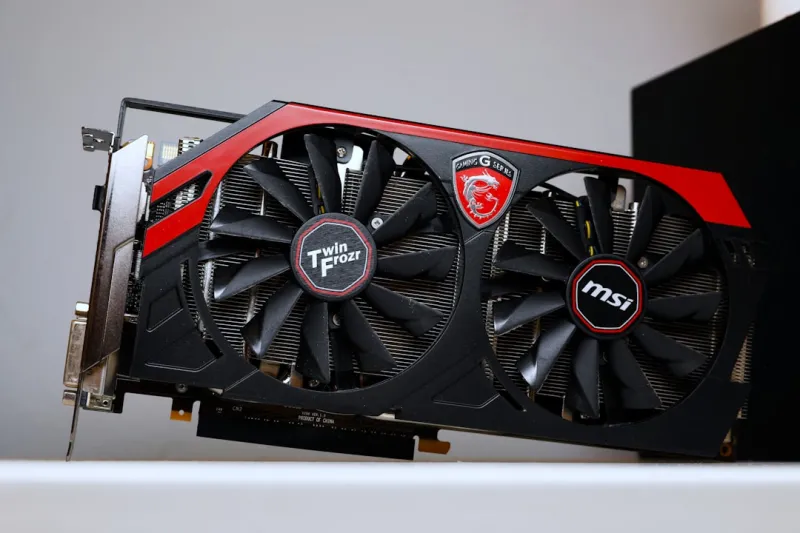
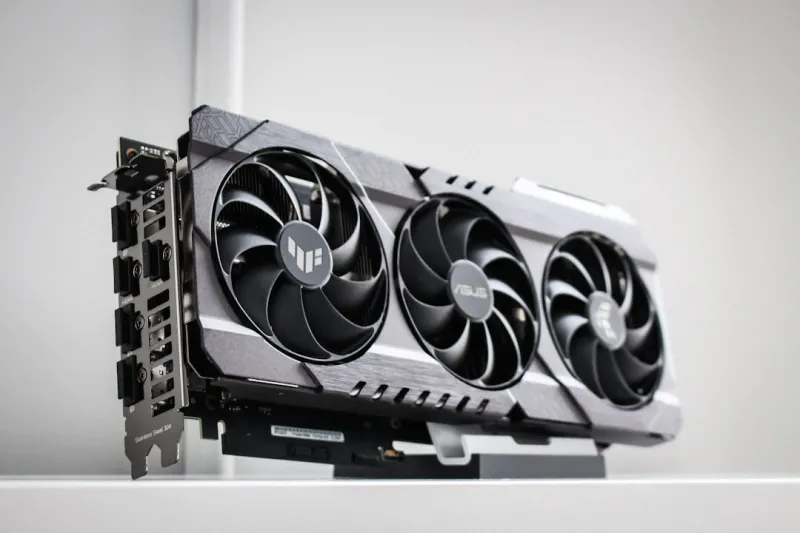
Thermal throttling is the silent assassin of gaming performance. Even the most robust cooling solutions can falter under the relentless pressure of high‑resolution ray tracing and AI‑upscaled frames. I’ve learned to listen to the GPU’s temperature curve like a seasoned mechanic listens to an engine’s RPMs. First, I check the fan curve in the manufacturer’s utility—if the fans aren’t ramping up at 70 °C, that’s a red flag. Next, I inspect the physical heatsink for dust buildup; a year’s worth of fine particles can act like a blanket, trapping heat. Using a can of compressed air, I clear the fins and reseat the thermal pads with a high‑quality silicone compound, ensuring proper contact with the die. I also verify that the case airflow aligns with the GPU’s exhaust direction, as a reversed airflow can create hot pockets. After these steps, I run a stress test with Unigine Heaven while monitoring temperatures; staying under 85 °C under load is the sweet spot for modern GPUs. If the card still spikes, it may be a sign of a defective fan or a deeper silicon issue.
Power Supply Woes: The Unsung Hero of Stability
Power delivery is often the overlooked piece of the puzzle. A GPU can draw anywhere from 150 W to 350 W in peak scenarios, and an under‑powered or aging PSU can manifest as random reboots, artifacting, or the dreaded “white screen of death.” I always start by confirming the PSU’s wattage rating against the GPU’s TDP, as listed on the manufacturer’s spec sheet. Next, I physically inspect the 8‑pin and 6‑pin connectors for bent pins or loose clips; a single bad pin can cause intermittent power loss. Using a multimeter, I check the voltage rails (12 V, 5 V) while the system is under load to ensure they stay within ±5 % of nominal. If you’re using modular cables, double‑check that you’ve plugged the GPU into the correct cables, not the motherboard ones. Finally, I run a quick benchmark while monitoring power draw in the PSU’s companion app; any sudden drops in power correlate with the timing of crashes, pointing directly to a supply issue. When in doubt, swapping in a known‑good PSU can quickly confirm the culprit.
BIOS, UEFI, and Compatibility: The Hidden Layer
Even with a perfectly seated card and clean drivers, the system’s firmware can throw a wrench in the works. Modern motherboards now feature dynamic PCIe lane allocation and GPU‑specific BIOS options that can affect performance and stability. I often start by updating the motherboard’s BIOS to the latest version, which can include compatibility patches for newer GPU architectures. In the UEFI settings, I verify that the PCIe slot is running at the correct generation—most high‑end cards perform best on a 4.0 x16 lane, not a down‑clocked 3.0 configuration. Enabling “Above 4G Decoding” and “Resizable BAR” can unlock additional performance, but if you experience boot loops, toggling these features off can help isolate the issue. For those who love digging deeper, the hardware trends shaping PCs article provides a deep dive into how PCIe evolution impacts GPU stability. After adjusting BIOS settings, a quick CMOS clear ensures the changes take effect cleanly, and a fresh boot will reveal whether firmware was the hidden adversary.
Visual Artifacts: Decoding the Glitches
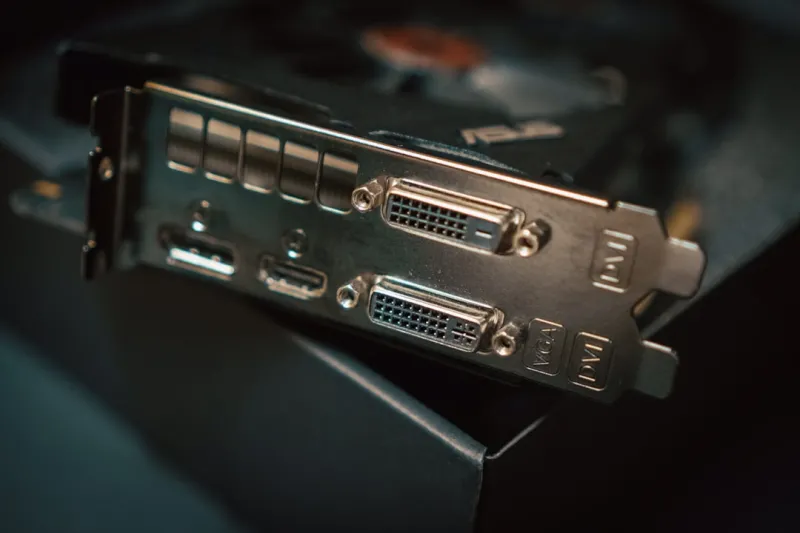
Artifacts—those strange pixelated shapes, flickering textures, or bizarre colors—are the visual manifestation of deeper issues. The first thing I do is run a low‑intensity benchmark like 3DMark Fire Strike to see if the artifacts persist under a light load. If they disappear, the problem is likely heat‑related; if they remain, it points to memory corruption or a faulty silicon core. I then swap the GPU’s video output cable (DisplayPort vs. HDMI) to rule out a bad connector. Next, I stress the VRAM by running a memory‑intensive benchmark such as MemTestG80, watching for error messages. If the VRAM test fails, the memory modules on the card may be defective, a situation that usually warrants an RMA. In some cases, overclocking settings can be the villain—resetting the card to factory defaults in the GPU’s control panel often eliminates the artifacts. Documenting each step with screenshots helps when you need to provide evidence to the manufacturer.
Software Tools and the Power of a Clean Slate
Modern troubleshooting isn’t just about hardware; it’s also about the software ecosystem surrounding the GPU. I rely heavily on tools like MSI Afterburner and GPU-Z to monitor real‑time clock speeds, voltages, and temperatures. When I suspect a driver issue, I use DDU in safe mode to completely purge all traces of the previous installation before applying a fresh driver build. Keeping Windows updated is essential, but I also keep an eye on optional driver updates that Microsoft sometimes bundles—these can unintentionally interfere with GPU performance. For AI‑accelerated workloads, I test with the latest DirectX 12 Ultimate runtime to ensure the card’s ray tracing and variable rate shading features are correctly engaged. If you’re still chasing ghosts, a clean Windows install on a separate SSD can isolate whether background software is corrupting the GPU pipeline. This “sandbox” approach has saved me from months of wasted time when a rogue antivirus was throttling my GPU’s compute queues.
When to RMA: Recognizing the Point of No Return
Even with meticulous troubleshooting, some defects are beyond repair. Recognizing when to file an RMA can save you frustration and prevent further damage. If you’ve exhausted driver rollbacks, thermal fixes, power checks, BIOS updates, and stress‑tested the GPU without improvement, it’s time to contact the manufacturer’s support line. Most warranties in 2026 still cover a full three‑year period, but the key is documentation: keep logs of temperature readings, benchmark screenshots, and error codes. When you submit a ticket, include the serial number, purchase receipt, and a concise summary of the steps you’ve taken. Some vendors even provide a pre‑paid shipping label, but be prepared to securely pack the GPU in anti‑static material. Once the unit is in their hands, they’ll run diagnostic firmware that can pinpoint a manufacturing flaw. Knowing the RMA process inside out ensures you get a replacement—or a refund—without the dreaded “wait forever” experience.
Future‑Proofing Your GPU Upgrade Path
Looking ahead, the next generation of graphics cards will embrace even tighter integration with AI cores and real‑time ray tracing, demanding more bandwidth and power. To avoid a repeat of yesterday’s headaches, I always align my GPU upgrades with a broader system strategy. This means selecting a PSU with at least 20 % headroom above the card’s rated TDP, ensuring the case has adequate airflow for the upcoming thermal loads, and confirming that the motherboard supports PCIe 5.0 x16 slots for maximum bandwidth. The future‑proof PC guide walks through these considerations in detail, emphasizing the importance of modularity and scalability. By planning for the next two to three years, you can avoid the dreaded “GPU bottleneck” and keep your rig ready for the ever‑growing demands of 4K, 8K, and VR gaming. Remember, a well‑balanced system not only performs better but also extends the lifespan of each component, reducing the frequency of future troubleshooting sessions.
Final Checklist: From Symptoms to Solutions
Before you close your laptop or shut down your rig, I always run through a quick mental checklist to ensure no stone is left unturned. First, verify that the driver version matches the recommended stable release for your card. Second, confirm that temperatures stay below 85 °C under sustained load and that fan curves are correctly configured. Third, double‑check power connections and PSU capacity, especially after any recent upgrades. Fourth, review BIOS/UEFI settings for PCIe lane configuration, Above 4G Decoding, and Resizable BAR. Fifth, run a brief visual artifact test with a low‑intensity benchmark to catch any lingering issues. Finally, keep a log of any anomalies and the steps you took—this habit not only aids future troubleshooting but also streamlines any RMA process. By treating each GPU issue as a methodical investigation rather than a guess‑work battle, you’ll spend less time troubleshooting and more time enjoying the immersive worlds your graphics card was built to render.