When I first tore apart a tower back in the early 2020s, the biggest question on my mind was always “Will this still be decent in a year?” Fast‑forward to 2026, and that question has morphed into a full‑blown strategic exercise. The pace of innovation in computer hardware now feels like a sprint on a treadmill that’s constantly gaining speed. From AI‑infused silicon to the relentless march toward higher bandwidth, every component is being re‑engineered not just for raw performance, but for adaptability in a world where workloads shift on a daily basis. As someone who lives at the intersection of hands‑on tinkering and enterprise‑grade design, I’ve learned that the smartest builds are those that anticipate change rather than react to it. In this post, I’ll walk you through the most consequential hardware trends of 2026 and give you a playbook for building a machine that stays relevant for years to come.
Let’s start with the brain of the system: the CPU. This year, we’re seeing a decisive split between traditional high‑core count processors and specialized AI accelerators built directly into the chip. Companies are rolling out silicon that can offload everything from natural‑language inference to real‑time video enhancement without needing a separate GPU. The result? Benchmarks that were once the domain of workstation‑class rigs are now achievable on mainstream desktop platforms. What does this mean for the average builder? It means you can prioritize a processor that balances single‑thread performance with on‑die AI cores, giving you a machine that’s equally adept at gaming, content creation, and AI‑driven workloads. Keep an eye on the TDP curves, though—these AI‑centric chips can be power‑hungry, so pairing them with an efficient power delivery system is non‑negotiable.
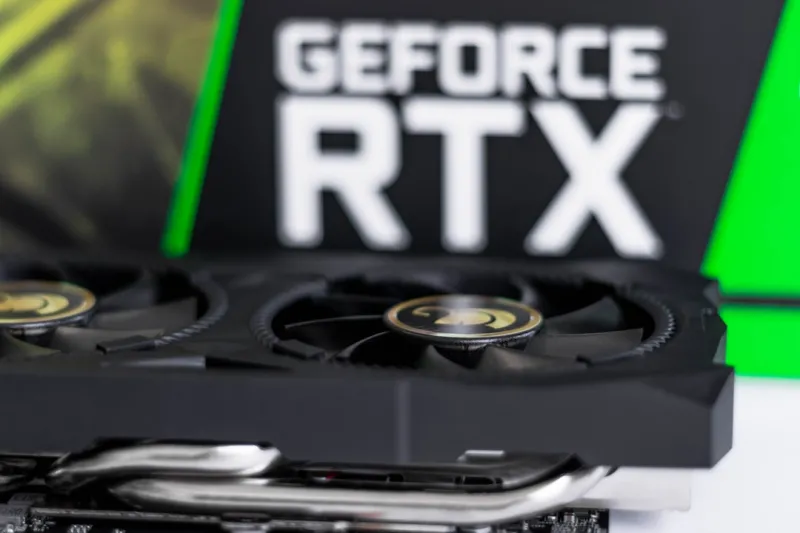
The GPU landscape has also taken a dramatic turn. While ray tracing remains a headline feature, the real game‑changer is the integration of tensor cores and dedicated inference engines that can accelerate machine‑learning tasks in real time. The newest generation of graphics cards now ships with up to 48 GB of GDDR7 memory and bandwidth that eclipses the older PCIe 4.0 era by a factor of two. This isn’t just about smoother frame rates; it’s about enabling creators to render 8K video, run AI‑enhanced filters, and even train small models without leaving the desktop. For enthusiasts, the takeaway is clear: prioritize cards that offer both high rasterization performance and robust AI pipelines, because the software ecosystem in 2026 is increasingly built around those dual capabilities.
Why the Motherboard Revolution Matters More Than Ever
Speaking of foundations, the motherboard has finally earned its moment in the spotlight. The Motherboard Revolution article broke down how PCIe 6.0, DDR6, and integrated 5 G/6 G wireless are no longer optional add‑ons but baseline expectations for any future‑proof build. The shift to PCIe 6.0 translates to data lanes capable of 64 GT/s, meaning your storage, GPU, and networking devices can communicate at blistering speeds without bottlenecks. Coupled with the emergence of DDR6 memory, which offers lower latency and higher per‑pin density, the platform can sustain the throughput required by AI workloads and high‑resolution gaming alike. Moreover, manufacturers are embedding smarter power controllers that can dynamically allocate power based on real‑time demand, improving efficiency and reducing heat. When you select a motherboard this year, look for robust VRM designs, multiple M.2 slots with heatsinks, and a BIOS that supports both legacy and AI‑centric firmware updates.
Storage, the silent hero of performance, is undergoing its own renaissance. The Hard‑Drive Revolution article highlighted how NVMe 2.0 drives are now standard, delivering sequential read speeds north of 15 GB/s and latencies measured in microseconds. What’s more, these drives are integrating on‑drive encryption and self‑healing error correction, addressing the security concerns that have plagued older SSDs. For power users, the practical impact is immediate: faster game load times, near‑instant application launches, and a dramatic reduction in system‑wide stalls caused by data starvation. If you’re still clinging to SATA SSDs or, worse, spinning HDDs, you’re essentially bottlenecking the rest of your high‑performance components. Invest in at least a 2 TB NVMe 2.0 drive today, and consider a secondary, high‑capacity SATA or QLC SSD for archival storage to keep your primary volume lean and speedy.
Memory technology is also catching up with the demands of AI‑heavy workloads. DDR6 modules, now available in capacities up to 64 GB per stick, boast a 20% reduction in latency compared to DDR5 while offering double the bandwidth. This combination is a boon for developers who run virtual machines, containers, and AI inference engines side by side. However, the higher frequencies come with increased power draw, so a well‑designed VRM and efficient cooling solution become essential. In practice, a balanced configuration of 32 GB (2 × 16 GB) DDR6 running at 5600 MT/s provides a sweet spot for most gamers and creators, while power users can scale to 64 GB without breaking the bank. Remember to enable XMP profiles in the BIOS to unlock the advertised speeds; otherwise you’ll be leaving performance on the table.
Power delivery and thermal management have quietly become the unsung heroes of modern builds. As components push higher TDPs, the demand for smarter, more efficient power supplies has surged. 80 PLUS Platinum and Titanium certifications are now the norm for high‑end rigs, ensuring that less waste heat translates into lower system temperatures and longer component lifespans. On the cooling front, hybrid solutions that combine liquid cooling for the CPU and GPU with high‑airflow chassis designs are gaining traction. These setups not only keep temperatures in the sub‑70 °C range under load but also reduce acoustic noise—a critical factor for those who stream or work from home. Moreover, many newer PSUs now feature AI‑driven monitoring that can predict and mitigate power spikes before they affect system stability, aligning perfectly with the broader trend toward AI‑assisted hardware management.
Practical Steps to Future‑Proof Your Build
Now that we’ve covered the tech, let’s translate that into a concrete action plan. The How to Future‑Proof Your PC Upgrade in 2026 guide offers a checklist that I’ve refined over countless builds. First, always choose a case that supports ATX, E‑ATX, and upcoming form factors like U‑ATX, giving you flexibility for larger motherboards. Second, prioritize modular power supplies; they simplify cable management and make future upgrades less of a chore. Third, opt for a motherboard with at least three M.2 slots and robust PCIe 6.0 lanes—this ensures you can add faster storage or additional GPUs down the line without needing a new board. Lastly, consider an OS that supports AI‑driven drivers and firmware updates, as this will keep your hardware performing at its peak without manual intervention.
To illustrate how these recommendations play out, here’s a quick upgrade roadmap you can follow over the next two years:
- Year 1: Install a DDR6‑compatible motherboard, a 32 GB DDR6 kit, and a PCIe 6.0 GPU with integrated AI cores.
- Year 2: Add a 2 TB NVMe 2.0 SSD and upgrade the power supply to an 850 W Platinum unit with AI monitoring.
- Year 3 (optional): Swap in a next‑gen CPU with higher AI‑core counts, leveraging the same motherboard’s BIOS updates.
This staggered approach lets you spread costs while continuously enhancing performance. The key is to keep the core platform—CPU socket, chipset, and case—stable, so each upgrade feels like a natural evolution rather than a complete overhaul. By the end of this cycle, you’ll have a system that can comfortably handle 8K gaming, real‑time AI video enhancement, and demanding development workloads without needing a major redesign.
Finally, remember that hardware is only half the story; software ecosystems evolve in lockstep. Keep an eye on driver releases, firmware patches, and AI‑enhanced utilities that can squeeze additional performance out of existing components. Communities like the Comp Doc Forums are invaluable for staying ahead of the curve, and I encourage you to share your own upgrade experiences. When you blend thoughtful hardware choices with proactive software maintenance, you create a resilient platform that serves you well into the future. So go ahead—plan that upgrade, enjoy the excitement of building, and watch as your machine continues to outperform expectations year after year.