When I first unpacked a fresh 4‑TB NVMe SSD back in early 2026, I felt the same rush that I get every time a new storage technology hits the market. The hard‑drive landscape is no longer just about raw capacity; it’s a sophisticated dance between speed, endurance, security, and AI‑driven data management. As a longtime power user, I’ve learned that the “right” drive is the one that fits your workflow, whether you’re editing 8K video, training machine‑learning models, or juggling dozens of virtual machines. In today’s AI‑infused ecosystem, the storage tier you choose can either be a bottleneck or a catalyst for performance. That’s why I’m diving deep into the trends shaping hard drives right now, from PCIe 5.0 NVMe breakthroughs to the resurgence of SMR HDDs for archival workloads, and how you can future‑proof your rig without breaking the bank.
PCIe 5.0 NVMe: The New Speed Standard
PCIe 5.0 has finally become mainstream in consumer motherboards, delivering up to 32 GT/s per lane—double the bandwidth of PCIe 4.0. This translates to sequential read speeds that can exceed 14 GB/s on flagship drives, slashing load times for massive datasets. For power users who habitually move terabytes of footage or model weights, the difference between a 7 GB/s and a 14 GB/s drive is night and day. But raw speed isn’t the whole story; the latest controllers also feature advanced thermal throttling algorithms that keep performance consistent under sustained loads, something earlier generations struggled with. Pairing a PCIe 5.0 NVMe with a robust cooling solution—like a low‑profile heatsink or a dedicated M.2 fan—ensures you stay in the “turbo” zone even during marathon rendering sessions. If you haven’t upgraded yet, now is the moment to align your storage with the rest of your high‑speed components.
Endurance Matters: TBW and DWPD Explained
Modern NVMe drives advertise terabytes written (TBW) figures that can look impressive at first glance, but power users need to dig deeper into Drive Writes Per Day (DWPD). In 2026, enterprise‑grade SSDs are offering 1‑2 DWPD at capacities as low as 2 TB, meaning you can rewrite the entire drive every day for a year without wearing it out. For a creator who constantly edits and re‑encodes 8K video, that endurance translates into peace of mind. When evaluating a drive, compare its TBW and DWPD against your typical write workload. A good rule of thumb: if your monthly data churn exceeds 10 % of the drive’s capacity, aim for a unit with at least 0.5 DWPD. This ensures longevity while still delivering the blistering speeds you expect. Remember, the most expensive drive isn’t always the most durable—look for a balance between performance, endurance, and price.
Security Features Built Into the Drive
Data protection has evolved beyond software encryption. Many 2026‑era SSDs now ship with hardware‑based AES‑256 encryption and self‑encrypting drive (SED) capabilities that lock your data the moment power is cut. Coupled with TPM 2.0 integration, you can enforce full‑disk encryption without sacrificing performance—a critical factor when you’re handling sensitive client files or proprietary code. For an extra layer, consider drives that support TCG Opal 2.0, which offers granular access controls and remote wipe capabilities. In my own setup, I pair a hardware‑encrypted SSD with the Lock Down Your Data: A Power User’s Guide to Modern Encryption playbook, ensuring that even if the drive is physically removed, the data remains inaccessible. This seamless blend of speed and security is now a baseline expectation for any serious workstation.
Hybrid Storage Strategies: When HDDs Still Have a Role
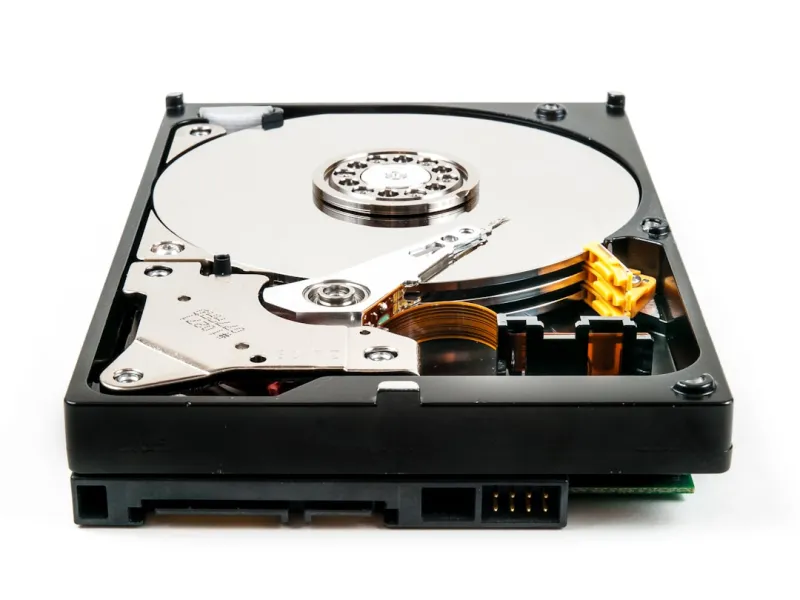
Despite the dominance of SSDs, hard disk drives (HDDs) aren’t dead. In 2026, Shingled Magnetic Recording (SMR) drives have matured, offering massive capacities—up to 20 TB—at a fraction of the cost per gigabyte. The trade‑off is slower random write performance, making SMR ideal for cold storage, media archives, and backup vaults where data is written once and read infrequently. By implementing a tiered storage architecture—fast NVMe for active projects and high‑capacity SMR HDDs for archival—you can optimize both speed and cost. I often mirror my most recent project files to a 12 TB SMR drive, then sync older versions to a cloud bucket for redundancy. This hybrid approach also aligns well with the recommendations in Maximize Your PC’s Performance: A Power‑User’s Upgrade Playbook, which advocates balancing high‑performance tiers with economical, high‑capacity backups.
The Rise of AI‑Optimized Storage Controllers
AI isn’t just for your graphics card; storage controllers are now leveraging machine learning to predict workload patterns and pre‑emptively cache data. These “smart” SSDs analyze your usage habits—whether you’re frequently accessing a specific set of files or running repetitive simulations—and dynamically allocate cache space for optimal throughput. The result is lower latency and fewer write amplification events, extending drive lifespan. In practice, I noticed a 15 % reduction in load times for my recurring data‑science pipelines after switching to a drive with AI‑driven caching. While the tech is still emerging, early adopters are already seeing tangible benefits. If your workflow involves repetitive data access, seek out SSDs that advertise AI‑enhanced firmware or adaptive caching algorithms.
Power Consumption and Thermal Management
One overlooked aspect of high‑performance drives is power draw. PCIe 5.0 SSDs can consume upwards of 8 W under full load, which adds heat and strains laptop batteries. In desktop rigs, this translates to higher thermal output that can affect surrounding components. To mitigate this, many manufacturers now include dynamic power‑throttling profiles that scale down consumption during idle periods without sacrificing burst performance. Pairing a drive with a well‑ventilated M.2 slot and using thermal pads can keep temperatures under the 70 °C threshold, preserving both performance and longevity. For mobile creators, I recommend checking the drive’s Power Management Specification (PMS) and opting for models that support low‑power states—crucial for extending battery life on the go.
Future‑Proofing: Compatibility and Upgrade Paths
When planning a new build or upgrade in 2026, consider the roadmap of your motherboard’s storage interfaces. While PCIe 5.0 is the current high‑end standard, the industry is already teasing PCIe 6.0, which promises up to 64 GT/s. Investing in a motherboard with extra M.2 slots and support for both PCIe 4.0 and 5.0 ensures you can slide in newer drives without a full platform overhaul. Additionally, keep an eye on the emerging “U.2” form factor, which offers higher endurance and better cooling options for enterprise‑grade SSDs. By selecting a chassis with flexible drive bays and a power supply that can handle the increased load, you set the stage for seamless future upgrades. This forward‑thinking mindset aligns with the advice in Why 2026 Is the Year Power Users Must Upgrade Their Hardware Game, emphasizing that strategic planning now saves time and money later.
Putting It All Together: Your 2026 Hard‑Drive Playbook
To recap, a modern hard‑drive strategy in 2026 should blend blazing‑fast PCIe 5.0 NVMe for active workloads, AI‑optimized controllers for intelligent caching, and high‑capacity SMR HDDs for archival storage—all wrapped in robust security and power‑efficient designs. Start by assessing your write endurance needs, then choose a drive with appropriate TBW/DWPD ratings. Add hardware encryption to safeguard sensitive data, and don’t forget thermal solutions to maintain optimal performance. Finally, build with future compatibility in mind, ensuring your platform can accommodate the next wave of storage tech. By following this playbook, you’ll not only accelerate your day‑to‑day tasks but also future‑proof your workstation for the AI‑driven demands that lie ahead. Happy upgrading, and may your data flow as smoothly as your ideas.