When I first cracked open my custom rig back in 2024, I thought I’d seen the peak of consumer hardware. Fast forward to 2026, and the landscape has shifted so dramatically that even seasoned power users are scrambling to keep up. The convergence of AI‑driven workloads, ultra‑fast memory, and next‑gen connectivity means that every component now plays a strategic role, not just a supporting one. In this post, I’ll walk you through the hardware trends that are reshaping the desktop experience, share the upgrades that deliver the biggest performance punch, and explain why neglecting these changes can leave you stuck in a performance bottleneck that feels like yesterday’s tech. Think of this as your roadmap to a future‑proof build that can handle everything from high‑frame‑rate gaming to massive AI model inference without breaking a sweat.
The GPU Revolution: AI Acceleration Meets Gaming Muscle
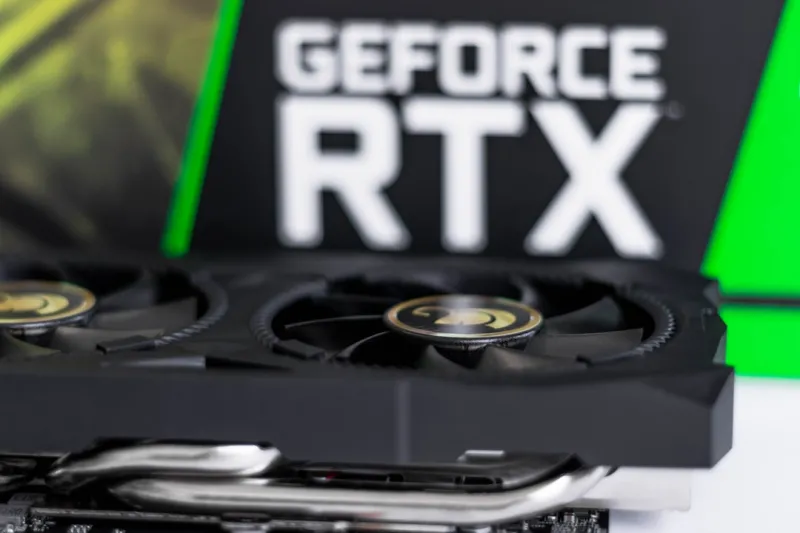
Graphics cards have always been the crown jewels of a high‑performance PC, but 2026 has turned them into true compute engines. The latest RTX‑50 series and AMD’s Radeon 8000 line integrate dedicated AI tensor cores that accelerate everything from DLSS‑3 upscaling to real‑time ray tracing with a fraction of the power draw seen just a year ago. What’s more, manufacturers are rolling out multi‑chip GPU modules that split rendering and AI tasks across separate dies, effectively giving you two specialized processors on a single board. For power users, this means you can now offload AI‑enhanced video editing, 3D rendering, and even machine‑learning inference to the GPU while still gaming at 4K 144 Hz. If you’re looking to squeeze every last frame and compute cycle, the Maximize Your PC’s Performance: A Power‑User’s Upgrade Playbook offers a detailed checklist for selecting the right GPU, matching it with appropriate VRAM, and ensuring your cooling solution can handle the extra heat.
CPU Architectures: Heterogeneous Cores and Security‑First Design
The CPU market in 2026 is no longer a simple arms race of clock speeds; it’s a sophisticated dance of performance cores, efficiency cores, and built‑in security enclaves. Intel’s 14‑nm “Meteor” chips and AMD’s “Zen 5” architecture both feature a blend of high‑power cores for bursty workloads and low‑power cores that keep background tasks humming without draining the battery in laptops or spiking the TDP in desktops. What’s truly game‑changing is the integration of hardware‑rooted security features—like Intel’s SGX 2 and AMD’s SEV‑ES—that create isolated execution environments for sensitive processes. This hardware‑level isolation is a boon for power users who run virtual machines, containers, or even personal cloud services on their rigs. To understand how to leverage these features while staying protected from the latest threats, check out the Mastering Computer Security: Power‑User Strategies for a Safer 2026 guide, which dives deep into configuring BIOS and OS settings to maximize your CPU’s security potential.
RAM Realities: Why Your Memory Might Be the Weak Link
Even with the flashiest GPU and CPU, a system can be throttled by sub‑par memory. DDR5‑5600 has become the baseline for new builds, but the real challenge lies in latency and reliability. In 2026, we’re seeing a surge in memory modules that incorporate on‑die ECC (Error‑Correcting Code) without the premium price tag traditionally reserved for workstation‑grade kits. This means power users can now protect against the dreaded “memory‑bit flip” that can corrupt data during intense computational tasks. However, many still run outdated or mismatched sticks, leading to intermittent crashes during prolonged workloads like video rendering or large data set processing. If you’ve ever wondered why your RAM keeps failing, the article Why Your RAM Keeps Failing and How to Fix It Like a Power User breaks down the common culprits—from inadequate voltage regulation to insufficient cooling—and provides a step‑by‑step guide to diagnosing and replacing faulty modules.
Storage Evolution: PCIe 5.0 NVMe and the Rise of Persistent Memory
Storage in 2026 is no longer just about capacity; it’s about endurance, speed, and latency that rivals system RAM. PCIe 5.0 NVMe SSDs now deliver sequential read speeds north of 14 GB/s and sub‑microsecond random I/O, making them ideal for both gaming load‑times and heavy‑duty content creation. Moreover, the advent of persistent memory modules—often marketed as “PMem”—blurs the line between traditional storage and RAM, offering near‑instant data access while retaining data after power loss. For power users building a workstation that handles massive video files or large scientific datasets, integrating a PMem tier can shave minutes off data ingestion and model training pipelines. When selecting storage, prioritize drives with high TBW (Terabytes Written) ratings and ensure your motherboard supports the full bandwidth of PCIe 5.0 to avoid bottlenecks.
Motherboards and Chipsets: The Backbone of Future‑Proofing
Choosing the right motherboard in 2026 is akin to picking a solid foundation for a skyscraper. Modern chipsets now boast up to 40 PCIe 5.0 lanes, USB4/Thunderbolt 4 ports, and integrated Wi‑Fi 7 modules that deliver multi‑gigabit wireless speeds. These features not only support the latest GPUs and storage devices but also provide the flexibility to add expansion cards like dedicated AI accelerators or additional network interfaces without sacrificing bandwidth. A common mistake is overlooking the VRM (Voltage Regulator Module) design; a robust 14‑phase VRM can deliver clean power to high‑end CPUs and overclocked GPUs, extending component lifespan. When planning a build, consider a motherboard that offers at least two M.2 slots with heatsinks, ample SATA ports for legacy drives, and an abundance of USB‑C connectors to keep your peripheral ecosystem tidy and high‑speed.
Power Delivery and Cooling: Efficiency Meets Sustainability
Power supplies have evolved beyond merely delivering watts; they now incorporate smart power management, dynamic fan curves, and even hybrid‑mode operation that runs silently under low loads. 80 Plus Platinum and Titanium certifications are becoming the norm for high‑performance rigs, ensuring that excess heat is minimized—a critical factor when you’re pushing multiple GPUs and a power‑hungry CPU. Cooling solutions have similarly advanced, with AIO (All‑In‑One) liquid coolers now featuring dual‑radiator configurations and low‑profile pump designs that reduce acoustic noise. For the environmentally conscious power user, opting for a high‑efficiency PSU not only cuts electricity bills but also reduces the overall carbon footprint of your build. Pair this with a well‑designed airflow layout—intake at the front, exhaust at the rear and top—and you’ll maintain optimal thermal headroom even during marathon rendering sessions.
Peripherals and Displays: Harnessing the Full Potential of Your Hardware
Even the most powerful internals can be throttled by outdated peripherals. In 2026, high‑refresh‑rate (240 Hz and above) Mini‑LED and OLED monitors deliver buttery‑smooth visuals with HDR peaks that truly showcase the capabilities of modern GPUs. Adaptive‑sync technologies like NVIDIA’s G‑SYNC Ultimate and AMD’s FreeSync 2 HDR now support variable refresh rates across a wider range of resolutions, reducing screen tearing without sacrificing frame rates. On the input side, mechanical keyboards with per‑key RGB and low‑actuation switches give you tactile feedback that matches the precision of your CPU’s performance cores. If you’re diving into VR or AR development, look for headsets that support 90 Hz+ refresh rates and inside‑out tracking to ensure a comfortable, lag‑free experience. Upgrading these peripherals not only enhances productivity but also allows you to fully appreciate the performance gains from your upgraded hardware.
Actionable Checklist: Your 2026 Power‑User Upgrade Blueprint
To wrap up, here’s a concise checklist that distills the year’s hardware trends into actionable steps:
- Upgrade to a GPU with dedicated AI tensor cores and at least 16 GB of VRAM.
- Select a CPU that blends performance and efficiency cores, and enable hardware security features in BIOS.
- Install DDR5‑5600 (or faster) memory with on‑die ECC for reliability.
- Adopt PCIe 5.0 NVMe SSDs or PMem for ultra‑fast storage and high endurance.
- Choose a motherboard with ample PCIe 5.0 lanes, USB4, and robust VRMs.
- Invest in an 80 Plus Platinum/Titanium PSU and a high‑efficiency AIO cooler.
- Refresh your monitor to a 240 Hz Mini‑LED panel and consider next‑gen peripherals.
Following this roadmap will ensure that your rig not only meets today’s demanding workloads but also stays resilient as software and AI applications continue to evolve. For deeper dives into each topic, explore the linked articles throughout this post—they’ll guide you through the nuances of each upgrade with the precision a power user expects.