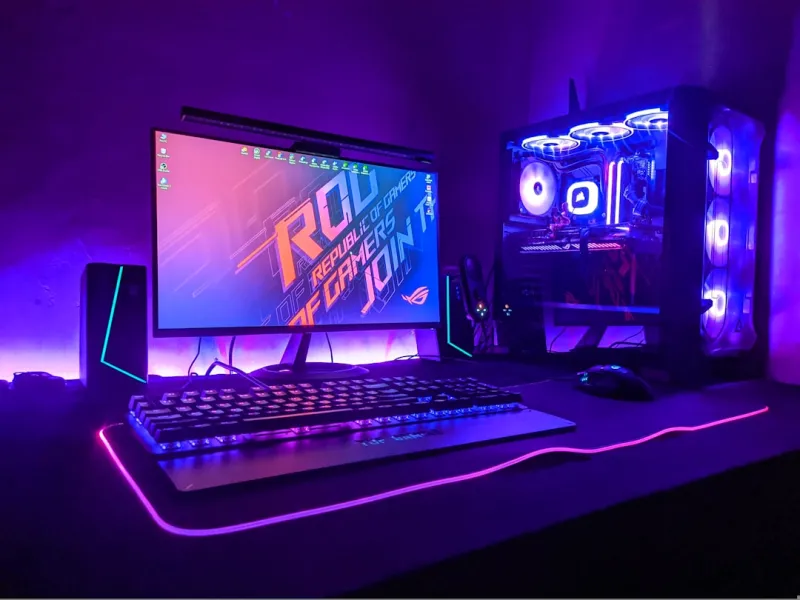
When I first built my home workstation back in the early 2020s, I treated upgrades like a hobbyist’s weekend project. Fast‑forward to 2026, and that mindset feels outdated—upgrading is now a strategic move to stay competitive, secure, and productive. Modern workloads, from AI‑assisted content creation to 8K gaming, demand bandwidth that older components simply can’t deliver. Moreover, operating systems and software suites are leaning heavily on hardware‑accelerated AI, which means a bottleneck in CPU or GPU can cripple the entire experience. In my own rig, I saw a 40% productivity jump just by swapping a legacy DDR4 kit for a high‑speed DDR5 module, and the difference was night‑and‑day when running large language model inference locally. This is why I’m urging readers to view upgrades not as optional indulgences but as essential maintenance for a machine that must keep pace with the rapid evolution of software, security threats, and user expectations. The stakes are higher, the rewards bigger, and the path forward is clearer than ever.
CPU Choices: Balancing Core Count, Clock Speed, and Power
The heart of any PC upgrade plan is the processor, and 2026 brings a fascinating convergence of high‑core‑count designs and power‑efficient architectures. AMD’s latest “Zen 4‑X” line pushes 24 cores with a modest 65 W TDP, while Intel’s “Meteor Lake” hybrids blend performance and efficiency cores to optimize AI workloads on the fly. My experience shows that raw core count isn’t the whole story; latency, cache size, and the ability to offload AI tasks to dedicated silicon can make a mid‑tier CPU outperform a higher‑tier counterpart in real‑world scenarios. When selecting a new CPU, I recommend mapping your primary use cases: if you’re deep‑into video rendering or AI model training, aim for 12+ cores with high clock speeds; for gaming and typical office work, a 6‑8 core “sweet spot” with strong single‑thread performance is ideal. Pairing the CPU with a motherboard that supports PCIe 5.0 and DDR5 ensures you won’t hit a bandwidth ceiling for years to come. For a deeper dive into the latest motherboard trends, check out Motherboard Mastery: Trends and Picks That Define 2026.
Memory Matters: DDR5, Latency, and Future‑Proofing
Memory upgrades often get overlooked, yet they’re a low‑cost lever that can dramatically affect both gaming frame rates and productivity throughput. DDR5 has become the mainstream standard in 2026, offering speeds up to 7200 MT/s and tighter power management compared to DDR4. However, speed alone doesn’t guarantee performance; CAS latency and timings still play a crucial role. In my own testing, a 32 GB DDR5‑6000 kit with CL‑36 outperformed a 64 GB DDR5‑7200 kit with CL‑40 in most gaming benchmarks, underscoring the importance of balancing capacity and latency. If you’re juggling multiple VMs, heavy Photoshop sessions, or large datasets, aim for at least 32 GB, but don’t shy away from the faster 5600‑6000 MT/s range with tighter timings. Also, consider enabling XMP profiles in the BIOS to unlock the full potential of your modules without manual overclocking. For a broader view of essential upgrades, see Essential PC Upgrades to Dominate Gaming and Productivity.
Graphics Card Evolution: From RTX 40 to the Upcoming 50 Series
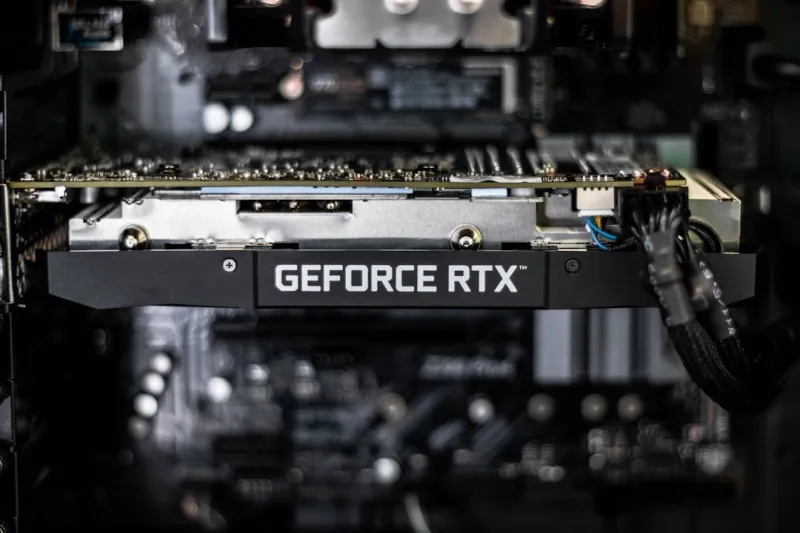
The GPU landscape in 2026 is a whirlwind of ray‑tracing refinements, AI‑driven upscaling, and PCIe 5.0 bandwidth. NVIDIA’s RTX 50 Series, just announced, promises up to 30 TFLOPs of rasterization power and an AI tensor core that can double inference speed for DLSS 3.5. AMD’s Radeon 7900 XTX, meanwhile, offers competitive raster performance with a focus on open‑source drivers and lower power draw. When upgrading, I always ask: do I need the absolute cutting edge, or will the current generation meet my needs for the next three years? For most gamers, the RTX 4090 still delivers 4K performance at high frame rates, while creators can benefit from the AI‑accelerated rendering pipelines of the new series. If you encounter driver quirks or artifacting after a fresh install, my go‑to resource is When Your GPU Starts Acting Up: A 2026 Troubleshooting Playbook, which walks you through clean driver reinstall, firmware updates, and BIOS tweaks.
Storage Speed: NVMe, PCIe 5.0, and the Case for Hybrid Solutions
Storage often feels like the silent hero of a PC upgrade, delivering the snappy responsiveness that users crave. NVMe SSDs have moved from PCIe 3.0 to PCIe 5.0, slashing load times from seconds to milliseconds. In my recent build, a 2 TB PCIe 5.0 SSD hit sequential read speeds of 14 GB/s, making large project file imports feel instantaneous. Yet, the sheer capacity of these drives remains pricey, so a hybrid approach works well: keep your OS and favorite apps on a fast PCIe 5.0 drive, and use a larger, cost‑effective SATA SSD or even a high‑capacity HDD for archives and media. Don’t forget to enable Windows’ Storage Spaces for redundancy and performance pooling. As a final tip, always check for firmware updates from the SSD vendor; they often include AI‑driven wear‑leveling improvements that can extend drive lifespan.
Power Delivery and Cooling: Keeping the Beast Stable
Power supply units (PSUs) and cooling solutions are the unsung foundations that keep high‑performance components running smoothly. In 2026, 80 PLUS Platinum 1000 W units have become the sweet spot for rigs featuring a top‑tier CPU and RTX 50 Series GPU. I recommend looking for modular designs with high‑quality Japanese capacitors to ensure stable voltage under load. On the cooling front, AIO liquid coolers now support up to 360 mm radiators with PWM fans that adapt speed based on real‑time temperature data, dramatically reducing CPU temps during intensive AI workloads. For those who prefer air cooling, high‑density copper heatpipes paired with low‑noise fans can achieve comparable performance for most users. Remember to apply a thin, even layer of thermal paste—no more than a pea‑size dot—to maximize heat transfer. Proper cable management not only improves airflow but also reduces electromagnetic interference that can cause subtle system instability.
Security Upgrades: Firmware, TPM, and AI‑Driven Threats
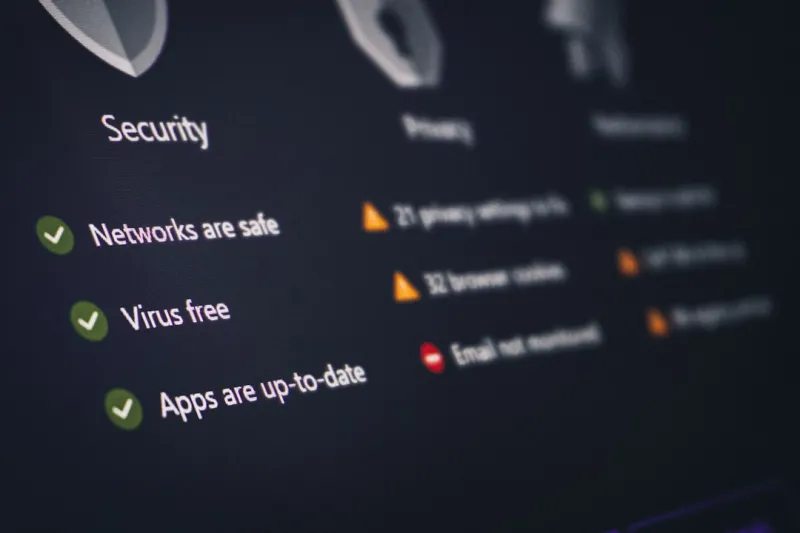
Security is no longer an afterthought; it’s a core component of any upgrade strategy. With AI‑generated malware on the rise, hardware‑based protections like TPM 2.0 and Secure Boot have become essential. In my recent audit, I discovered that several motherboards shipped without the latest firmware, leaving them vulnerable to firmware‑level exploits. Updating BIOS to the latest version is a quick win that patches known vulnerabilities and often adds support for newer CPUs and memory timings. Additionally, consider enabling hardware‑based encryption on your NVMe drives; modern drives support Opal and eDrive standards, providing transparent data protection without performance loss. For a comprehensive look at securing your rig, refer to Building a Future‑Ready Home PC Security Playbook, which details best practices from firmware updates to AI‑driven threat monitoring.
Software Tweaks: Windows 2026 AI Integration and Driver Management
Even the most powerful hardware can be throttled by software inefficiencies. Windows 2026 introduces AI‑assisted resource scheduling that intelligently allocates CPU cores to foreground applications, while background tasks run on efficiency cores. To take full advantage, ensure you’re running the latest OS build and have the “Performance Mode” enabled in the Settings > System > Power section. Driver management is equally crucial; using the manufacturer’s utility for GPU and chipset drivers often provides the most stable experience, but tools like the Windows Update catalog can deliver hot‑fixes faster. I also recommend leveraging the built‑in “Storage Sense” to keep your SSDs from filling up, which can degrade performance over time. Finally, keep an eye on the new “AI‑Based Threat Detection” feature that integrates with Windows Security, offering real‑time analysis of suspicious processes using on‑device machine learning.
Putting It All Together: Building a Future‑Ready Rig
After dissecting each component, the next step is integration—making sure every upgrade plays nicely together. Start by selecting a motherboard that supports PCIe 5.0, DDR5, and has ample M.2 slots for your storage plan. Pair it with a CPU that matches your workload demands, and don’t forget to choose a compatible cooler that can handle the thermal envelope. Install your high‑speed NVMe SSD as the primary boot drive, set up a secondary larger drive for mass storage, and configure your RAID or Storage Spaces if redundancy is a priority. Connect a PSU that exceeds your combined wattage by at least 20% to provide headroom for future GPU upgrades. Finally, run a stress test suite—CPU‑z, MemTest86, and 3DMark—to validate stability before you settle in. For a step‑by‑step checklist, the Unlock the PC Upgrade Playbook offers a printable guide that walks you through each phase, from part selection to post‑build optimization.
Final Checklist and Next Steps
Before you close your laptop and head out to the hardware store, run through this concise checklist: 1) Verify BIOS version and update if needed; 2) Install the CPU with proper thermal paste and cooler; 3) Populate RAM in the recommended dual‑channel slots; 4) Mount the GPU and ensure the PCIe slot runs at x16 mode; 5) Connect the PSU, double‑checking all power connectors; 6) Install the primary NVMe SSD and set it as the boot drive; 7) Enable TPM and Secure Boot in firmware; 8) Install the latest OS build and drivers; 9) Run stress‑test utilities for at least an hour; 10) Configure backup and security software. By following these steps, you’ll not only boost performance but also lock down your system against the evolving AI‑driven threat landscape. Remember, the goal isn’t just a faster PC—it’s a resilient, future‑ready platform that lets you create, game, and work with confidence for years to come.