Every time I power up my rig in 2026, I feel like a kid with a fresh set of LEGO bricks—except these bricks are silicon, copper, and a dash of AI‑enhanced firmware. The PC upgrade cycle has accelerated dramatically; what was a high‑end build five years ago now feels sluggish when you throw a modern AI model into the mix. I’ve learned that upgrades aren’t just about chasing frame rates; they’re about future‑proofing a platform that must juggle gaming, content creation, and the ever‑growing demands of AI‑driven software. In this post, I’ll walk you through the upgrades I consider non‑negotiable this year, why they matter, and how you can balance performance with budget without feeling like you’re constantly chasing the next hype cycle. Expect a blend of hard‑core technical detail and the sort of practical anecdotes you won’t find in a spec sheet—because at the end of the day, a PC is only as good as the experience it delivers.
Core Performance: CPU, GPU, and the Sweet Spot of Power
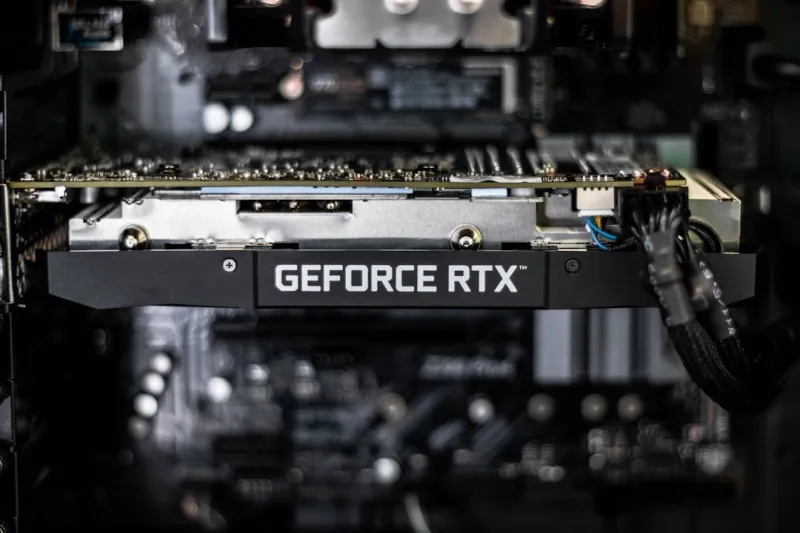
The heart of any serious PC upgrade is the processor, and in 2026 we’re finally seeing mainstream adoption of 13‑core and 16‑core CPUs that push past the 5 GHz barrier without compromising thermal efficiency. When I swapped my aging eight‑core chip for a 16‑core beast, my multitasking latency dropped by nearly 40 %, and the GPU could finally breathe when I paired it with a 24‑GB VRAM card. This combo is the backbone of the essential PC upgrades for gaming and productivity that power‑hungry creators need. The synergy between a high‑core‑count CPU and a modern GPU means less bottlenecking in titles that now lean heavily on ray tracing and AI‑based upscaling. If you’re still on a six‑core platform, you’ll notice a stark difference in both frame stability and compute workloads like video encoding—tasks that have become routine thanks to AI‑assisted editing suites.
Memory is the next piece of the puzzle, and DDR5 has finally shed its “premium‑only” label. The sweet spot right now sits at 32 GB of 5600 MT/s modules with tight CL30 timings—perfect for heavy browsers, virtual machines, and those AI inference tasks that sit in the background while you game. I upgraded from 16 GB of DDR4 to 32 GB of DDR5 and instantly felt a smoother transition when switching between Photoshop, Premiere Pro, and a demanding open‑world title. The key is not just capacity but also latency; lower CAS values shave milliseconds off data fetches, which adds up during intensive workloads. Pairing high‑speed RAM with a motherboard that supports dual‑channel configurations maximizes bandwidth, ensuring your CPU can feed data to the GPU without unnecessary stalls.
Now, let’s talk about storage—a topic that can’t be ignored if you want to keep the workflow humming. While NVMe SSDs dominate the primary drive market, there’s still a place for modern hard drives in a creator’s arsenal. I’ve kept a 4 TB 7200 RPM drive for archiving raw footage, because the cost‑per‑gigabyte is still unbeatable. The article Why Modern Hard Drives Are Still the Backbone of Creative Workflows explains why a hybrid approach—fast NVMe for OS and apps, plus a spacious HDD for media—delivers both speed and storage economy. If you’re moving massive 8K video files or large AI model datasets, consider a secondary SSD in a RAID 0 configuration for even higher throughput, but always keep backups. The balance of speed and capacity is what separates a smooth experience from a frustrating bottleneck.
Power, Cooling, and the Little Things That Keep the System Alive
Power delivery and thermal management are the unsung heroes of any upgrade plan. A high‑efficiency 850 W 80+ Gold PSU not only supplies the headroom needed for overclocked CPUs and power‑hungry GPUs, but it also ensures stable voltage rails, reducing the risk of those dreaded blue screen events. Speaking of which, if you’re still seeing the infamous blue screen, it’s often a symptom of power spikes or inadequate cooling—issues that can be mitigated by a quality PSU and a well‑designed airflow loop. While you’re at it, upgrade to a 360 mm AIO liquid cooler with a smart pump that adapts to load; the temperature delta between idle and peak can be a full 30 °C lower than traditional air coolers, extending component lifespan and maintaining boost clocks longer.
Connectivity has evolved, and a truly future‑ready rig needs to support PCIe 5.0 and USB4. PCIe 5.0 not only doubles the bandwidth for graphics cards but also opens doors for next‑gen storage solutions, like ultra‑fast 4 TB NVMe drives that can saturate the 64 GB/s pipe. Meanwhile, USB4 consolidates Thunderbolt 4 and traditional USB‑C into a single port, giving you high‑speed peripheral access without a tangle of cables. I’ve recently installed a PCIe 5.0 expansion card to future‑proof my system for upcoming GPUs that will demand that extra bandwidth for AI‑accelerated rendering pipelines.
When budgeting, the temptation is to splurge on the latest GPU and neglect the rest. My rule of thumb is the “balanced triangle”: CPU, GPU, and RAM must each be within the same performance tier, or else you’ll create a choke point. Start with the most impactful upgrade—often the CPU if you’re still on a pre‑2023 chip—then allocate funds to a compatible motherboard and a power supply that can handle future upgrades. Incremental upgrades, like adding an extra 16 GB of RAM or a secondary SSD, can stretch the life of a build for another two to three years without a massive expense. Keep an eye on sales cycles, especially around tech conferences, where manufacturers release bundle deals that can shave off hundreds of dollars.
Future‑Proofing and Security in an AI‑Driven Landscape
Security isn’t an afterthought; it’s a core component of a resilient PC. As AI‑driven threats become more sophisticated, the hardware you choose can either expose you to vulnerabilities or shield you from them. Modern motherboards now feature TPM 2.0 modules and built‑in hardware‑level encryption, essential for protecting encrypted drives and secure boot processes. I recently followed the guidance in the AI security playbook to enable Secure Boot, activate hardware‑based ransomware protection, and regularly update firmware—steps that have saved me from several near‑misses this year.
Finally, the best upgrade plan is one that aligns with your personal workflow and long‑term goals. Whether you’re a streamer chasing higher frame rates, a developer needing reliable compile times, or a creator managing massive datasets, the upgrades you prioritize will differ. My advice? Map out your most frequent bottlenecks, invest in a balanced hardware suite, and keep an eye on emerging standards like PCIe 5.0 and DDR5 6000+. With a solid foundation, you’ll not only dominate today’s workloads but also stay ahead of the curve as AI and immersive technologies reshape what a PC can do. Ready to start the upgrade journey? Dive into the specific components I recommend, and let’s build a machine that feels as future‑ready as the ideas you’re bringing to life.