When I first dove into networking back in the early 2000s, the biggest headache was coaxial cables and a single‑router bottleneck. Fast‑forward to 2026, and the landscape feels more like a living organism—pulsing with IoT devices, edge‑compute nodes, and bandwidth‑hungry workflows that demand sub‑millisecond latency. For power users, the network is no longer a utility; it’s the backbone of every creative, development, and gaming session. I’ve spent countless nights tweaking settings, and what I’ve learned is that a solid network architecture can shave seconds off compile times, eliminate lag in competitive titles, and keep video streams buttery‑smooth even when multiple 8K streams run simultaneously. This shift is why I’m writing this deep dive: to help you treat networking with the same reverence you give to your CPU and GPU, ensuring that every packet travels the optimal path and that your digital playground never feels constrained.
One of the most common misconceptions among seasoned builders is that a “good enough” Wi‑Fi router will carry the day. In reality, the bottleneck often hides in legacy standards, mismatched channel plans, or poorly terminated Ethernet runs. Wi‑Fi 7 is finally mainstream in 2026, delivering up to 30 Gbps in ideal conditions, but only if you pair it with properly shielded Cat 8 cabling and a well‑designed mesh layout. I’ve watched friends wrestle with spotty connections simply because they left a half‑finished Ethernet cable dangling behind a desk. The lesson? Treat cabling like you would any high‑performance component—measure, label, and test every run. Pair that with a router that supports Multi‑Link Operation (MLO) and you’ll see a noticeable drop in jitter, which translates directly to smoother video calls, faster file transfers, and more reliable cloud‑backed development environments.
Designing a Future‑Ready Home Network
Before you even pull a single cable, start with a strategic site survey. Walk through every room, note where devices congregate, and map out potential interference sources like microwaves or cordless phones. I always draft a floor plan that marks Wi‑Fi‑dense zones and earmarks spots for wired backhaul. This approach mirrors the methodology described in designing a future‑ready home network, where a systematic layout can prevent the dreaded “dead spots” that plague even the most expensive hardware. By positioning a primary router centrally and using high‑capacity mesh nodes strategically, you can ensure a seamless handoff for mobile devices while keeping latency low for stationary workstations.
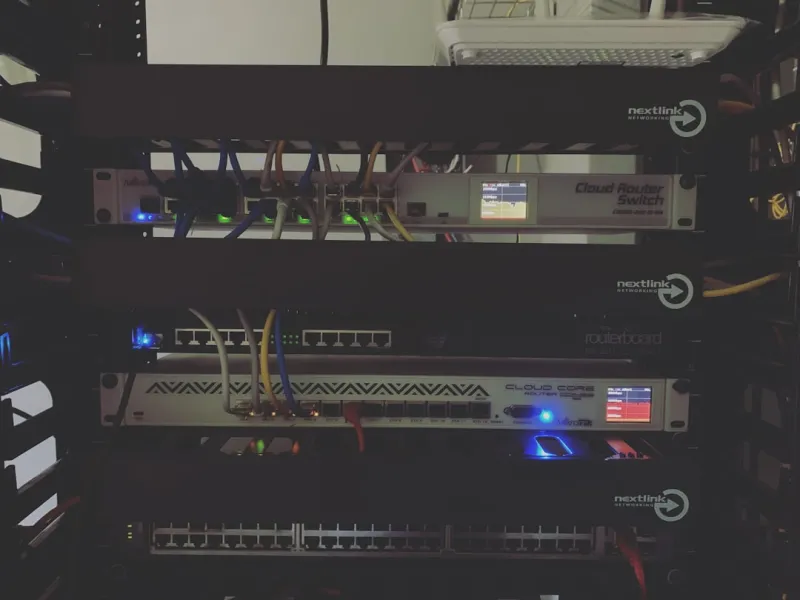
The hardware selection phase is where many power users get excited—and occasionally overwhelmed. A tri‑band Wi‑Fi 7 router with a 10 Gbps WAN port sets the stage, but you’ll also want a managed PoE‑switch that supports 802.3bt for future‑proofing high‑power devices like Wi‑Fi 6E access points or mini‑PCs. VLAN support is essential for segmenting traffic—keep your smart home devices on a separate VLAN from your development machines to avoid security bleed‑through. If you’re looking for a concrete guide, the article future‑proof your network breaks down the exact specifications that make a switch “future‑ready,” from 2.5 GbE uplinks to modular stacking capabilities.
Security in a modern home network can no longer be an afterthought. While WPA3‑Enterprise is a given for any power‑user router, I also recommend implementing a hardware firewall that supports IPS/IDS and zero‑trust policies. A separate VLAN for guest traffic, combined with DNS‑filtering services, dramatically reduces the attack surface. For those who love a challenge, consider integrating a small, dedicated server running OpenWrt or pfSense—this gives you granular control over packet shaping, QoS, and even custom scripts that automatically isolate compromised devices. Remember, a robust security posture not only protects data but also preserves network performance by preventing malicious traffic from hogging bandwidth.
Advanced Strategies to Keep Your Network Ahead of 2026 Trends
Automation is the secret sauce that separates a good network from a great one. I’ve been integrating AI‑driven monitoring tools that parse NetFlow, sFlow, and SNMP data in real time, flagging anomalies before they become outages. These platforms can automatically adjust QoS policies, reroute traffic, and even provision new VLANs when a new device is detected. The result is a self‑healing network that adapts to the ever‑changing demands of cloud‑based development pipelines, high‑resolution streaming, and multiplayer gaming sessions. If you’re not yet comfortable with AI, start small: set up alerts for bandwidth spikes and use simple scripts to rebalance traffic during peak hours.
Looking ahead, we’re on the cusp of Wi‑Fi 8 and early 6G trials, but you don’t need to wait for those standards to future‑proof today. Invest in modular hardware that can accept firmware upgrades for upcoming protocols, and keep an eye on emerging standards like IEEE 802.11be. The same principle applies to cabling—Cat 8 isn’t just for 40 Gbps; it also offers superior shielding against electromagnetic interference, a boon when you start stacking multiple high‑throughput devices in the same rack. By building a network with upgrade paths in mind, you avoid costly overhauls and ensure that when the next wave of technology arrives, you’ll be ready to ride it.
Maintenance is often overlooked, but it’s the glue that holds everything together. Schedule quarterly firmware updates for your router, switch, and access points; these often contain critical security patches and performance tweaks. Use a centralized configuration backup system—something as simple as a nightly rsync to a secure NAS can save hours of re‑configuration after a hardware failure. I also recommend documenting every network change in a version‑controlled repository; this practice, borrowed from software development, provides a clear audit trail and makes rollback painless if a new setting causes instability.
In the end, building a future‑ready home network is less about buying the most expensive gear and more about adopting a disciplined, forward‑thinking mindset. Treat each component as part of an ecosystem, plan for scalability, and automate wherever possible. When you combine a solid physical foundation with intelligent software layers, you’ll experience a network that feels invisible—working tirelessly in the background while you focus on creation, competition, and collaboration. If you’ve enjoyed this deep dive, check out our other posts on power‑user hardware and security strategies; they’ll give you the extra edge you need to stay ahead of the curve in 2026 and beyond.