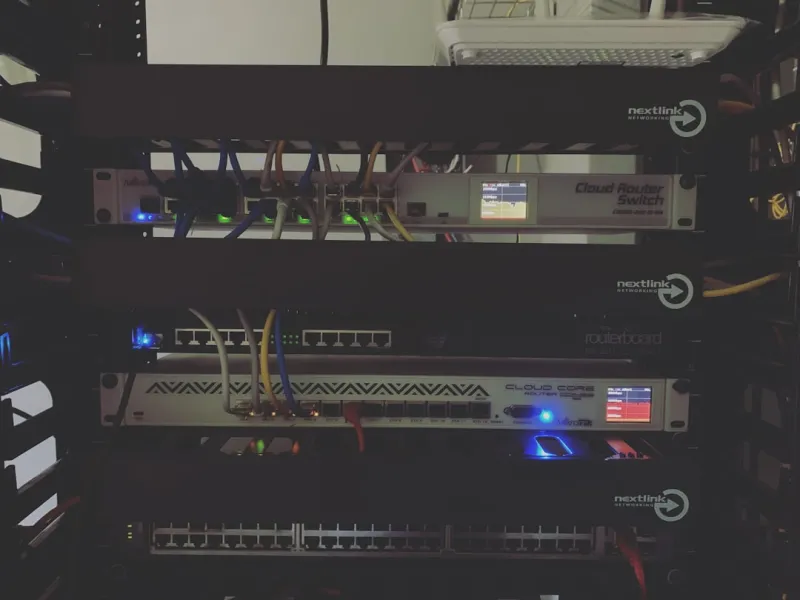
When I first set up a home lab back in the early 2020s, I never imagined the sheer velocity at which networking would evolve. Fast forward to 2026, and the line between “home” and “enterprise” has blurred into a seamless tapestry of gigabit Wi‑Fi, multi‑gigabit wired backbones, and AI‑enhanced traffic shaping. My perspective as a power‑user means I’m constantly juggling latency‑critical gaming, 8K streaming, and a growing fleet of smart devices—all while keeping my data safe from increasingly sophisticated threats. In this deep dive, I’ll walk you through the most critical trends shaping modern computer networking, why they matter to the power‑user community, and how you can future‑proof your setup without breaking the bank. Expect a mix of hardware recommendations, software tricks, and strategic insights that you won’t find in a typical consumer guide.
Embracing the New Wave of Wireless Standards
One of the biggest shifts in 2026 is the rapid adoption of Wi‑6E and the emerging Wi‑7 standard, which push the usable spectrum into the 6 GHz band and introduce ultra‑low latency modes for AR/VR workloads. For a power‑user, the practical upshot is a noticeable reduction in jitter when streaming high‑resolution content or participating in competitive online gaming. Pairing a Wi‑7‑compatible router with a mesh system that supports seamless handoffs ensures you maintain a solid connection even as you move between rooms or floors. Strategically placing access points near high‑traffic zones—like your home office or entertainment hub—maximizes coverage while minimizing interference from neighboring networks. Don’t forget to enable WPA3‑Enterprise where possible; it offers stronger encryption than the legacy WPA2 and helps guard against the ever‑growing wave of AI‑driven attacks.
AI‑Powered Threats and the Encryption Imperative
Artificial intelligence isn’t just a buzzword for accelerating graphics pipelines; it’s also reshaping how malware infiltrates networks. AI‑driven ransomware can now scan your entire topology in seconds, identifying vulnerable IoT devices or misconfigured ports. That’s why a defense‑in‑depth approach is essential—one that starts with robust encryption and ends with continuous monitoring. Power‑users should consider moving beyond default router firewalls and adopt a zero‑trust model, segmenting traffic into VLANs based on device role. For instance, keep your work laptop on a separate VLAN from your smart thermostat and gaming console. If you’re curious about practical tactics for staying ahead of AI‑crafted threats, check out How Power Users Can Outsmart AI‑Driven Malware in 2026 for a step‑by‑step guide that blends open‑source tools with commercial solutions.
Hardware Choices That Unlock Real Performance
Network Interface Cards (NICs) have transformed from simple Ethernet ports into sophisticated offload engines. Modern 10 GbE and 25 GbE NICs now include TCP/UDP offload, RDMA, and even built‑in AI accelerators for packet inspection. Pairing these cards with a dedicated Data Processing Unit (DPU) can offload encryption workloads, freeing your CPU for compute‑heavy tasks like video rendering or AI model training. I’ve swapped out my older 2.5 GbE adapters for a dual‑port 10 GbE NIC, and the difference in file transfer speeds across my NAS is night‑and‑day. When selecting hardware, pay attention to driver support for your operating system—Windows 2026’s native DPU drivers have already matured, delivering lower latency and better power efficiency.
Software‑Defined Networking (SDN) for the Home Lab
SDN isn’t just for data centers anymore. Open‑source platforms like OpenWrt and OPNsense let you program your home router as if it were a mini‑controller, automating traffic prioritization and QoS policies with simple scripts. Imagine a scenario where your router detects a large file upload from your workstation and automatically throttles background IoT traffic to preserve bandwidth for latency‑sensitive gaming. By leveraging APIs, you can integrate network telemetry with popular monitoring tools such as Grafana, creating dashboards that visualize per‑device throughput, packet loss, and even AI‑detected anomalies. This level of visibility is priceless for a power‑user who refuses to let “network lag” become a scapegoat for performance complaints.
Blueprint for a Future‑Proof Network
When I built my current setup, I followed the guidelines laid out in The Next‑Level Networking Playbook Every Power User Needs. The key takeaway? Invest in cabling that can outlast your hardware refresh cycle. Cat 8 cable, with its 40 Gbps rating, may seem overkill today, but it ensures that when you upgrade to 40 GbE or even 100 GbE NICs in the next few years, you won’t need to re‑run wires. Additionally, consider hybrid fiber‑copper links for back‑bone connections between your server rack and primary router—this provides both speed and electromagnetic immunity. Don’t overlook power delivery: high‑performance switches often require PoE + or even PoE++ to power Wi‑Fi 6E access points, eliminating the need for separate power adapters and decluttering your rack.
Optimizing the Home Network for Real‑World Use
Even the most sophisticated hardware can falter without proper configuration. Begin by disabling legacy protocols such as UPnP and LLMNR, which are notorious hunting grounds for attackers. Next, enable DNSSEC and configure your router to use encrypted DNS (DoH or DoT) to protect against spoofing. For those who love to tinker, the Unlocking the Full Potential of Your Home Network in 2026 guide walks you through advanced settings like BSS coloring and MU‑MIMO tuning—features that dramatically improve throughput in dense environments. Finally, schedule regular firmware updates for all networking gear; manufacturers are now releasing patches that address AI‑driven exploit vectors far more quickly than in previous years.
Balancing Performance, Security, and Cost
Power‑users often face a triad dilemma: how to maximize speed, tighten security, and stay within budget. The solution lies in modular upgrades. Start with a solid foundation—reliable, high‑quality cabling and a capable router—then layer on incremental enhancements like a 10 GbE switch or a DPU‑enabled NIC when the need arises. Keep an eye on emerging standards; for example, the upcoming 802.11be “Wi‑Fi 7” promises multi‑gigabit wireless speeds that could eventually replace many wired links in home environments. By planning upgrades around these roadmaps, you can avoid premature obsolescence and stretch each dollar further. Remember, the ultimate goal isn’t just raw speed; it’s a resilient, adaptable network that empowers your productivity and protects your digital life.
Final Thoughts: Your Network as a Living System
In 2026, a modern network is as much a software platform as it is a collection of cables and radios. Treat it like a living system: monitor, iterate, and secure it continuously. By embracing next‑gen Wi‑Fi, leveraging AI‑aware security practices, and investing in scalable hardware, you’ll stay ahead of the curve and enjoy a frictionless digital experience. Whether you’re streaming 8K content, running AI workloads, or simply browsing the web, a well‑architected network can be the difference between frustration and flow. So roll up your sleeves, dive into the resources linked above, and start building the resilient, high‑performance network you deserve.