When I first dove into computer networking back in the early 2010s, the biggest headache was coaxial cable and a clunky router that barely pushed 300 Mbps. Fast forward to 2026, and the landscape has exploded into a hyper‑connected tapestry where gigabit Wi‑Fi, AI‑driven traffic shaping, and zero‑trust architectures are the norm—not the exception. As a power user who spends as much time tweaking mesh nodes as I do writing code, I’ve learned that a network isn’t just a pipe; it’s a living system that demands continuous calibration. In this post, I’ll walk you through the most critical upgrades, the hidden pitfalls that even seasoned pros overlook, and a handful of battle‑tested strategies that will keep your home or small‑office network humming at peak performance for years to come. Whether you’re streaming 8K video, running containerized AI workloads, or simply refusing to settle for “good enough,” the concepts below will help you transform your network from a basic utility into a strategic advantage.
Embrace the New Wi‑6E and Wi‑7 Spectrum
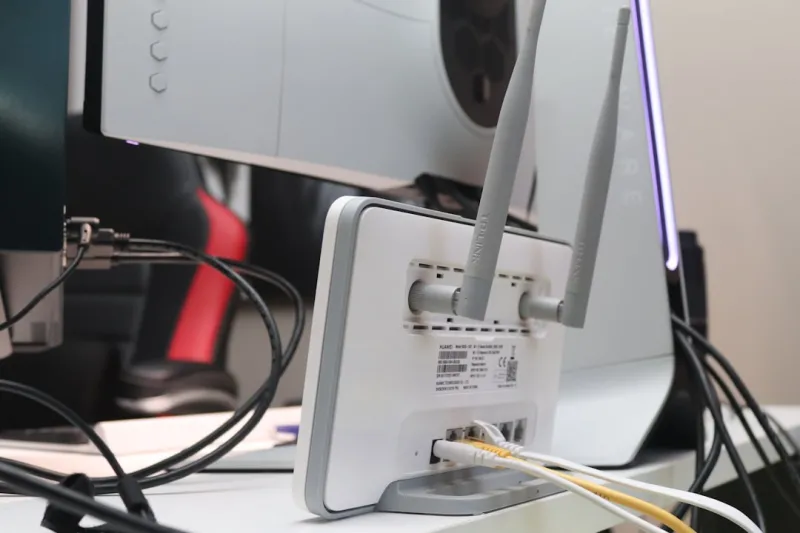
The most visible change in 2026 is the rapid adoption of Wi‑6E and the emerging Wi‑7 standards. These protocols unlock the 6 GHz band, offering dramatically lower latency and wider channels that can handle multiple 4K streams plus a handful of VR sessions without breaking a sweat. The key takeaway? Don’t just upgrade your router—upgrade every endpoint. Modern laptops, smartphones, and even many IoT hubs now ship with Wi‑6E radios, but the older devices can become bottlenecks. I recommend a phased rollout: start with a Wi‑6E‑compatible core router, then replace legacy access points with dual‑band units that can fall back gracefully when older devices are on the network. Keep an eye on the emerging Wi‑7 certification; early adopters are already reporting 30 % higher throughput in congested environments, especially when paired with 12‑stream MU‑MIMO configurations. Remember, the wireless spectrum is finite, so proper channel planning and power settings are essential to avoid self‑inflicted interference.
Mesh Architecture: From Convenience to Control
Mesh networking used to be a marketing buzzword, but today it’s a cornerstone of any resilient home setup. A well‑designed mesh can eliminate dead zones, balance load automatically, and provide seamless roaming for devices that move between rooms—a must‑have for gamers who sprint from the living room to the bedroom mid‑session. My go‑to configuration involves a dedicated backhaul band (typically 5 GHz) that links the primary node to satellite units, leaving the 2.4 GHz and 6 GHz bands free for client traffic. This separation prevents the backhaul from eating into your usable bandwidth. If you’re wondering where to start, check out the guide on mastering the modern home network. The article walks through node placement, firmware considerations, and why a unified management console (often provided by the vendor) can save you hours of manual tweaking.
Segmentation with VLANs: The Power‑User’s Firewall Inside the Network
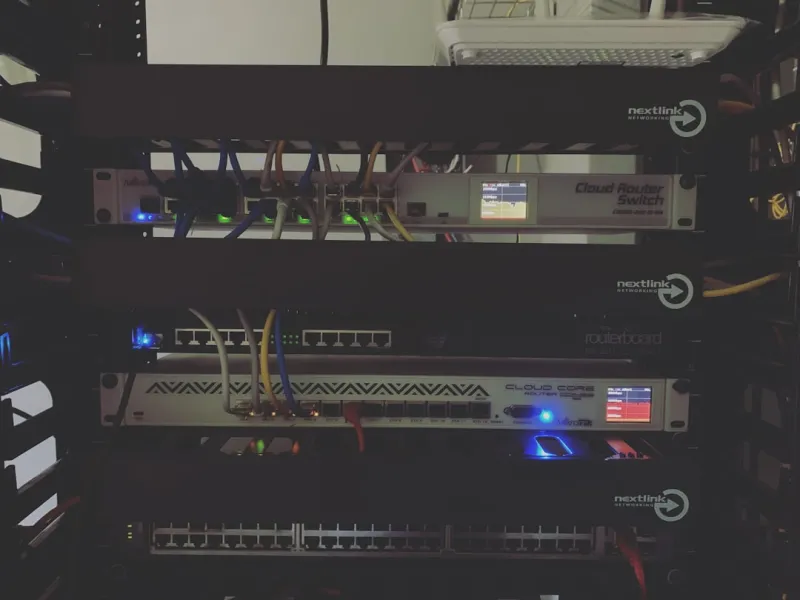
Even the most secure router can’t protect you from lateral movement if everything sits on a single flat network. VLANs (Virtual LANs) let you slice your physical LAN into logical segments—one for work devices, another for gaming rigs, a third for IoT appliances, and perhaps a fourth for guest traffic. In 2026, most managed switches support 802.1Q tagging out of the box, and many home‑grade routers now include a built‑in VLAN manager. The trick is to keep the configuration simple: assign each VLAN a unique subnet, apply ACLs (Access Control Lists) at the router level, and route inter‑VLAN traffic only when absolutely necessary. For example, keep your smart thermostat on a separate VLAN from your development workstation; this isolates potential vulnerabilities and reduces the attack surface. If you need a deep dive into how to set this up without turning your living room into a server farm, the “future‑proof your network” article provides step‑by‑step instructions and a handy diagram.
AI‑Driven Traffic Management and Edge Computing
Artificial intelligence isn’t just for data centers; it’s now embedded in many consumer‑grade routers, offering real‑time traffic classification and QoS (Quality of Service) adjustments. In 2026, AI engines can identify a video conference, a game stream, or a large file sync and automatically prioritize the appropriate packets. This dynamic approach beats static QoS tables, which often require manual tuning that quickly becomes outdated. Moreover, edge computing devices—tiny, low‑power servers that sit on your LAN—can offload AI inference tasks, such as local video transcoding or real‑time intrusion detection, reducing latency and preserving privacy. Pair a modest Intel NUC or a Raspberry Pi 5 with a GPU accelerator, and you’ve got a personal AI edge node. If you want to explore how AI can boost both performance and security, my piece on AI computing for power users breaks down hardware options, software stacks, and real‑world use cases.
Beyond the Firewall: Zero‑Trust at the Edge
Traditional firewalls are still valuable, but they’re no longer sufficient on their own. The modern threat landscape in 2026 demands a zero‑trust mindset, where every device, user, and service must prove its identity before gaining access. This means deploying certificate‑based authentication, continuous device health checks, and micro‑segmentation at the switch level. Tools like WireGuard and OpenZiti allow you to create encrypted tunnels for specific applications without routing all traffic through a VPN hub. I’ve integrated device‑based policies that automatically quarantine any new IoT gadget until it passes a firmware integrity scan. For a deeper look at implementing these concepts, see “beyond the firewall,” which outlines the software stack, policy creation, and monitoring best practices that keep even the most sophisticated adversaries at bay.
Fiber and 10 GbE: Future‑Proofing Bandwidth at Home
While Wi‑6E and Wi‑7 handle wireless demands, many power users still crave the raw, deterministic performance of wired connections. In 2026, fiber‑to‑the‑home (FTTH) has become mainstream in many metro areas, offering symmetric 1 Gbps or even 5 Gbps connections. Pair that with a 10 GbE switch, and you have a backbone capable of supporting multiple 4K streams, high‑speed NAS transfers, and GPU‑cluster workloads without a hiccup. The cost of 10 GbE NICs and SFP+ modules has dropped below $100, making the upgrade affordable for most enthusiasts. When planning, consider a dual‑stack approach: keep the primary ISP feed on a fiber‑enabled router, then distribute the high‑speed link to a dedicated 10 GbE switch that feeds your workstation, NAS, and edge AI node. Don’t forget to use Cat6a or higher cabling to maintain signal integrity over longer runs; a cheap Cat5e cable will bottleneck your investment and cause unnecessary headaches.
IoT Device Management: Low‑Power Networks and Security Hygiene
The proliferation of smart bulbs, voice assistants, and security cameras has turned many homes into miniature IoT ecosystems. While convenient, each device adds a potential entry point for attackers. In 2026, the best practice is to isolate IoT traffic onto a dedicated low‑power network—often based on Thread or Zigbee—and then bridge that network to your main LAN through a hardened gateway. This gateway can enforce firmware signing checks, rate‑limit traffic, and log anomalies for later analysis. Additionally, enable WPA3‑Enterprise on any Wi‑Fi segment that hosts IoT devices, and avoid default credentials at all costs. Regularly scan your network with tools like nmap or the open‑source project Home‑Assistant’s network map to spot rogue devices. By treating IoT as a separate security domain, you reduce the risk that a compromised thermostat becomes a stepping stone to your critical data.
Monitoring and Automation: Turning Data into Action
A network that isn’t monitored is a network that’s blind to its own problems. In 2026, the open‑source monitoring stack has matured to the point where a single Raspberry Pi can run Prometheus, Grafana, and node_exporter to collect metrics from every switch, router, and server. Set up alerts for bandwidth spikes, packet loss, or unusual DNS queries, and let your automation scripts (often written in Python or PowerShell) remediate common issues automatically—think rebooting a flaky AP or re‑assigning a saturated VLAN. I also use NetBox as a source‑of‑truth for IP address management; it integrates nicely with Ansible, allowing me to push configuration changes across the network with a single command. The key is to keep the dashboards clean and the alert thresholds sensible; too many false positives will lead you to ignore real alerts, defeating the purpose of the whole system.
Actionable Checklist for the Modern Power‑User Network
To wrap up, here’s a concise, actionable checklist you can follow this weekend: 1) Upgrade your router to a Wi‑6E/7 model and enable automatic channel selection. 2) Deploy a mesh system with a dedicated 5 GHz backhaul, following the recommendations in the modern home network guide. 3) Create at least three VLANs—work, gaming, and IoT—and apply strict ACLs. 4) Install a 10 GbE switch and connect critical devices via Cat6a cabling. 5) Set up an edge AI node for local inference tasks, referencing the AI computing article for hardware choices. 6) Implement zero‑trust policies using WireGuard tunnels and certificate authentication, as outlined in beyond the firewall. 7) Enable comprehensive monitoring with Prometheus/Grafana and schedule weekly health checks. Follow these steps, and you’ll have a network that not only meets today’s demands but also scales gracefully into the future.