The Ever‑Accelerating Pace of PC Hardware in 2026
When I first started tinkering with motherboards in the early 2010s, the idea of a 12‑core processor felt like science fiction. Fast‑forward to 2026, and a mainstream desktop can wield 24 cores, 48 threads, and an integrated AI engine that would have required a separate accelerator just a few years ago. As a power‑user, I’ve learned that staying ahead isn’t just about chasing the biggest numbers; it’s about understanding how each component fits into the broader workflow. Whether you’re compiling massive codebases, rendering 8K video, or training lightweight neural nets, the hardware you choose today determines the ceiling of what you can achieve tomorrow. In this post, I’ll walk you through the most impactful hardware trends, share the pitfalls that still trip up seasoned builders, and give you a roadmap for a system that will stay relevant for years to come.
CPU Evolution: From Raw Clock Speed to Intelligent Core Management
The central processing unit remains the heart of any power‑user rig, but the metric that matters has shifted. In 2026, manufacturers are emphasizing heterogeneous core designs—mixing performance cores with efficiency cores—to deliver bursty workloads without draining the power budget. This architecture mirrors what we’ve seen in mobile chips, but on a desktop scale, allowing you to run a heavy IDE compilation on the performance cores while background services glide along on efficiency cores. Dynamic scaling now extends beyond frequency; it includes intelligent cache sharing and on‑die AI accelerators that offload repetitive tasks. When selecting a CPU, prioritize models with robust boost algorithms, ample L3 cache, and support for the latest instruction sets like AVX‑512‑VNNI for AI workloads. Pairing this with a motherboard that offers granular power‑phase control ensures you can fine‑tune voltage curves for both performance and silence.
GPU & AI Acceleration: Harnessing the Dual Power of Graphics and Machine Learning
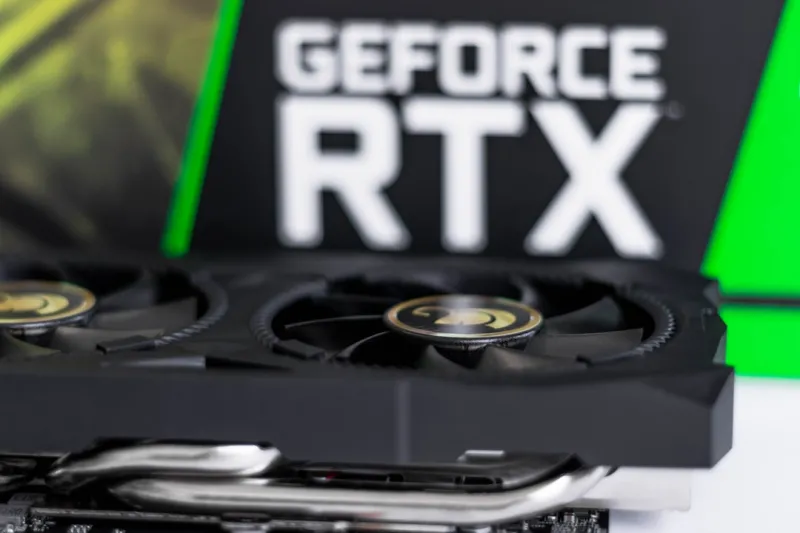
Graphics processing units have long been the go‑to for rendering, but in 2026 they’ve become hybrid workhorses. Modern GPUs now feature dedicated tensor cores and ray‑tracing units that can be leveraged for everything from deep‑learning inference to real‑time video encoding. For a power‑user, this means you can train a modest language model on a single desktop GPU or accelerate 3D simulations without a separate AI card. Look for GPUs with at least 16 GB of GDDR7 memory and PCIe 5.0 x16 bandwidth to avoid bottlenecks when shuffling large datasets. Additionally, the emergence of “smart” driver stacks that dynamically allocate compute resources based on workload can dramatically improve efficiency—just make sure you keep those drivers up to date to reap the benefits.
Memory Matters: DDR5, DDR6, and the RAM Troubleshooting Playbook
Memory is the silent partner that can make or break a high‑performance build. DDR5 has become the baseline in 2026, offering speeds up to 7200 MT/s, but the next wave—DDR6—is already on the horizon, promising sub‑300 ps latency and even higher bandwidth. For power‑users, the rule of thumb is “capacity first, speed second.” Running multiple VMs, containers, or large datasets benefits more from 64 GB or 128 GB of RAM than from a marginal speed gain. When you push memory to its limits, stability issues can surface. That’s why I keep the RAM troubleshooting playbook bookmarked—quick diagnostics like MemTest86+ runs and BIOS timing tweaks have saved me countless hours of downtime. Also, enable XMP profiles and verify that the motherboard’s memory controller is rated for the selected speed to avoid subtle errors that manifest as random crashes.
Storage Solutions: NVMe, PCIe 5.0, and the Quest for Longevity
When it comes to storage, speed is no longer a luxury; it’s a necessity. PCIe 5.0 NVMe SSDs now deliver sequential reads beyond 14 GB/s, slashing load times for massive game libraries and data‑intensive applications. However, speed comes with trade‑offs in endurance, especially on the lower‑cost TLC drives. As a power‑user, I recommend a tiered approach: a fast PCIe 5.0 drive for OS, apps, and active projects, paired with a higher‑capacity, endurance‑optimized SSD or even a SMR HDD for archival data. Pay attention to the drive’s TBW (terabytes written) rating and opt for models with power‑loss protection if you’re handling critical data. Also, enable the operating system’s TRIM and periodic health checks to keep the drive performing at its peak over years of heavy use.
Power Delivery and Cooling: Keeping the Beast Stable and Quiet
High‑performance components demand clean, stable power. In 2026, 80+ Platinum‑rated PSUs with modular designs are the norm, offering up to 1000 W with efficiency that minimizes heat output. Coupled with digital power controllers, you can fine‑tune voltage rails to match the exact needs of your CPU and GPU, reducing acoustic noise and extending component life. Cooling solutions have also matured; hybrid AIO coolers now combine liquid loops for the CPU with dedicated fans for VRMs, delivering sub‑30 °C temperatures under full load while maintaining a whisper‑quiet profile. For those who crave the ultimate silence, consider a custom loop with low‑resistance tubing and high‑flow radiators. Remember, thermal headroom is your safety net—if temperatures creep into the 80‑90 °C range, expect throttling and reduced longevity.
Motherboards & Connectivity: The Backbone of Future‑Proofing
A motherboard is more than a socket holder; it’s the central hub that determines upgrade paths. In 2026, the top chipsets support PCIe 6.0, USB4, and integrated Wi‑Fi 7, offering bandwidth that can handle multiple 8K displays and ultra‑fast external storage. When I’m building a power‑user machine, I look for boards with robust VRM phases—at least 14‑phase for high‑end CPUs—and ample M.2 slots with heatsinks to keep NVMe drives cool. The future‑proof hardware trends article dives deeper into why these features matter for longevity. Don’t overlook the importance of BIOS quality; a well‑written BIOS will give you granular control over memory timings, fan curves, and power limits, all of which are essential for squeezing out the last bit of performance without sacrificing stability.
Common Pitfalls: Blue Screens and Driver Nightmares
Even the most meticulously built rigs can encounter dreaded blue screens. In my experience, the majority stem from driver mismatches, BIOS incompatibilities, or over‑aggressive memory timings. The first step is to isolate the culprit: use Windows’ built‑in Event Viewer, check the minidump files, and cross‑reference the error codes with known issues. The blue screen troubleshooting guide provides a step‑by‑step approach that has helped me resolve everything from PCIe latency errors to hidden firmware bugs. Regularly updating GPU drivers, chipset firmware, and ensuring that the operating system’s kernel is patched are non‑negotiable habits. If you’re running multiple operating systems via dual‑boot, keep each environment isolated on its own drive to prevent cross‑contamination of driver stacks.
Action Plan: Building a System That Grows With You
Putting all these pieces together can feel overwhelming, but a systematic approach makes it manageable. Start by defining your primary workloads—gaming, AI development, video editing—and allocate budget accordingly: CPU and GPU for compute‑heavy tasks, abundant RAM for virtualization, and fast NVMe storage for quick file access. Choose a motherboard that supports the latest standards while offering backward compatibility for future upgrades. Install a high‑efficiency PSU, pair it with a hybrid cooling solution, and then meticulously test each component: run CPU stress tests, GPU benchmarks, and memory diagnostics before settling on final settings. Document your BIOS tweaks and keep firmware updates on a schedule. By treating your PC as an evolving platform rather than a one‑time purchase, you’ll enjoy consistent performance and avoid the costly “replace‑instead‑repair” cycle that plagues many power‑users.