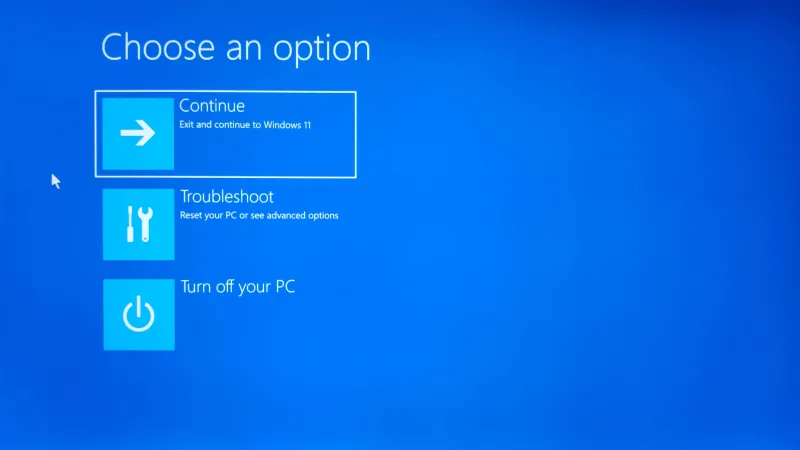
It was a rainy Tuesday in 2026 when my workstation erupted into the infamous blue void that every power user dreads. The screen flickered, the classic stop‑code scrolled across, and for a split second I felt my productivity melt away like a snowflake on a heater. I’ve lived through enough of those moments to know that a blue screen isn’t just a random glitch—it’s a symptom of deeper systemic stress. In this post I’ll walk you through the mental checklist I use after the panic subsides, and share the exact tools and habits that keep my rigs humming reliably. Think of it as a blend of forensic analysis and personal storytelling, where each step is backed by the latest 2026 Windows updates and hardware trends. By the end you’ll have a repeatable process that turns a dreaded crash into a quick diagnostic sprint, saving you hours of downtime and a lot of hair‑pulling.
Understanding the Core Triggers
Before you can cure a problem, you need to know what’s making it sick. In 2026 the three biggest culprits behind blue screens are driver conflicts, faulty memory, and storage subsystem failures. Drivers have become more sophisticated, often integrating AI‑assisted optimizations that can misfire when a new Windows patch lands. When the kernel detects an illegal operation, it halts to protect the system, flashing that ominous blue hue. Faulty RAM, on the other hand, manifests as random access violations that the OS can’t safely resolve. Even a single bad memory cell can cascade into a stop‑code that feels like a mystery. Finally, modern NVMe drives push gigabytes per second, but a sudden power dip or firmware bug can corrupt the I/O path, prompting Windows to pull the plug. Recognizing which category your crash falls into is the first line of defense, and it guides the rest of your troubleshooting journey.
Driver Hell and How to Tame It
In my experience, the most common blue screen trigger is a rogue driver that refuses to play nicely with the latest OS build. The first thing I do after a crash is open the Why Your PC Keeps Throwing Blue Screens—and How to Stop It guide to cross‑reference the stop‑code with known driver issues. I then launch Device Manager, filter by “hidden devices,” and hunt for any driver marked with a yellow exclamation point. If you spot a network adapter or graphics driver that hasn’t been updated in over a year, it’s a red flag. The safest route is to download the manufacturer’s latest stable release directly from their website—avoid third‑party aggregators that might bundle outdated binaries. After installing, I always run a quick “driver verifier” test to stress the new code; if the system stays stable for at least 30 minutes, I consider the issue resolved. This disciplined approach prevents the endless cycle of “install‑update‑crash” that haunts many users.
Memory Mayhem: When RAM Becomes a Liability
RAM is the unsung hero of any PC, but when it betrays you, the symptoms are dramatic. A single faulty module can cause random freezes, data corruption, and of course, the dreaded blue screen. I treat memory troubleshooting like a detective story: first, I run Windows Memory Diagnostic, then I move on to the more thorough Mastering RAM Troubleshooting: A Power‑User’s Step‑by‑Step Playbook. If the diagnostic flags errors, I power down, reseat the sticks, and test each module individually. In 2026, many kits now support “ECC on the consumer side,” which can auto‑correct single‑bit errors; if you have that option, enable it in BIOS. While you’re in the BIOS, double‑check that the memory frequency matches the XMP profile you’ve selected—mismatched timings can also provoke stop‑codes. By systematically isolating the offending stick, you eliminate a major source of instability and regain confidence that your system’s memory is truly reliable.
Storage Subsystem Stress: SSDs and NVMe Drives
Fast storage is a double‑edged sword. The same performance that makes my editing workflow seamless can also expose firmware bugs that lead to blue screens. I’ve found that a corrupted NVMe firmware or a failing NAND cell often throws error codes like “CRITICAL_PROCESS_DIED.” My routine begins with a full backup using a reliable cloning tool—never skip this step. Next, I run the manufacturer’s diagnostic utility; most SSD brands ship a bootable ISO that can scan for read/write errors without Windows interfering. If the tool reports “media error,” I schedule a drive replacement immediately. For drives that pass hardware checks, I still check the Windows Event Viewer for any “NVMe” warnings, as they can indicate subtle latency spikes that the OS interprets as fatal. Keeping your storage firmware up‑to‑date is a habit I never break; it’s one of the most effective ways to keep blue screens at bay while still enjoying blistering load times.
Never Miss a Critical Update
System updates are more than just feature drops—they’re the lifeblood of stability in 2026. Microsoft now releases cumulative patches every two weeks, and each one often contains fixes for obscure kernel bugs that previously caused blue screens. I make it a rule to review the Critical System Updates Every Power User Shouldn’t Miss article every month and apply any relevant patches within 24 hours. Automating updates with Group Policy ensures that you never have to remember the schedule, but I still manually verify that the update installed correctly by checking the “Update History” panel. If a new update coincides with a fresh crash, I roll back temporarily and watch the community forums for any emerging regression reports. This disciplined, proactive stance turns the update process from a source of anxiety into a shield that blocks many of the known blue‑screen triggers.
Malware: The Silent Instigator
Even the most pristine hardware can be sabotaged by malicious code that tampers with kernel drivers. Modern malware has evolved to mimic legitimate system processes, making detection harder than ever. I treat every unexplained blue screen as a potential infection until proven otherwise. Running a deep scan with a next‑gen AV suite is my first line of defense, but I also follow the strategies laid out in the Treat Malware Like a Living Organism: A Power‑User’s Survival Guide. This involves checking for unsigned drivers in the System32 folder, reviewing scheduled tasks for odd entries, and monitoring network traffic for abnormal spikes. If anything looks suspicious, I boot into Safe Mode, disable the questionable driver via Device Manager, and perform a thorough offline scan. By staying vigilant and treating malware as a living organism that must be studied and eradicated, you dramatically reduce the chance that a hidden trojan will be the hidden cause of your next blue screen.
Proactive Maintenance: The Power‑User’s Playbook
Preventive care is the secret sauce that keeps my rigs blue‑screen‑free for years. I schedule a monthly “maintenance window” where I clear out temporary files, defragment any legacy HDDs, and run a quick System File Checker (sfc /scannow) to repair corrupted system libraries. I also enable Windows’ built‑in “Memory Dump” feature, which saves a snapshot of the crash for later analysis—this has saved me countless hours when I needed to trace a cryptic stop‑code back to a rogue driver. Additionally, I leverage AI‑driven monitoring tools that alert me when CPU temperatures exceed safe thresholds or when power delivery fluctuates. These tools integrate with my favorite notification hub, sending a real‑time alert to my phone before a crash can even happen. By combining disciplined housekeeping with modern AI assistants, you create a resilient ecosystem that catches problems before they become fatal.
A Step‑by‑Step Blue‑Screen Recovery Workflow
When the blue screen finally appears, panic is natural, but a clear, repeatable workflow turns chaos into control. First, note the stop‑code and any accompanying file name—this is the breadcrumb trail you’ll follow. Second, reboot into Safe Mode; this isolates the problem from third‑party software. Third, consult the Event Viewer and filter for “Critical” errors that align with the crash timestamp. Fourth, cross‑reference the error with the internal knowledge base—my go‑to sources are the articles linked earlier in this post. Fifth, if the issue points to a driver, roll back or reinstall it; if it points to memory, run the RAM diagnostic; if it points to storage, check the SSD health. Finally, after the fix, run a stress test (Prime95 for CPU, MemTest86 for RAM, and CrystalDiskMark for storage) to verify stability. Document the entire process in a personal log; over time you’ll build a bespoke troubleshooting bible that speeds up future recoveries.
Looking Ahead: Future‑Proofing Your Power‑User PC
The blue screen will never disappear entirely, but you can dramatically reduce its frequency by future‑proofing your hardware and software choices. In 2026, I’m gravitating toward platforms that support native AI acceleration, as they tend to have more robust driver ecosystems backed by regular updates. Choosing a motherboard with robust BIOS features—like advanced power‑management and built‑in ECC support—adds an extra layer of protection. Pair this with a high‑quality PSU that delivers clean, stable power, and you eliminate one of the most insidious sources of random crashes. On the software side, staying on the latest Windows channel and subscribing to the Insider Preview program gives you early access to patches that address newly discovered kernel bugs. By treating your PC as a living system—regularly feeding it updates, monitoring its health, and replacing components before they wear out—you’ll spend less time staring at that dreaded blue void and more time crushing your to‑do list.