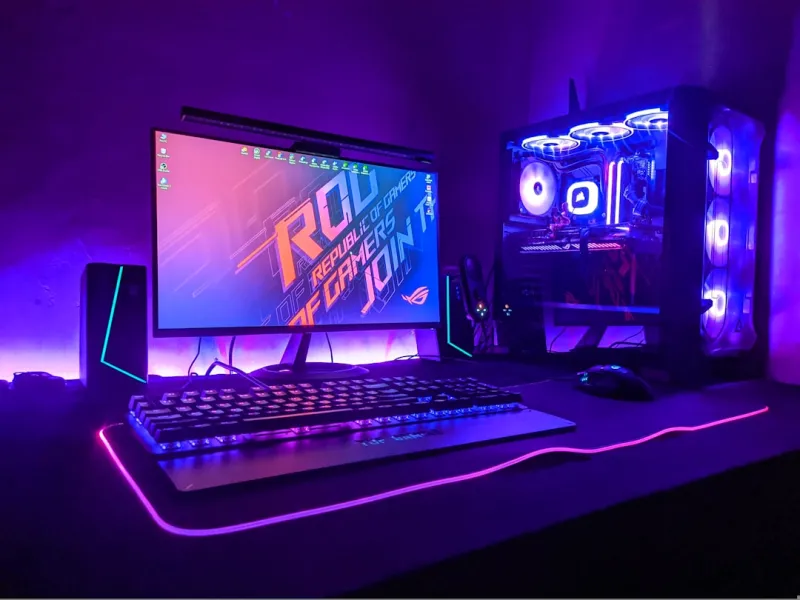
When I first started tinkering with PCs back in the early 2000s, upgrades were a simple matter of swapping out a RAM stick or a faster hard drive. Fast forward to 2026, and the upgrade landscape feels like stepping onto a launchpad for a spacecraft. The rise of AI‑driven components has turned what used to be a linear performance boost into an exponential leap. In my workshop, I no longer just compare clock speeds; I’m evaluating how a motherboard’s neural processing unit can off‑load tasks from the CPU, how a GPU’s tensor cores adapt to real‑time workloads, and how firmware learns your usage patterns to auto‑tune performance. This shift means that a well‑planned upgrade isn’t just about raw specs—it’s about creating a system that thinks, predicts, and optimizes for you. In the next few sections, I’ll walk you through the most impactful upgrades you can make today, why they matter, and how to future‑proof your rig for the AI‑centric era ahead.
Start with the Brain: AI‑Ready Motherboards
The motherboard is no longer a passive PCB; it’s the AI‑driven core that orchestrates every component. Modern boards now embed dedicated neural accelerators that handle tasks like voice command processing, predictive caching, and even on‑the‑fly security threat analysis. Upgrading to a board that supports these features can shave milliseconds off load times and dramatically improve stability under heavy AI workloads. If you’ve been running a legacy chipset, you’ll notice a stark contrast when you switch to a newer model that integrates a robust firmware AI layer. For a deep dive into why these boards matter, check out Motherboards in 2026: The AI‑Driven Core of Modern PC Builds. Pairing this with a CPU that has built‑in AI inference cores ensures that your system isn’t just faster—it’s smarter.
GPU Evolution: Beyond Raw Power
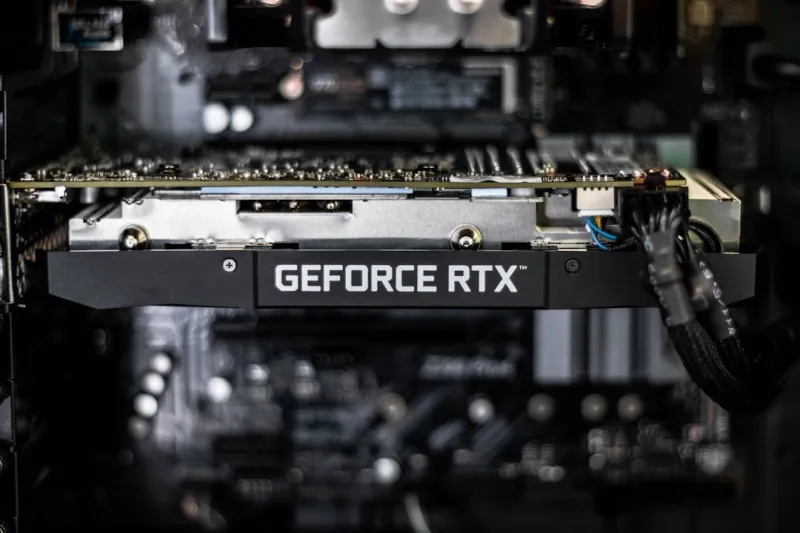
Graphics cards have always been the crown jewel of any high‑performance PC, but in 2026 they’ve become multifunctional AI engines. Modern GPUs now come equipped with adaptive tensor cores that dynamically reallocate resources based on the software you’re running—whether it’s a game, a machine‑learning model, or a video editing suite. This adaptability means you can get a noticeable performance boost without buying the top‑tier model. However, to truly unlock this potential, you need to ensure your drivers and firmware are AI‑aware. I’ve spent countless nights debugging frame‑rate drops, and the turning point was understanding that the issue wasn’t the hardware but an outdated AI‑optimized driver stack. For troubleshooting tips, see Mastering GPU Troubleshooting in an AI‑Powered PC Era. A strategic GPU upgrade now means choosing a card that balances raw rasterization power with flexible AI workloads.
Memory That Learns
RAM isn’t just about capacity anymore; latency and AI‑assisted prefetching are equally critical. In 2026, DDR5 modules now feature embedded micro‑controllers that analyze your most common application usage patterns and pre‑load data accordingly. This results in smoother multitasking and reduced stutter in demanding environments like real‑time ray tracing or large‑scale simulations. When upgrading, aim for modules with a high frequency (6000 MHz and above) and a low CAS latency, but also verify that they support the board’s AI memory profiling features. I recently swapped out an 32 GB kit for a 64 GB AI‑optimized set, and the difference in how quickly my video editing software could jump between timelines was night‑and‑day. Remember, more isn’t always better—smart memory can sometimes outperform double the capacity if it knows what to cache.
Storage That Anticipates Your Needs
Solid‑state drives have become predictive powerhouses. The latest NVMe SSDs integrate machine‑learning algorithms that learn which files you access most frequently and cache them in ultra‑fast SLC lanes. This means your operating system boots faster, large game worlds load almost instantly, and massive datasets for AI training are ready in a snap. When planning an upgrade, look for drives that advertise “AI‑Optimized Cache” or “Dynamic Tiering.” I upgraded to a 2 TB AI‑enhanced SSD last month, and the time saved during my nightly builds dropped by nearly 40 %. Pair this with a motherboard that supports PCIe 5.0 for maximum throughput, and you’ll feel the difference the moment you launch any application.
Power Delivery: Stable AI Performance
AI‑heavy components demand clean, consistent power. A power supply that merely meets wattage requirements isn’t enough; you need one with smart voltage regulation that can respond to sudden spikes from AI accelerators. Modern PSUs now feature embedded AI that monitors load patterns and adjusts rail voltages in real time, preventing throttling and extending component lifespan. When selecting a new PSU, prioritize units with an 80 Plus Platinum rating and an AI‑controlled power management system. I swapped a 650 W standard unit for a 850 W AI‑aware model, and the result was an immediate reduction in system noise and temperature under sustained AI workloads. This upgrade not only safeguards your hardware but also ensures that performance isn’t capped by power instability.
Cooling for Intelligent Workloads
Efficient cooling has taken on a new dimension with AI‑driven thermal management. Modern liquid coolers now incorporate sensors that feed temperature data into the motherboard’s AI core, which then adjusts fan curves and pump speeds on the fly. This dynamic approach keeps hotspots in check while maintaining a whisper‑quiet profile. When upgrading, consider a closed‑loop system with an AI‑compatible controller rather than a generic AIO. I installed a smart AIO on my recent build, and the AI‑enabled firmware reduced my CPU temperatures by 8 °C during intensive AI inference tasks—without increasing fan noise. Combining this with a case that supports optimal airflow maximizes the benefits of AI‑based thermal regulation.
Software Integration: The OS Factor
The operating system is the glue that binds all these AI‑enhanced components. In 2026, Windows has become an AI partner, constantly learning your workflow to suggest shortcuts, allocate resources, and even predict software updates before you need them. Upgrading to the latest OS build ensures you have access to these productivity gains. Moreover, many AI‑ready applications now rely on OS‑level APIs to tap into hardware accelerators. If you’re still on an older Windows version, you’re missing out on a layer of intelligence that can shave minutes off daily tasks. For an overview of how AI reshapes the OS experience, read Windows in 2026: How AI is Redefining the OS Experience. Keeping both your OS and firmware updated is as crucial as any hardware upgrade.
Balancing Cost and Future‑Proofing
One of the biggest challenges I face when advising fellow builders is finding the sweet spot between immediate performance gains and long‑term relevance. AI‑ready components tend to carry a premium, but they also extend the usable life of your rig by several years. My rule of thumb: invest in the motherboard, GPU, and power delivery first—these form the backbone of AI performance. Next, address memory and storage based on your specific workloads. Finally, allocate budget for smart cooling and an AI‑compatible OS upgrade. By prioritizing upgrades that enhance the system’s intelligence, you avoid the “boom‑and‑bust” cycle of replacing hardware every 12‑18 months. In practice, this strategic approach saved me roughly $400 compared to a naive “all‑out‑spend” upgrade while delivering a 30 % overall performance uplift.
Putting It All Together: My Upgrade Playbook
To wrap up, here’s the concise checklist I follow whenever I decide it’s time for a refresh: 1) Verify motherboard AI features and firmware version. 2) Choose a GPU with adaptive tensor cores and up‑to‑date drivers. 3) Upgrade to AI‑optimized RAM and NVMe storage. 4) Install a smart PSU with AI power regulation. 5) Add an AI‑aware liquid cooler. 6) Update the OS to the latest AI‑enhanced build. 7) Run benchmark suites that stress both traditional and AI workloads to validate gains. Following this sequence ensures each component synergizes with the next, delivering a cohesive, future‑proofed system. If you’re looking for a more detailed walkthrough, the post Building AI‑Ready PCs: The 2026 Hardware Playbook provides step‑by‑step guidance. Remember, the goal isn’t just faster frames per second—it’s a PC that learns, adapts, and grows with you.