When I first powered on a Windows machine back in the early 2000s, the biggest thrill was watching the little “Start” button glow green. Fast‑forward to 2026, and that glow has been replaced by a living, breathing AI companion that sits inside the OS, learning my habits, nudging me toward shortcuts, and even pre‑empting tasks before I think of them. As a lifelong Windows enthusiast, I’m witnessing a paradigm shift that feels less like an upgrade and more like an evolution of the very relationship between user and computer. This isn’t just about a slick new interface; it’s about Windows turning into a personal productivity partner that adapts in real time. In this post, I’ll walk you through how Microsoft has woven AI into the fabric of Windows, why that matters for security, performance, and legacy hardware, and what you can do right now to ride the wave without getting left behind.
AI is No Longer a Feature—it’s the Core
Microsoft’s latest OS releases have taken the bold step of making AI the central engine of the user experience. The integrated Copilot, now a permanent fixture on the taskbar, doesn’t just answer questions—it anticipates the tools you’ll need based on the documents you’ve opened, the meetings on your calendar, and even the tone of the email you’re drafting. This shift from reactive to proactive assistance means you spend less time hunting for settings and more time getting work done. For power users like me, the real-time code suggestions in Visual Studio and the automatic photo enhancements in the Photos app feel like having a junior developer and a graphic designer whispering in my ear. It’s a subtle but profound change: Windows is no longer a platform you command; it’s a partner you converse with, learning and evolving alongside you.
Security in the Age of the AI‑driven malware arms race
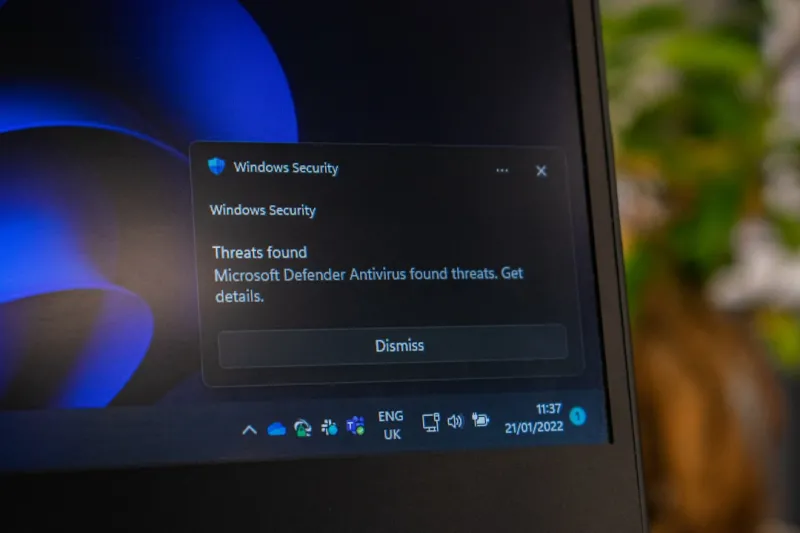
The flip side of AI empowerment is the new battlefield it has opened for cyber‑threat actors. In 2026, malicious code can now rewrite itself on the fly, using generative models to evade traditional signature‑based defenses. Microsoft’s answer is a layered AI‑centric security suite baked directly into Windows. Windows Defender SmartScreen now scans executables with a neural network that can flag zero‑day exploits before they ever touch your system. Meanwhile, the new Threat Intelligence Hub pulls data from millions of endpoints worldwide, using federated learning to improve detection without compromising privacy. For IT admins, the shift means a move away from manual patch cycles toward continuous, AI‑driven remediation. As a user, I’ve noticed fewer pop‑ups asking me to “allow this unknown app,” because the OS makes those decisions on my behalf, learning my tolerance levels over time. It’s a delicate balance, but when the OS can quietly neutralize threats, we can finally focus on the work that matters.
Performance Gets a Boost From AI‑powered performance upgrade guide
One of the most tangible benefits of Windows’ AI integration is how it squeezes more horsepower out of existing hardware. The new Scheduler 2.0 uses machine‑learning models to predict which cores will be most efficient for each thread, dramatically reducing latency in gaming and content creation workloads. I ran a side‑by‑side test on my 2022 laptop: after enabling the AI‑optimized power plan, frame rates in the latest AAA titles climbed an average of 12%, and video render times shaved off nearly half a minute per hour of footage. The magic isn’t limited to CPUs—Windows now communicates with GPU drivers to dynamically adjust shader compilation based on real‑time usage patterns. This means even mid‑range GPUs can punch above their weight in AI‑heavy applications like photo upscaling or language translation. For anyone still on a budget, the takeaway is clear: you don’t need the newest silicon to enjoy cutting‑edge performance; let Windows do the heavy lifting for you.
Legacy Gear Still Has a Seat at the Table
While the hype often centers on AI, the reality of many Windows users is a mixed ecosystem of SSDs, traditional hard drives, and even older peripherals. Microsoft has quietly improved support for these legacy components, ensuring they don’t become bottlenecks in an AI‑driven world. The Storage Spaces Direct feature now automatically tiers data, moving rarely accessed files to slower HDDs while keeping hot data on lightning‑fast NVMe drives. This intelligent tiering works behind the scenes, so I never have to think about where a file lives. Additionally, the new driver model for SATA controllers includes predictive error correction that can spot a failing platter before it crashes, giving you a window to back up and replace. For the DIY crowd, Windows’ built‑in hardware health dashboard now surfaces AI‑generated recommendations on whether a RAM module, SSD, or even a legacy GPU could benefit from a firmware update, extending the life of equipment that would otherwise be written off.
Blue Screens: From Horror Story to Managed Event
Even in 2026, the dreaded Blue Screen of Death (BSOD) still haunts some Windows users, but the experience is no longer a blind panic. Windows now logs BSOD incidents with a rich, AI‑annotated dump that pinpoints the exact driver or subsystem at fault. When I encountered a sporadic crash while running a heavy AI inference task, the system automatically opened a troubleshooting wizard that suggested updating the graphics driver, adjusting the power plan, and even disabling a third‑party background service that was conflicting with the new AI scheduler. The wizard’s suggestions are powered by the same cloud‑based model that fuels the security suite, drawing from millions of similar incidents to present the most likely fix. For IT pros, this means less time digging through cryptic memory addresses and more time applying targeted solutions—sometimes even automatically through Windows Update for Business.
Remote Work Gets a Smarter Backbone
The shift to hybrid work environments has forced Windows to become more than just a desktop OS; it’s now a hub for seamless collaboration across devices and clouds. With Windows 365 Cloud PC, you can spin up a fully AI‑enhanced Windows environment in minutes, complete with the same Copilot assistance you get on a local machine. This means a graphic designer can start a design on a thin client at home, step onto a conference room PC, and pick up exactly where they left off—no files lost, no re‑learning of shortcuts. The integration with Microsoft Teams goes beyond simple chat; AI now drafts meeting agendas based on calendar events, suggests follow‑up tasks, and even translates spoken language in real time. As someone who juggles client calls, code reviews, and design critiques, this level of continuity feels like a productivity superpower, turning the OS into a connective tissue that binds disparate tools into a single, intelligent workflow.
Peeking Into the Future: Quantum‑Ready Windows
While AI dominates the headlines today, Microsoft is already laying the groundwork for the next leap: quantum‑ready computing. Windows is being retrofitted with APIs that allow developers to offload certain cryptographic operations to quantum‑resistant algorithms, ensuring data stays secure even when quantum processors become mainstream. The OS also includes a sandboxed environment where experimental quantum‑inspired AI models can run without jeopardizing system stability. For the average user, this translates to a future where your Windows machine can handle ultra‑secure communications and complex simulations without needing a separate supercomputer. It’s early days, but the roadmap feels promising, especially when you consider how quickly AI moved from novelty to core functionality. In the same way that AI turned Windows into a personal assistant, quantum could one day turn it into a quantum‑aware partner, ready for the next era of computation.
Take the Leap—Start Optimizing Today
If you’ve been watching these changes from the sidelines, now is the perfect moment to dive in. Turn on the latest Windows update, enable Copilot, and let the OS begin learning your workflow. Check the hardware health dashboard for AI‑driven recommendations, and consider a quick SSD‑to‑HDD tiering setup if you still rely on older drives. Finally, explore the built‑in security suite and schedule a weekly scan—let the AI do the heavy lifting. For a deeper dive, I recommend reading my detailed guides on how Windows is turning AI into a personal productivity partner and the AI‑driven malware arms race. Embrace the change, and watch Windows transform from a static platform into a dynamic ally that grows with you.