When you’ve been tinkering with PCs since the early days of Windows XP, the phrase “upgrade” feels less like a chore and more like a rite of passage. In 2026, the landscape has shifted dramatically: PCIe 5.0 is mainstream, DDR6 memory is on the horizon, and AI‑accelerated workloads are no longer niche. As a power‑user who lives and breathes performance, I’m constantly weighing the cost‑to‑benefit ratio of each new component. The goal isn’t just raw speed; it’s about building a platform that can absorb the next wave of software innovations without a full rebuild. That means making strategic choices today that keep your rig relevant tomorrow, from the GPU you slot in to the motherboard you choose. In this guide, I’ll walk through the upgrade decisions that matter most right now, drawing on my own lab bench experiences and the lessons I’ve compiled in the Power‑User PC Upgrade Playbook. Let’s dive into the parts that truly future‑proof a power‑user build.
Choosing the Right GPU for AI and Gaming
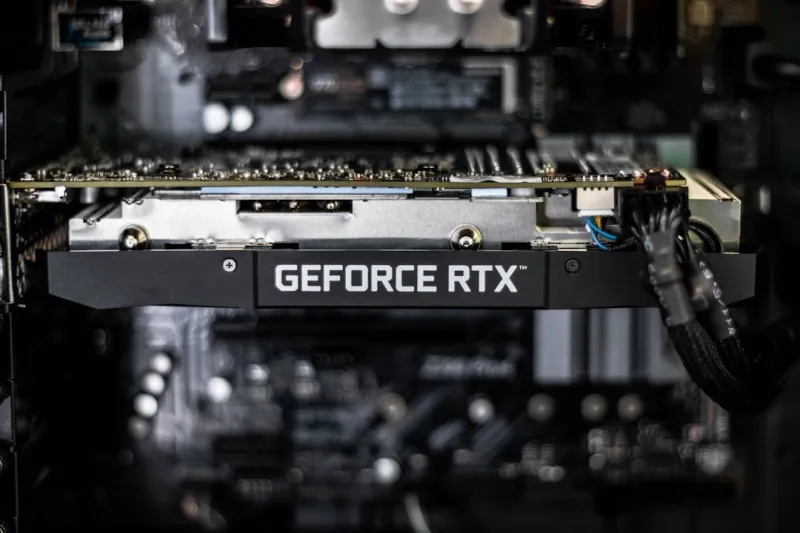
The graphics card remains the crown jewel of any high‑performance rig, but the conversation has expanded beyond frame rates. In 2026, the top GPUs leverage PCIe 5.0 bandwidth, delivering up to 32 GT/s per lane—double the throughput of last year’s cards. This bandwidth boost isn’t just for eye‑candy; it’s essential for AI inference workloads that feed massive tensors directly from the GPU’s memory. When selecting a new GPU, look for models that support NVIDIA’s Tensor Cores or AMD’s Matrix Cores, as they dramatically accelerate machine‑learning tasks. Also, verify that your case can accommodate the larger blower‑style coolers that many 2026 cards require. While a 24 GB VRAM board might feel like overkill for pure gaming, it becomes a lifesaver when you’re running large language models locally. Pairing a GPU with a solid power supply (see later) ensures you won’t hit the dreaded “power limit” ceiling during intensive workloads.
CPU Upgrades: Hybrid Architectures and Longevity
CPU design has entered a hybrid era where performance cores coexist with efficiency cores, delivering a balance of raw compute and power savings. The latest 2026 releases from both Intel and AMD feature up to 24 cores, with an emphasis on AI‑specific instruction sets like Intel’s X‑VNNI and AMD’s BFloat16 extensions. When evaluating a new processor, consider the software you run most often: if you’re compiling large codebases or rendering video, prioritize high single‑thread performance; if you’re training neural nets, a higher core count with robust multithreaded scaling is key. Remember that socket longevity is a rare commodity—most 2026 platforms will support at least two generations of CPUs, so picking a motherboard with a forward‑compatible socket can save you a costly motherboard swap later. Don’t overlook the importance of a robust cooling solution; hybrid CPUs can generate significant heat under sustained load, and efficient cooling directly translates to higher boost clocks and longer component life.
Memory Matters: DDR5, DDR6, and Capacity Planning
Memory technology has leapt forward, and while DDR5 is now the baseline for most high‑end builds, early adopters are already testing DDR6 modules that promise up to 2× the bandwidth of DDR5. For a power‑user, the sweet spot today lies in 64 GB of DDR5‑6000 or faster, especially if you’re juggling multiple VMs, large datasets, or AI model training. Higher frequencies reduce latency in memory‑bound tasks, but the real gain comes from capacity—more RAM lets you keep larger datasets in memory, cutting down on costly disk I/O. When you’re budgeting, prioritize a balanced configuration: two 32 GB sticks for dual‑channel operation, leaving room for future expansion. If your motherboard supports it, consider a “flex‑mode” setup where you can mix and match capacities without sacrificing performance. And keep an eye on upcoming BIOS updates that may unlock higher memory frequencies without a hardware change.
Storage Strategy: NVMe, PCIe 5.0, and Strategic Hard‑Drive Choices
Storage is where the rubber meets the road in everyday performance. PCIe 5.0 NVMe SSDs now reach read speeds of 14 GB/s, shaving seconds off game load times and drastically reducing model training data latency. However, not every workload needs the bleeding‑edge speeds; a tiered approach often yields the best value. Allocate a 2‑TB PCIe 5.0 SSD for your OS, applications, and active projects, then supplement with a larger, more cost‑effective PCIe 4.0 or SATA SSD for archival data. For those who still need massive bulk storage, consider a hybrid setup with high‑capacity HDDs—preferably 12 TB or larger—paired with a robust caching algorithm. The internal guide Strategic Hard‑Drive Choices for Power Users in 2026 dives deeper into selecting the right mix of speed and capacity without breaking the bank.
Motherboard Selection: The Foundation of Future‑Proofing
The motherboard you choose is the unsung hero that determines how long your rig can stay relevant. In 2026, boards that support PCIe 5.0, DDR5, and have robust power delivery for high‑core‑count CPUs are essential. Look for models that offer multiple M.2 slots with heatsinks, ample USB‑4 ports, and at least one 10 GbE Ethernet port for future networking needs. A well‑designed VRM heatsink and onboard fan headers give you flexibility when pushing components to their limits. For those who love tinkering, a BIOS that supports “beta” firmware updates can unlock newer CPU support without a motherboard change. My go‑to resource for deep‑dive analysis is the Ultimate Motherboard Guide for Power Users, which breaks down chipset capabilities and how to read the fine print on expansion slots.
Power Supply and Cooling: Keeping the Beast Stable
Even the most powerful components crumble without clean, reliable power. In 2026, 80+ Gold and Platinum certifications remain the benchmark, but efficiency gains have pushed many high‑end PSUs to 95%+ efficiency at 50% load. When sizing your PSU, aim for a 30% headroom over your estimated peak draw—this not only accommodates future upgrades but also reduces acoustic noise as the unit runs cooler. Modular designs help with cable management, which improves airflow and simplifies future swaps. On the cooling front, liquid cooling solutions have become more mainstream, with 360 mm radiators now standard for high‑TDP CPUs and GPUs. If you prefer air cooling, look for heatsinks with dual‑fan configurations and a high static pressure rating to push air through dense fin arrays. Remember, effective cooling translates directly into higher boost clocks and longer component lifespans.
Network and OS Optimization: Windows 12 and Beyond
Performance isn’t just about hardware; the software stack plays a crucial role. Windows 12, released this year, introduces a “Performance Mode” that dynamically allocates CPU resources to foreground applications, a boon for gamers and creators alike. Pairing this with a 10 GbE network adapter ensures that large files—like 4K video footage or AI training sets—transfer across your local network without bottlenecks. If you’re still on an older OS, consider a dual‑boot setup to leverage Windows 12’s optimizations for demanding tasks while keeping a lightweight Linux distro for development work. The guide Unlocking Windows 12: A Power‑User’s Playbook for Performance and Future‑Proofing offers a step‑by‑step walkthrough to fine‑tune system settings for maximum throughput.
Putting It All Together: A Smart Upgrade Roadmap
Now that we’ve dissected each component, the real challenge is sequencing your upgrades to maximize ROI. Start with the motherboard and CPU—these form the backbone and dictate what you can add later. Next, install a high‑capacity DDR5 kit and a fast PCIe 5.0 SSD to feel immediate performance gains. Follow up with a GPU that matches your workload needs, whether that’s ray‑tracing for gaming or tensor cores for AI. Finally, round out the build with a reliable PSU, efficient cooling, and a robust networking solution. For a concise, step‑by‑step checklist, my favorite reference is the Turbocharge Your PC in 2026: The Power‑User’s Guide to Smart Upgrades. By approaching upgrades strategically, you’ll not only boost current performance but also lay a foundation that can gracefully absorb the next generation of software innovations.