When I first cracked open a tower back in the early 2020s, the hum of a single‑core processor felt like the pinnacle of power. Fast‑forward to 2026, and the landscape has transformed into a symphony of AI‑optimized silicon, lightning‑fast interconnects, and storage solutions that still cling to the magnetic nostalgia of spinning platters. As a longtime power user, I’ve learned that the hardware you choose today isn’t just about raw performance; it’s a strategic investment in future workflows, from real‑time video synthesis to massive language model inference. In this deep dive, I’ll walk you through the components that matter most, share hard‑won lessons from my own build‑outs, and sprinkle in proven strategies to keep your rig relevant for years to come. Whether you’re a creator chasing 8K renders or a developer training transformer models on‑prem, the decisions you make now will define how gracefully you ride the AI wave that’s reshaping every industry.
Choosing the Right CPU: More Than Just Clock Speed
The CPU in 2026 is no longer a simple arithmetic engine; it’s a hybrid beast that blends high‑performance cores with energy‑efficient ones, all while housing dedicated AI accelerators. When I upgraded my last workstation, I prioritized a processor with a robust instruction set for tensor operations, because the marginal cost of a few extra cores is eclipsed by the time saved on model training. Look for chips that support the latest SIMD extensions and have a sizable L3 cache—these traits translate directly into smoother multitasking and faster data crunching. Pairing such a CPU with a motherboard that offers PCIe 5.0 lanes ensures your GPU and NVMe storage can communicate without bottlenecks. If you’re still on the fence, check out Upgrade Strategies for Power Users: Building a Future‑Proof AI‑Ready PC for a step‑by‑step guide on selecting the ideal processor for AI‑heavy workloads.
GPU Realities: From Gaming to AI Compute
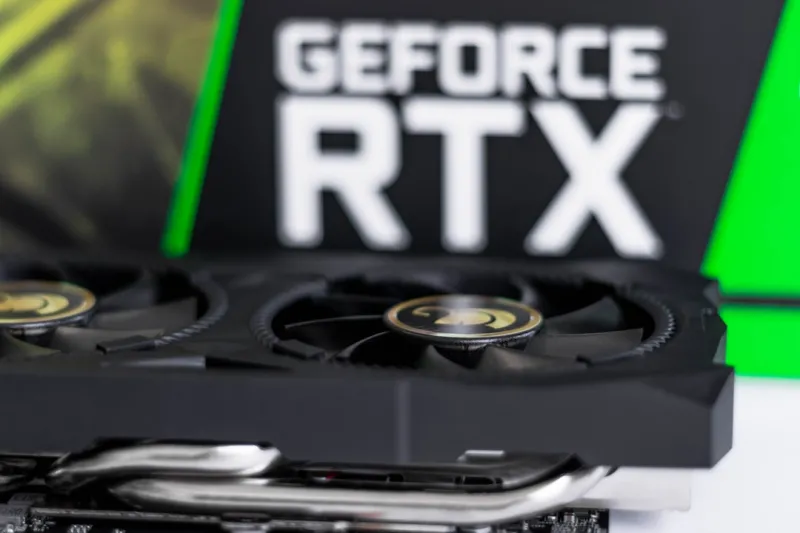
Graphics cards have evolved from rasterizing frames to becoming the workhorses of machine learning, and that shift demands a new approach to selection. In my latest build, I gravitated toward a GPU that balances VRAM capacity with tensor core efficiency—crucial for handling 3‑D rendering pipelines and large language model inference alike. Don’t be fooled by headline numbers; a card with higher CUDA core counts may underperform if its memory bandwidth is throttled. Monitoring tools have become indispensable; I rely on a systematic checklist to catch temperature spikes, driver anomalies, and VRAM leaks before they cascade into system instability. For a comprehensive troubleshooting framework, the GPU Troubleshooting Playbook for Power Users offers a pragmatic roadmap that saved me countless hours of downtime during the early AI experimentation phase.
Memory and Storage: The Silent Performance Boosters
While flash memory dominates the headline, I still champion the strategic use of traditional hard drives for archival workloads. The reason? A well‑configured HDD array offers predictable latency for bulk data ingestion, freeing up your NVMe SSDs for latency‑critical AI inference. I routinely install 32 GB of DDR5 5600 MHz RAM, but I also reserve a dedicated memory channel for the GPU’s shared memory pool, ensuring that large tensors don’t cause a system-wide slowdown. When choosing storage, look beyond capacity; focus on endurance ratings and the controller’s ability to handle sustained writes—a common scenario when training models that churn through terabytes of data. To understand why a hybrid approach still makes sense, dive into Hard Drive Revival: Why Storage Still Dominates Power Users, which explains how magnetic media can complement solid‑state speed in a balanced workstation.
Future‑Proof Networking: Bandwidth Is No Longer a Luxury
In the age of distributed AI training and cloud‑edge hybrid pipelines, network throughput has become a decisive factor in workstation performance. A 10 GbE connection is now the baseline for power users who stream 8K video, synchronize massive datasets, or collaborate on real‑time model fine‑tuning across continents. I upgraded my networking stack to incorporate a dual‑port 25 GbE NIC, paired with a managed switch that supports QoS tagging for AI‑critical traffic. This configuration not only eliminates bottlenecks but also future‑proofs the rig against upcoming standards like 40 GbE. For a deeper dive into constructing a resilient network that scales with AI workloads, see Future‑Proof Networking Strategies for Power Users. Implementing VLANs and leveraging link aggregation can dramatically improve reliability without a massive budget increase.
Power Delivery and Cooling: Keeping the Beast Calm
Power supplies and cooling solutions often get relegated to “afterthought” status, yet they are the unsung heroes that keep high‑performance components humming. In 2026, modular 80+ Platinum PSUs delivering 1000 W+ are more affordable, providing the headroom needed for multi‑GPU rigs and CPU overclocks without sacrificing efficiency. I pair my PSU with a hybrid cooling loop that combines a high‑static‑pressure AIO radiator for the CPU and a liquid‑cooled GPU block, dramatically reducing thermal throttling during prolonged AI training sessions. The key is to monitor power draw under load; many motherboards now expose detailed telemetry that can be logged to preemptively catch power spikes. For those interested in a design philosophy that balances performance with longevity, the article Designing a Power‑User AI Workstation That Stands the Test of Time outlines how to choose components that age gracefully.
Modular Cases and Expandability: Building for the Unknown
When you design a workstation today, you must anticipate the hardware that doesn’t exist yet. A spacious, tool‑less case with removable panels lets you swap out GPUs, add extra storage bays, or integrate new AI accelerators without a full teardown. I favor chassis that support up to 4 × 120 mm fans and provide front‑panel USB‑4 ports, ensuring high‑speed peripheral connectivity for external AI inference devices. Cable management isn’t just aesthetic; clean airflow translates to lower temperatures and quieter operation, which matters when you’re running long training cycles overnight. Additionally, consider future‑proof expansion slots—M.2 2280 NVMe slots that can accommodate next‑gen storage modules and PCIe 5.0 x16 slots that are ready for upcoming GPU architectures. Thoughtful modularity reduces e‑waste and maximizes ROI on each component you purchase.
Software‑Hardware Synergy: Unlocking AI Potential in the OS
The best hardware can be throttled by an unoptimized operating system. Windows 11’s latest build in 2026 introduces AI‑driven performance profiles that automatically allocate resources based on workload signatures, a feature I leverage heavily when switching between video editing and model training. Enabling the “Performance‑First” power plan and toggling the hardware‑accelerated GPU scheduling can shave off seconds on each inference pass. Pair this with a suite of driver utilities that expose real‑time telemetry for CPU, GPU, and memory usage, and you have a feedback loop that lets you fine‑tune every component. For a granular look at how to harmonize OS settings with your AI‑centric rig, explore Unlocking Windows for Power Users: AI, Performance, and Future‑Proof Strategies. Mastering these settings ensures that your hardware investments deliver the full promised performance.
Wrapping It All Up: Your Roadmap to an AI‑Ready Power Station
Building a future‑proof workstation in 2026 is less about chasing the flashiest specs and more about orchestrating a balanced ecosystem where CPU, GPU, memory, storage, and networking complement each other. By selecting a hybrid CPU with AI accelerators, pairing it with a tensor‑optimized GPU, and reinforcing the system with robust power delivery and modular cooling, you lay a foundation that can adapt to emerging AI workloads. Don’t overlook the strategic role of traditional storage and a high‑throughput network, both of which become critical as data volumes explode. Finally, synchronize your hardware choices with OS‑level optimizations to unlock the full performance envelope. With these principles in mind, you’ll not only stay ahead of the curve but also enjoy a workstation that feels as responsive today as it will in the next five years of relentless AI innovation.