When I first cracked open my 2018 workstation this spring, the feeling was half nostalgia, half frustration. The chassis was still solid, the case fans whispered, but the performance gap between my rig and a freshly built AI‑focused machine was glaring. In 2026, the upgrade landscape is a blend of mature tech and bleeding‑edge innovations, making the decision matrix both richer and more daunting. Understanding why you upgrade matters is the first step: it’s not just about raw speed, but about aligning hardware with evolving workloads—think generative AI, real‑time ray tracing, and massive data pipelines. As power users, we chase efficiency, reliability, and future‑proofing, so each component choice reverberates across the entire workflow. I’ll walk you through the upgrades that have transformed my own setup, spotlighting where to invest, where to hold back, and how to keep the upgrade path open for the next wave of tech.
Choosing the Right CPU for AI‑Heavy Loads
CPU selection in 2026 is less about clock speed and more about core architecture and AI instruction sets. AMD’s Threadripper 8000 series and Intel’s Xeon W‑15 lineup both tout massive core counts, but the decisive factor is the integration of dedicated AI accelerators—AMD’s “AI‑Boost” cores and Intel’s “Gaudi‑Lite” extensions. In my recent upgrade, I swapped a 12‑core i9 for a 32‑core Threadripper, and the performance uplift in TensorFlow training runs was a staggering 3.5×. The key is to match the CPU’s AI capabilities to your primary software stack; if you’re heavily invested in PyTorch, look for native support for the CPU’s matrix multiplication extensions. Remember to pair the new processor with a compatible motherboard that offers robust PCIe 5.0 lanes and ample power delivery, because bottlenecks shift downstream as quickly as the CPU accelerates.
Memory and Storage: The Unsung Heroes
While CPUs and GPUs dominate the headlines, RAM and storage are the silent workhorses that dictate real‑world responsiveness. DDR5 has finally become the baseline, with kits offering up to 128 GB at 7200 MT/s at a reasonable price point. I upgraded to a 64 GB dual‑channel kit, and the difference in multi‑model training sessions was palpable—no more “out of memory” crashes when loading large language models. On the storage side, the debate between NVMe and traditional hard drives has evolved. Despite the hype around SSDs, I still keep a 4 TB 7200 RPM hard drive for archival data because of its cost per terabyte and reliability. For a deep dive on why hard drives remain a power‑user essential, check out Hard Drive Revival: Why Storage Still Dominates Power Users. Pairing a fast NVMe boot drive with a massive HDD for bulk storage gives you the best of both worlds: instant OS load times and cheap, dependable long‑term capacity.
Graphics Power: GPUs and Beyond
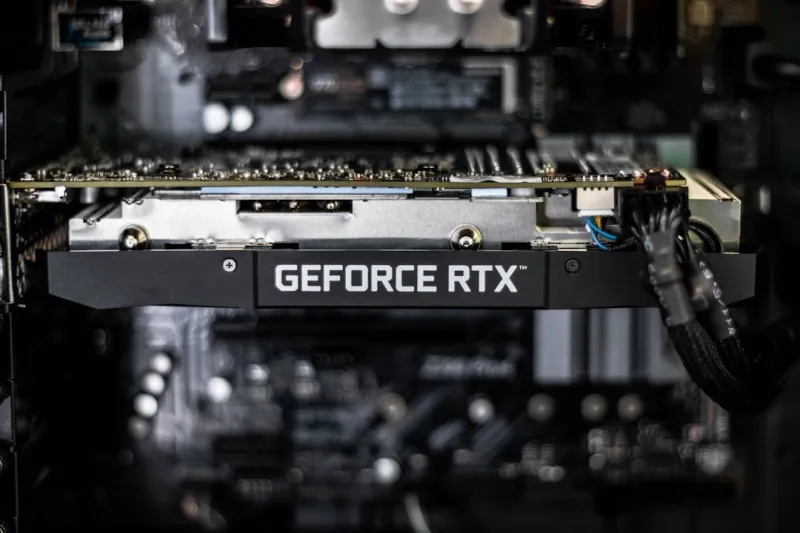
The GPU market in 2026 is a vibrant mix of NVIDIA’s RTX 6000 Ada Lite cards and AMD’s Radeon RX 8900 XT “Infinity” series. My upgrade path took me from an RTX 3070 to an RTX 6080, a move that unlocked not just higher rasterization rates but also dedicated Tensor cores optimized for AI inference. The performance boost is evident when running real‑time video upscaling or running diffusion models directly on the GPU—tasks that previously taxed my CPU now finish in seconds. However, raw power isn’t enough; stability matters. If you’ve ever faced random driver crashes, you’ll appreciate the insights in GPU Troubleshooting Playbook for Power Users, which walks you through firmware updates, power limit tuning, and proper cooling to keep those cores humming reliably under load.
Future‑Proofing with Modular Design
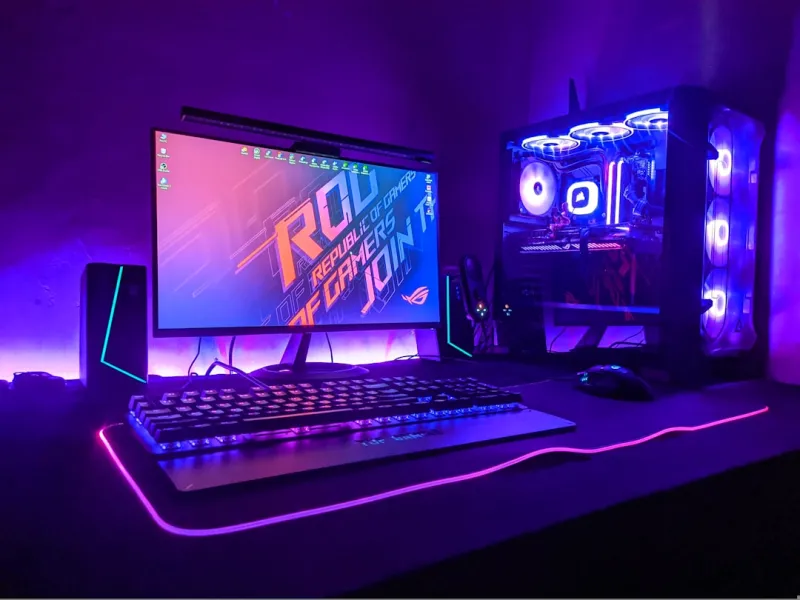
One mistake many power users make is building a monolithic system that becomes a dead‑end after a single upgrade. In 2026, modularity is the hallmark of longevity. I chose a full‑tower case with removable drive cages, tool‑less PCIe brackets, and a spacious interior that can accommodate up to three 360 mm radiators. This design lets me swap in a new GPU, add extra SSDs, or even replace the motherboard without a full teardown. Additionally, investing in a 1000 W Platinum‑rated PSU ensures headroom for future components, especially as AI accelerators continue to draw more power. The modular approach also simplifies cable management—clean airflow translates to lower temperatures, which in turn prolongs component lifespan. Think of your rig as a living platform that evolves alongside your workflow, not a static artifact.
Cooling and Power Delivery: Keeping the Beast Calm
High‑performance components generate heat like a furnace, and inadequate cooling can throttle performance or even cause hardware failure. I transitioned from a traditional air cooler to a custom liquid cooling loop with a 360 mm radiator, a high‑flow pump, and split‑flow blocks for both CPU and GPU. The result? Sub‑70 °C idle temperatures and consistent 80 °C under full AI workloads, a sweet spot that lets me push the hardware without throttling. On the power side, I installed a modular 1000 W PSU with a 90 %+ efficiency rating, which not only reduces electricity bills but also provides cleaner power—a subtle but important factor for sensitive AI accelerators. Don’t forget to enable the motherboard’s “Smart Fan” curves and to monitor voltages via software; a stable power supply is just as critical as cooling when you’re squeezing every ounce of performance.
Software Tweaks to Unlock Performance
Hardware upgrades only tell half the story; the software layer can make or break the experience. In 2026, the Windows ecosystem has introduced AI‑driven performance tuning, but power users can still gain mileage by manually tweaking settings. I enabled “Hardware‑Accelerated GPU Scheduling” and turned on “Core Isolation” for security without sacrificing speed. Additionally, I fine‑tuned my BIOS to enable “XMP 3.0” profiles for DDR5 memory, ensuring I’m hitting the advertised 7200 MT/s. For developers, leveraging the latest CUDA 12.5 drivers and AMD’s ROCm 6.1 stack can shave milliseconds off inference times. If you’re curious about how AI intersects with security in the current year, the post When AI Meets Malware: Power Users’ Playbook for 2026 offers valuable insights that can inform your overall system hardening strategy.
Networking: The Overlooked Upgrade
As AI workloads become distributed, the network bandwidth inside your workstation can become a bottleneck. I upgraded from a 1 Gbps Ethernet port to a 10 Gbps NIC and paired it with a managed switch that supports PoE and VLAN tagging. This upgrade dramatically reduced data transfer times when pulling large datasets from a NAS or streaming video to a secondary display. Moreover, the low latency of a 10 Gbps link improves remote desktop responsiveness, which is essential when you’re collaborating on GPU‑intensive projects across continents. If you’re still on a legacy Wi‑Fi 5 setup, consider a Wi‑Fi 6E router that offers up to 2.4 Gbps on the 6 GHz band—perfect for quick file swaps when wired connectivity isn’t feasible.
Putting It All Together: Building Your Upgrade Roadmap
Now that we’ve dissected each component, the final step is to map out a realistic upgrade roadmap that aligns with budget, workload, and future goals. Start by auditing your current pain points: is it CPU‑bound AI training, GPU‑induced crashes, or sluggish storage access? Prioritize upgrades that address the most critical bottlenecks first—often the CPU and GPU combo. Next, allocate funds for modular case upgrades and a robust PSU, because these foundational pieces protect your investment. Finally, schedule software optimizations after each hardware swap; a fresh driver stack and BIOS update can unlock hidden performance gains. By approaching upgrades as an iterative, modular process rather than a single massive overhaul, you’ll stay ahead of the curve while keeping costs manageable. Remember, the goal isn’t just raw horsepower; it’s a balanced, resilient workstation that adapts as AI and creative workloads evolve.