When I first cracked open my 2024 rig, I never imagined the hardware landscape would evolve this fast. By 2026, every component is not just faster—it’s smarter, thanks to AI‑driven firmware and telemetry that can predict failures before they happen. As a long‑time tinkerer, I’m constantly juggling the lure of bleeding‑edge specs with the practical need for reliability, especially when my workstation doubles as a home‑office hub and a weekend gaming platform. The convergence of AI workloads, higher resolution displays, and the ever‑shrinking power envelope forces us to rethink every decision, from the GPU we slot in to the type of SSD we trust with our media libraries. In this deep‑dive, I’ll walk you through the trends shaping computer hardware right now, share the pitfalls I’ve learned to avoid, and point you toward resources like The AI Computing Playbook that can help you build a system ready for the next wave of software demands.
GPU: The AI Engine Under the Hood
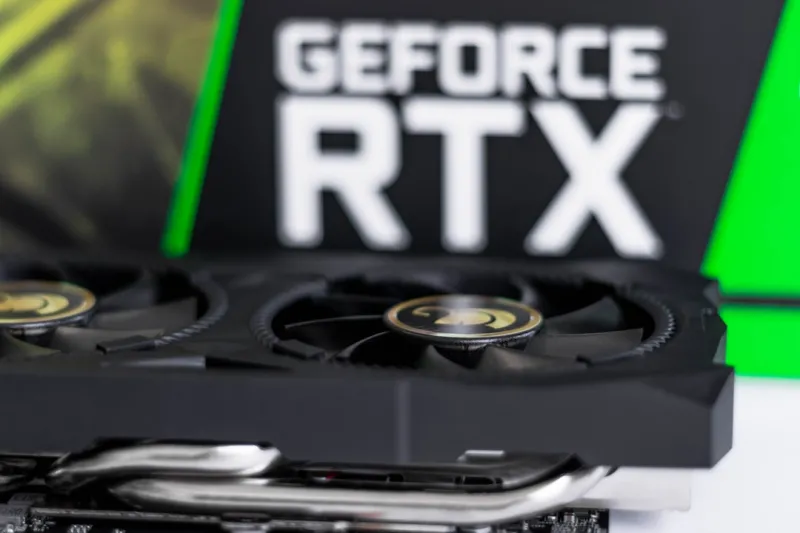
Graphics cards have transformed from pure rasterizers into massive tensor factories. In 2026, the leading GPUs ship with dedicated AI cores that offload everything from real‑time ray tracing to neural‑network inference for video upscaling. This shift means you can stream 8K content, run large language models locally, and still enjoy buttery‑smooth frame rates in the latest shooters. However, the power draw and thermal output have also skyrocketed, making proper cooling a non‑negotiable factor. If you ever catch a stutter during an AI‑heavy render, you’ll want to consult Diagnosing and Fixing GPU Glitches in the Age of AI‑Heavy Workloads, where I break down the most common voltage spikes and driver conflicts that can turn a beast into a bottleneck. Remember, a well‑tuned fan curve and a quality VRM can extend the lifespan of a $1,500 card by years, especially when you’re pushing it with deep‑learning workloads on a daily basis.
CPU: Hybrid Cores Meet AI Scheduling
Just as GPUs have embraced AI, modern CPUs are now built on hybrid architectures that pair high‑performance cores with energy‑efficient ones. The goal is simple: let the OS dynamically schedule background tasks to low‑power cores while reserving the heavy‑duty cores for gaming, compilation, or AI inference. This design reduces heat and improves battery life in laptops, but it also adds a layer of complexity for enthusiasts who love to overclock. In 2026, many motherboards now offer AI‑assisted overclocking profiles that can automatically find the sweet spot for both core types, balancing performance and thermals in real time. While the temptation to push every MHz is strong, I’ve found that a modest boost on the performance cores—combined with a solid cooling solution—delivers a more consistent experience than max‑out settings that cause throttling under sustained loads.
RAM: The Unsung Hero That Still Crashes PCs
It’s easy to overlook memory when you’re dazzled by flashy GPUs, but RAM remains the silent workhorse that can bring a system to its knees if neglected. In 2026, DDR5 has become the standard, offering higher bandwidth and lower power draw, yet many builds still suffer from timing mismatches or insufficient capacity for AI workloads. I’ve seen countless blue screens that turned out to be a rogue module running at an unsupported voltage. For a deep dive into the symptoms and fixes, check out Why RAM Issues Still Crash PCs and How to Fix Them in 2026. My rule of thumb: aim for at least 32 GB of DDR5‑5600 for a future‑proof setup, and always run a memory stress test after installation. A stable memory foundation ensures that your AI models train without random corruption and that your gaming sessions stay glitch‑free.
Storage: Choosing the Right Drive for Speed and Longevity
When it comes to storage, the debate has shifted from “SSD vs. HDD” to “NVMe vs. PCIe 5.0 SSD vs. Optane‑like persistent memory.” The newer PCIe 5.0 drives can exceed 14 GB/s read speeds, slashing load times for massive game worlds and large datasets alike. However, the price premium is still significant, and not every build needs that level of performance. If you’re a creator who works with 8K footage, those numbers translate into real productivity gains. On the other hand, for a typical gamer or office PC, a high‑quality SATA III SSD paired with a modest NVMe cache can be more cost‑effective. To understand how drive selection impacts overall system health, read Why Choosing the Right Hard Drive Matters More Than Ever. Don’t forget to enable TRIM and configure the correct power‑management settings to extend the lifespan of your flash storage, especially under heavy write loads from AI training cycles.
Cooling: From Heat Pipes to AI‑Driven Fans
Thermal management has become an art form in 2026, with manufacturers integrating AI algorithms directly into fan controllers and liquid‑cooling pumps. These smart systems monitor temperature, acoustic load, and even ambient room conditions to adjust fan curves on the fly, delivering whisper‑quiet operation without sacrificing performance. For high‑end builds, I’ve migrated to all‑in‑one liquid coolers that feature a built‑in microcontroller, allowing me to set custom curves via a companion app. The result is a system that stays under 70 °C even when the GPU is pushing 300 W for AI inference. If you’re still using stock coolers, you’re likely missing out on a significant efficiency boost. Pairing a well‑designed heatsink with high‑flow fans and applying a premium thermal paste can shave off several degrees, which translates to longer component life and more consistent boost clocks.
Motherboards and the PCIe Highway
The motherboard is the nervous system of your rig, and in 2026 it’s more critical than ever to choose one that can handle the data deluge from modern components. PCIe 5.0 has become ubiquitous, offering double the bandwidth of its predecessor, and early adopters are already looking ahead to PCIe 6.0 for next‑generation AI accelerators. When selecting a board, prioritize robust VRM phases, especially if you plan to overclock your CPU or GPU. Additionally, look for boards that provide multiple M.2 slots with heatsinks—your SSDs will thank you during prolonged write operations. Integrated Wi‑Fi 6E and Bluetooth 5.3 are now standard, ensuring low‑latency connections for cloud‑based AI services. Remember, a solid motherboard not only supports current hardware but also offers expansion lanes for future upgrades, making your investment more sustainable.
Future‑Proofing Your Build Without Breaking the Bank
Future‑proofing isn’t about buying the most expensive parts today; it’s about strategic choices that keep your system relevant for years. Start with a modular power supply that can handle higher wattages as you add components, and consider a case with ample drive bays and cable management options for easy upgrades. Opt for a CPU socket that supports the next generation of processors, and choose a GPU with a decent power headroom—most manufacturers design their cards to be compatible with upcoming driver updates that improve performance on older hardware. By allocating a portion of your budget to a high‑quality motherboard and a robust cooling solution, you create a foundation that can absorb future innovations without requiring a full rebuild. This approach aligns with the principle I discuss in my AI Computing Playbook, where flexibility and scalability are key.
Troubleshooting Mindset: When Things Go Sideways
No build is immune to hiccups, and the ability to diagnose issues quickly separates hobbyists from pros. Start by isolating variables: swap out the GPU, test memory with a dedicated benchmark, and verify BIOS settings after each hardware change. Logging tools have become more sophisticated, offering real‑time alerts when temperatures spike or voltage irregularities appear. One of my favorite resources for tackling video card woes is Unlocking the Secrets of Video Card Troubleshooting, which walks you through step‑by‑step diagnostics, from driver rollbacks to firmware updates. Adopt a systematic approach—document each test, note the outcomes, and gradually narrow down the culprit. This method not only saves time but also prevents the frustration of endless random reboots during critical work sessions.
Wrapping It All Up: Your Next‑Gen Build Checklist
By now you should have a clear picture of the components that matter most in 2026: an AI‑ready GPU, a hybrid‑core CPU, ample DDR5 memory, fast PCIe 5.0 storage, and a motherboard that can grow with you. Pair these with intelligent cooling, a reliable power supply, and a well‑thought‑out case layout, and you’ll have a system that not only handles today’s demanding workloads but also adapts to tomorrow’s breakthroughs. Keep an eye on firmware updates, as manufacturers are constantly refining performance and stability through AI‑driven patches. Finally, don’t forget to enjoy the process—building a PC is as much about learning as it is about the end result. Dive into the linked articles for deeper insights, and feel free to share your own build stories in the comments. Happy building!