The Mysterious World of Computer Blue Screens: Uncovering the Causes and Solutions
As a seasoned computer technician, I've encountered my fair share of blue screens, also known as the Blue Screen of Death (BSOD). This infamous error screen can be frustrating and intimidating, but understanding its causes and learning how to troubleshoot it can save you a lot of headaches. In this article, I'll share my expertise on the blue screen phenomenon, exploring its common causes, prevention strategies, and troubleshooting techniques. So, let's dive in and unravel the mystery of the blue screen.
What is the Blue Screen of Death?
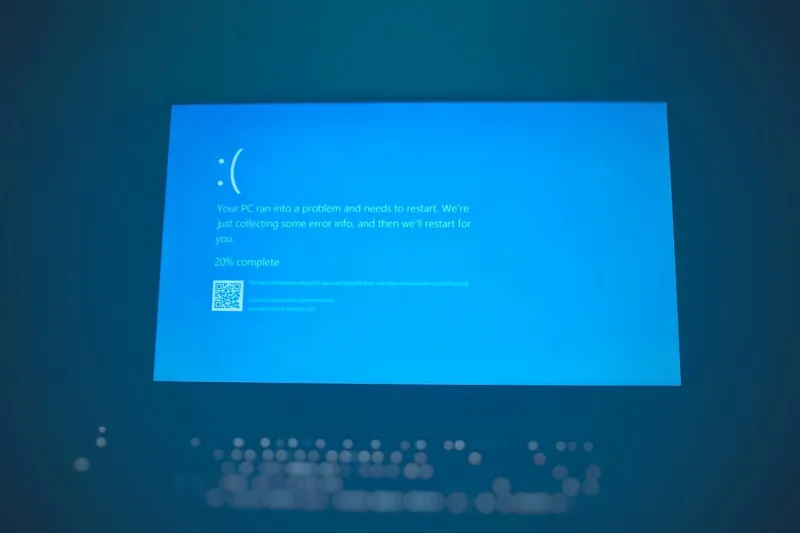
The Blue Screen of Death is a critical error screen displayed by Windows operating systems when they encounter a fatal error that prevents them from running safely. This error screen is usually accompanied by a cryptic error message and a code that can help diagnose the issue. The BSOD can occur due to a variety of reasons, ranging from hardware failures to software conflicts. In some cases, the blue screen may appear randomly, while in others, it may be triggered by a specific action or event.
Common Causes of the Blue Screen
So, what causes the blue screen to appear? Here are some of the most common culprits:
- Hardware failures: Faulty or failing hardware components, such as RAM, hard drives, or graphics cards, can cause the blue screen to appear.
- Software conflicts: Conflicts between software applications or drivers can lead to a blue screen.
- Driver issues: Outdated, corrupted, or incompatible drivers can cause system crashes and blue screens.
- Malware and viruses: Malicious software can cause system instability and trigger a blue screen.
- Overheating: Overheating can cause system crashes and blue screens, especially during intense gaming or computing sessions.
To prevent blue screens, it's essential to identify and address these underlying causes. Regularly updating your drivers, running antivirus scans, and monitoring your system's temperature can go a long way in preventing blue screens.
Troubleshooting the Blue Screen
So, what can you do when you encounter a blue screen? Here are some troubleshooting steps to help you diagnose and fix the issue:
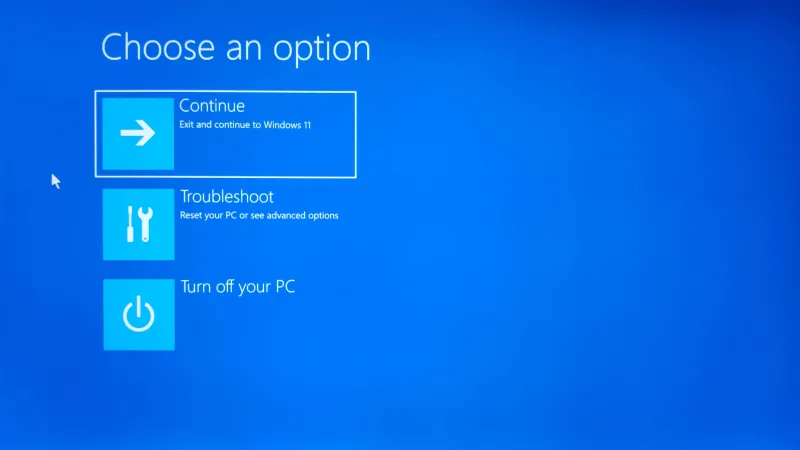
First, try restarting your computer in Safe Mode. This will allow you to access your system with a minimal set of drivers and services, making it easier to diagnose the issue. If you're unable to access Safe Mode, you can try using a system repair disc or a bootable USB drive to access your system.
Next, try to identify the error message and code displayed on the blue screen. This information can be invaluable in diagnosing the issue. You can search online for the error code or consult Microsoft's documentation to learn more about the error.
Advanced Troubleshooting Techniques
For more advanced troubleshooting, you can try:
- Running a System File Checker (SFC) scan: This will help identify and repair corrupted system files.
- Running a Memory Check: This will help identify issues with your RAM.
- Updating your drivers: Make sure your drivers are up to date, especially graphics and sound drivers.
For more information on troubleshooting memory and RAM issues, check out my previous article on Troubleshooting Memory and RAM Issues: A Comprehensive Guide.
Preventing Blue Screens
Prevention is the best medicine when it comes to blue screens. Here are some tips to help you prevent blue screens:
First, make sure your system is up to date with the latest drivers and software updates. Regularly running antivirus scans can also help prevent malware and viruses from causing system crashes.
Next, consider investing in a high-quality power supply and a reliable cooling system to prevent overheating and power surges.
The Future of Data Storage and Blue Screens
As technology continues to evolve, we can expect to see new innovations in data storage and computing. For example, the development of solid-state drives (SSDs) has significantly improved system performance and reduced the risk of blue screens caused by hard drive failures. To learn more about the future of data storage, check out my article on The Future of Data Storage: How Hard Drives Are Evolving.
Conclusion
The blue screen of death may seem like a mysterious and intimidating phenomenon, but with the right knowledge and troubleshooting techniques, you can overcome it. By understanding the common causes of blue screens, troubleshooting techniques, and prevention strategies, you can minimize the risk of encountering this error screen. Remember to stay vigilant, keep your system up to date, and invest in high-quality hardware to ensure a smooth and stable computing experience.
For more information on blue screens and troubleshooting techniques, I recommend checking out my article on The Blue Screen of Death: Causes, Prevention, and Troubleshooting. Stay safe, and happy computing!