The Future of Data Storage: How Hard Drives Are Evolving
As we continue to generate more data than ever before, the need for efficient and reliable data storage solutions has become a top priority. Hard drives have been a staple in the computer industry for decades, but with the rise of solid-state drives (SSDs) and cloud storage, many have wondered if traditional hard drives are still relevant. In this article, we'll explore the current state of hard drives, the latest trends and technologies, and what the future holds for these essential components.
The Current State of Hard Drives
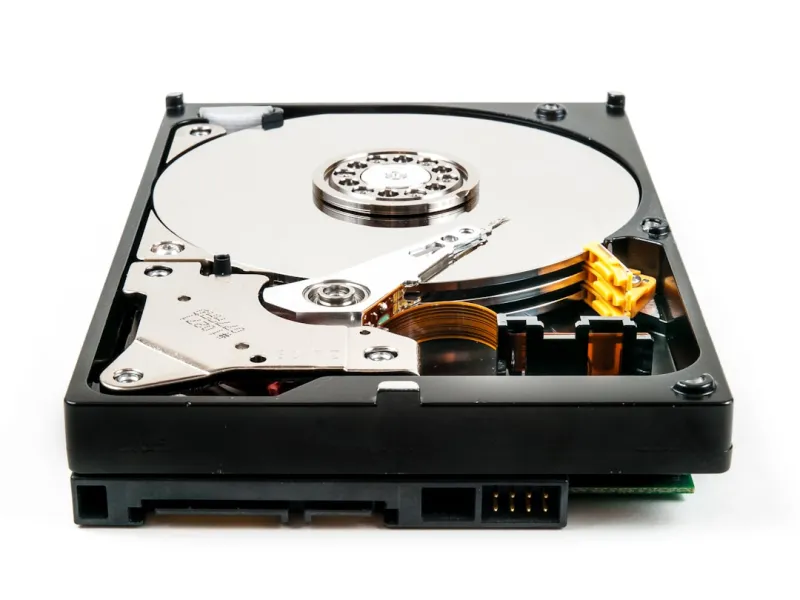
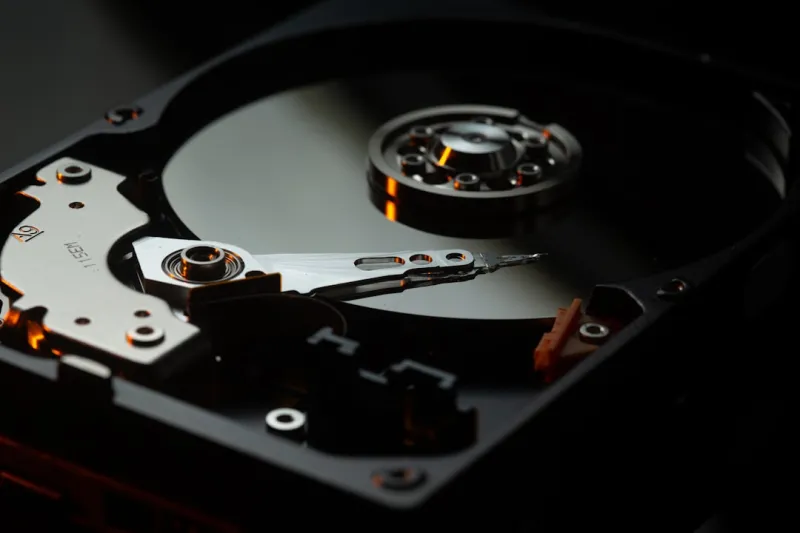
Traditional hard drives have been around since the 1950s and have undergone significant changes over the years. They consist of one or more platters coated with a magnetic material, a read/write head that floats above the platters, and a motor that spins the platters at high speeds. While hard drives have increased in storage capacity and decreased in size, they still have limitations. They are prone to mechanical failure, generate heat, and can be slow compared to SSDs.
The Rise of SSDs and Cloud Storage
The increasing popularity of SSDs and cloud storage has led some to question the future of hard drives. SSDs offer faster read and write speeds, lower power consumption, and greater reliability than traditional hard drives. Cloud storage has also become a popular option, allowing users to store and access their data from anywhere. However, hard drives still offer a cost-effective solution for large-capacity storage needs. For example, upgrading your PC's storage can be a cost-effective way to boost performance.
Advancements in Hard Drive Technology
Despite the rise of SSDs and cloud storage, hard drive manufacturers have continued to innovate and improve their products. Recent advancements include the development of HAMR (Heat-Assisted Magnetic Recording) and MAMR (Microwave-Assisted Magnetic Recording) technologies, which enable higher storage densities and faster write speeds. Additionally, the introduction of shingled magnetic recording has allowed for more efficient use of disk space. These advancements have enabled hard drives to remain competitive in terms of storage capacity and performance.
The Importance of Data Security
As data storage needs continue to grow, data security has become a top concern. Hard drives, like any other storage device, are vulnerable to data breaches and cyber attacks. It's essential to implement robust security measures, such as computer encryption, to protect sensitive data. By encrypting data on hard drives, users can ensure that even if their devices are compromised, their data remains secure.
The Future of Hard Drives
So, what does the future hold for hard drives? While SSDs and cloud storage will likely continue to grow in popularity, hard drives will still have a place in the market. They offer a cost-effective solution for large-capacity storage needs and will continue to evolve with advancements in technology. We can expect to see further increases in storage capacity, faster read and write speeds, and improved reliability. Additionally, the integration of artificial intelligence and machine learning may lead to more efficient data management and storage solutions.
Emerging Trends and Technologies
The hard drive industry is also seeing emerging trends and technologies, such as the development of 3D XPoint storage, which offers faster performance and lower latency than traditional hard drives. Another trend is the increasing use of hybrid hard drives, which combine traditional hard drives with SSDs to offer improved performance and capacity. These emerging trends and technologies will likely play a significant role in shaping the future of hard drives.
Conclusion
In conclusion, while hard drives may not be as flashy as SSDs or cloud storage, they still have a vital role to play in the world of data storage. With ongoing advancements in technology and a focus on data security, hard drives will continue to evolve and adapt to meet the changing needs of users. Whether you're a consumer, business, or organization, understanding the current state and future of hard drives is essential for making informed decisions about your data storage needs.
Final Thoughts
As we look to the future, it's clear that hard drives will continue to be an essential component in the computer industry. By staying informed about the latest trends and technologies, users can make the most of their hard drives and ensure that their data is secure and easily accessible. For more information on optimizing your computer's performance, check out our article on streamlining your workflow with Microsoft Office.