The Evolution of Hard Drives: A Comprehensive Overview
As a computer enthusiast, I've always been fascinated by the rapid evolution of hard drives. From the early days of floppy disks to the current era of solid-state drives (SSDs), the storage landscape has undergone a significant transformation. In this article, I'll take you on a journey through the history of hard drives, exploring their development, trends, threats, and solutions. Whether you're a seasoned tech expert or a newcomer to the world of computer hardware, this comprehensive overview will provide valuable insights into the world of hard drives.
The Early Days of Hard Drives
The first hard drive, introduced by IBM in 1956, was a massive device that weighed over 900 kg and had a storage capacity of just 5 MB. Fast forward to the 1980s, and we saw the introduction of the first SSDs, which used flash memory to store data. However, these early SSDs were expensive and had limited capacity. The 1990s saw the rise of IDE (Integrated Drive Electronics) and SCSI (Small Computer System Interface) hard drives, which became the standard for computer storage. As technology advanced, hard drives became smaller, faster, and more affordable, paving the way for the widespread adoption of computers.
The Rise of Solid-State Drives
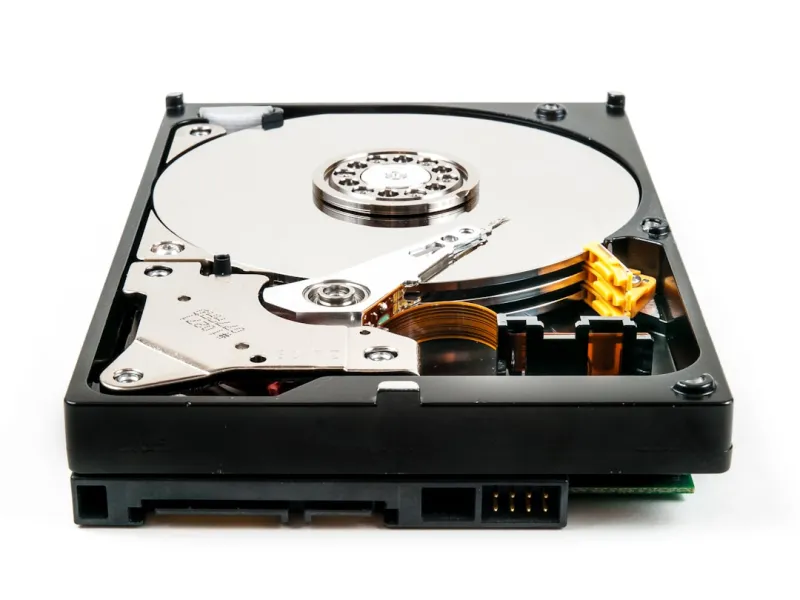
In recent years, SSDs have gained popularity due to their high-speed performance, low power consumption, and reliability. Unlike traditional hard disk drives (HDDs), SSDs use flash memory to store data, eliminating moving parts and reducing the risk of mechanical failure. This makes SSDs an attractive option for applications that require high-speed data access, such as gaming, video editing, and data analytics. As SSD technology continues to evolve, we can expect to see even faster speeds, higher capacities, and lower prices.
The Future of Hard Drives
So, what does the future hold for hard drives? According to my research on The Future of Hard Drives: Trends, Threats, and Solutions, the industry is shifting towards more advanced storage technologies, such as 3D XPoint and phase-change memory. These new technologies promise to deliver even faster speeds, higher capacities, and lower power consumption. Additionally, the increasing adoption of cloud storage and network-attached storage (NAS) solutions is changing the way we store and access data.
Trends and Threats
The hard drive industry is facing several trends and threats, including the growing demand for data storage, the rise of cloud storage, and the increasing need for data security. As data storage needs continue to grow, hard drive manufacturers must develop innovative solutions to meet these demands. The rise of cloud storage has also led to a decline in demand for traditional hard drives, forcing manufacturers to adapt to changing market conditions. Furthermore, the increasing threat of cyber attacks and data breaches has highlighted the need for robust data security solutions.
Solutions and Opportunities
Despite the challenges, the hard drive industry is poised for growth and innovation. The increasing demand for data storage and the need for faster, more secure storage solutions present opportunities for hard drive manufacturers to develop new technologies and products. For example, upgrading your computer's hard drive to an SSD can significantly improve performance and reliability. Additionally, the adoption of advanced storage technologies, such as 3D XPoint and phase-change memory, is expected to drive growth and innovation in the industry.
Conclusion
In conclusion, the evolution of hard drives has been a remarkable journey, from the early days of floppy disks to the current era of SSDs. As technology continues to advance, we can expect to see even faster speeds, higher capacities, and lower prices. Whether you're a seasoned tech expert or a newcomer to the world of computer hardware, understanding the trends, threats, and solutions in the hard drive industry is essential for making informed decisions about your computer's storage needs.
Final Thoughts
As we look to the future, it's clear that the hard drive industry will continue to evolve and innovate. With the increasing demand for data storage, the rise of cloud storage, and the need for robust data security solutions, hard drive manufacturers must adapt to changing market conditions. By staying informed about the latest trends, threats, and solutions, you can make the most of your computer's storage capabilities and stay ahead of the curve.