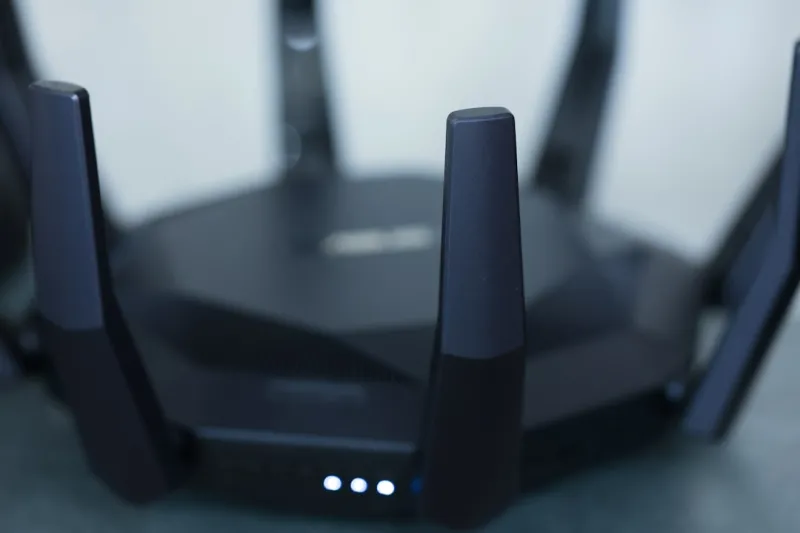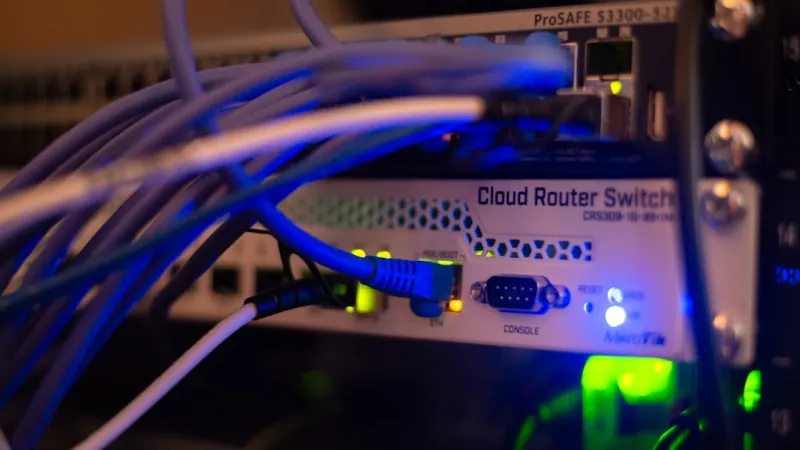


The world of computer networking has undergone significant transformations over the years, with new technologies and threats emerging at an unprecedented rate. As someone who has been in the industry for a while, I've seen firsthand the impact of these changes on businesses and individuals alike. In this article, I'll share my insights on the evolution of computer networking, the current trends and threats, and what the future holds for this rapidly evolving field.
The Evolution of Computer Networking
Computer networking has come a long way since its inception. From the early days of local area networks (LANs) to the current era of cloud computing and software-defined networking (SDN), the field has witnessed tremendous growth and innovation. The widespread adoption of the internet in the 1990s marked a significant turning point, enabling global connectivity and communication. Today, computer networking is a critical component of modern computing, facilitating communication, collaboration, and data exchange between devices and systems.
The evolution of computer networking has been shaped by several factors, including advances in technology, changing user needs, and the rise of new threats. One of the key drivers of this evolution has been the increasing demand for faster, more reliable, and more secure networks. This has led to the development of new technologies, such as fiber optic cables, wireless networking, and network virtualization.
Current Trends in Computer Networking
So, what are the current trends in computer networking? One of the most significant trends is the adoption of cloud computing. Cloud computing has revolutionized the way we work, enabling on-demand access to computing resources and applications over the internet. This trend has been driven by the need for greater flexibility, scalability, and cost-effectiveness. Another trend is the increasing use of software-defined networking (SDN), which enables network administrators to manage and configure networks programmatically.
Other notable trends include the growing use of Internet of Things (IoT) devices, which are driving the need for more robust and secure networks. The rise of artificial intelligence (AI) and machine learning (ML) is also having a significant impact on computer networking, enabling network administrators to analyze and respond to network threats more effectively.
Threats to Computer Networking
While computer networking has many benefits, it also poses significant threats to individuals and organizations. One of the most significant threats is cybersecurity risk. As networks become more complex and interconnected, they also become more vulnerable to cyber threats, such as hacking, malware, and ransomware. To stay safe in the digital age, it's essential to understand the evolving threat landscape of computer security, which I discussed in more detail in my previous article Staying Safe in the Digital Age: The Evolving Threat Landscape of Computer Security.
Another threat to computer networking is network downtime, which can have significant financial and reputational consequences for businesses. Network downtime can be caused by a variety of factors, including hardware failures, software bugs, and cyber attacks. To mitigate this risk, network administrators must implement robust monitoring and troubleshooting tools, such as those discussed in my article Troubleshooting Memory: A Comprehensive Guide to Diagnosing and Fixing RAM Issues.
The Future of Computer Networking
So, what does the future hold for computer networking? One thing is certain: the field will continue to evolve rapidly, driven by advances in technology and changing user needs. One of the most significant trends that will shape the future of computer networking is the increasing use of artificial intelligence (AI) and machine learning (ML). AI and ML will enable network administrators to analyze and respond to network threats more effectively, and to optimize network performance and security.
Another trend that will shape the future of computer networking is the growing use of edge computing. Edge computing involves processing data closer to where it is generated, reducing latency and improving real-time processing. This trend will drive the need for more robust and secure networks, as well as new technologies, such as 5G and Wi-Fi 6.
Conclusion
In conclusion, the world of computer networking is rapidly evolving, driven by advances in technology and changing user needs. As network administrators, it's essential to stay up-to-date with the latest trends and threats, and to implement robust security and troubleshooting measures to mitigate risk. By understanding the evolution of computer networking, current trends and threats, and the future of the field, we can unlock the full potential of computer networking and drive innovation and growth.
To learn more about computer networking and related topics, check out my other articles, such as Unlocking Productivity: How Microsoft Office Can Revolutionize Your Workday and The Evolution of Computer Networking: Trends, Threats, and Solutions. I hope this article has provided valuable insights and information on the state of computer networking today.