As we continue to generate and store more data than ever before, the importance of reliable and efficient hard drives cannot be overstated. In this article, we'll take a closer look at the current state of hard drives, their evolution over the years, and what the future holds for these crucial components. Whether you're a tech enthusiast or just someone looking to upgrade their computer, this comprehensive guide will provide you with valuable insights and practical advice.
The Evolution of Hard Drives: A Brief History
The first hard drive, invented in 1956, was a massive device that weighed over 900 kg and had a storage capacity of just 5 MB. Fast forward to today, and we have hard drives that can store up to 20 TB of data and fit in the palm of our hand. This incredible progress has been made possible by advances in technology, including the development of new storage media, such as solid-state drives (SSDs), and improvements in manufacturing processes. For those interested in learning more about the evolution of computer hardware, I recommend checking out The Future of Computer Hardware: Trends, Threats, and Solutions for a more in-depth look.
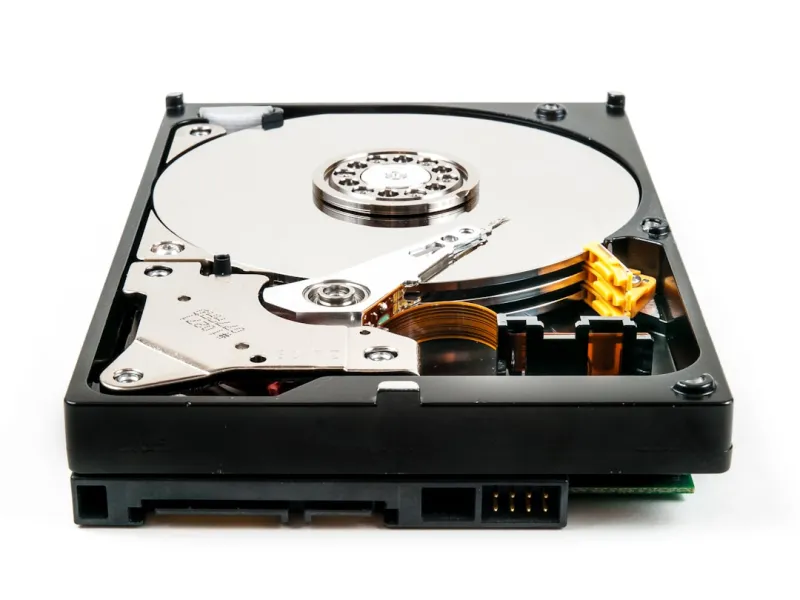
One of the most significant milestones in the evolution of hard drives was the introduction of SSDs, which use flash memory to store data. SSDs offer several advantages over traditional hard disk drives (HDDs), including faster read and write speeds, lower power consumption, and greater reliability. As a result, SSDs have become increasingly popular in recent years, and are now a common feature in many modern computers. However, HDDs still have their place in the market, particularly for applications that require large amounts of storage capacity at a lower cost.
The State of Hard Drives Today
So, what is the current state of hard drives? In short, hard drives continue to play a vital role in modern computing, with both HDDs and SSDs offering a range of benefits and drawbacks. HDDs remain the most popular choice for storing large amounts of data, such as movies, music, and documents, while SSDs are ideal for applications that require fast loading times and responsive performance, such as gaming and video editing. For those looking to upgrade their computer, I recommend checking out Unlocking PC Potential: A Comprehensive Guide to Upgrading Your Computer for some valuable tips and advice.
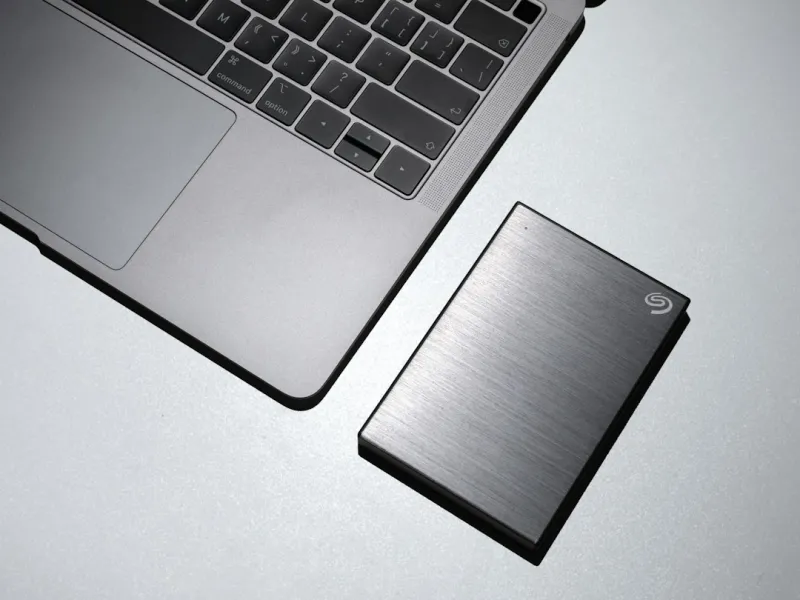
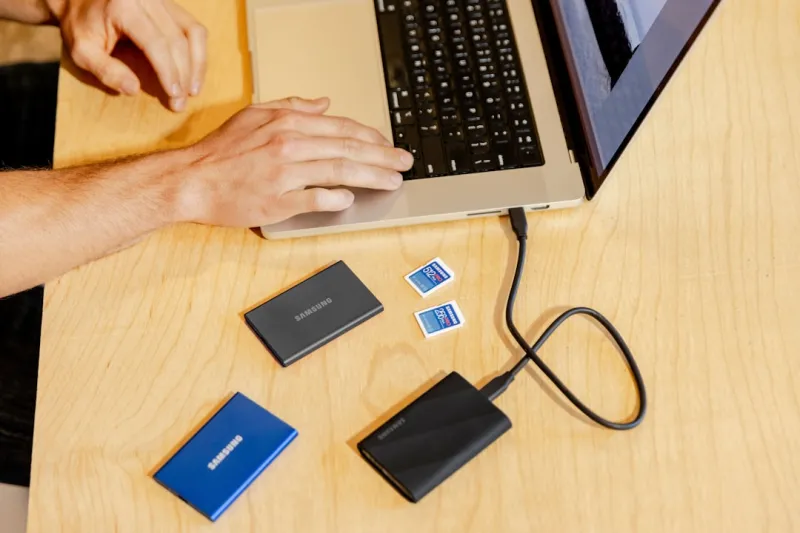
When it comes to choosing a hard drive, there are several factors to consider, including storage capacity, read and write speeds, and power consumption. Additionally, with the rise of cloud storage and external hard drives, there are now more options than ever for storing and accessing data. However, this increased complexity can also make it more difficult to choose the right hard drive for your needs. In the next section, we'll take a closer look at some of the key trends and technologies shaping the future of hard drives.
The Future of Hard Drives: Trends and Technologies
So, what does the future hold for hard drives? One trend that is likely to continue is the increasing adoption of SSDs, which are expected to become even faster and more affordable in the coming years. Another trend is the development of new storage technologies, such as 3D XPoint and phase-change memory, which offer even faster read and write speeds and greater storage density. For those interested in learning more about the future of computer storage, I recommend checking out The State of Hard Drives: Understanding the Evolution of Data Storage for a more in-depth look.
In addition to these technological advancements, there are also several emerging trends that are likely to shape the future of hard drives. One of these trends is the increasing use of cloud storage and external hard drives, which are becoming more popular as a way to store and access data. Another trend is the growing concern about data security and the need for more secure hard drives that can protect against cyber threats. As a result, we can expect to see more hard drives with built-in encryption and other security features in the future.
The Importance of Data Security
Data security is a critical concern for anyone who stores sensitive information on their computer. With the rise of cyber threats and data breaches, it's more important than ever to ensure that your data is protected. One way to do this is to use a hard drive with built-in encryption, which can help to protect your data against unauthorized access. For those interested in learning more about computer encryption, I recommend checking out The Future of Computer Encryption: Trends, Threats, and Solutions for a more in-depth look.
In addition to using a secure hard drive, there are several other steps you can take to protect your data. These include using strong passwords, keeping your operating system and software up to date, and using antivirus software to protect against malware. By taking these steps, you can help to ensure that your data is safe and secure.
Conclusion
In conclusion, hard drives continue to play a vital role in modern computing, with both HDDs and SSDs offering a range of benefits and drawbacks. As technology continues to evolve, we can expect to see even faster and more secure hard drives in the future. Whether you're a tech enthusiast or just someone looking to upgrade their computer, it's essential to stay informed about the latest trends and technologies in the world of hard drives. By doing so, you can make informed decisions about your data storage needs and ensure that your data is safe and secure.
Finally, I want to thank you for reading this article, and I hope that you have found it informative and helpful. If you have any questions or comments, please don't hesitate to reach out. I'm always here to help and look forward to hearing from you.