When I first powered up a Windows machine back in the early 2010s, the OS felt like an untamed frontier—exciting, but riddled with quirks. Fast‑forward to 2026, and the Windows ecosystem has matured into a sophisticated, AI‑infused platform that still manages to surprise me daily. As someone who lives on the edge of tech trends and spends countless nights troubleshooting, I’ve learned that the real magic of Windows today isn’t just in its polished UI, but in the hidden layers of performance, security, and adaptability that most users overlook. In this deep dive, I’ll unpack the latest Windows developments, why they matter to power users and casual folks alike, and how you can harness the OS to stay ahead of the curve without drowning in endless updates or cryptic error codes.
The Evolution of the Windows Experience
Windows 11 set a new benchmark for visual elegance, but 2026 has ushered in a series of subtle yet powerful refinements that feel like a natural extension of the original vision. The new “Fluid Design” engine now leverages hardware‑accelerated composition to deliver buttery‑smooth animations even on mid‑range laptops, while the revamped Start menu learns your workflow patterns, surfacing apps before you even think to click them. Meanwhile, the long‑rumored Windows 12, now codenamed “Aurora,” is rolling out preview builds that integrate generative AI assistants directly into the taskbar, offering context‑aware suggestions for everything from file organization to code snippets. For power users like me, these enhancements translate into measurable productivity gains—less time hunting for tools and more time executing ideas. If you’re still on Windows 10, you’re missing out on these nuanced upgrades that keep the OS feeling fresh and responsive year after year.
AI‑Driven Security: The New Frontline
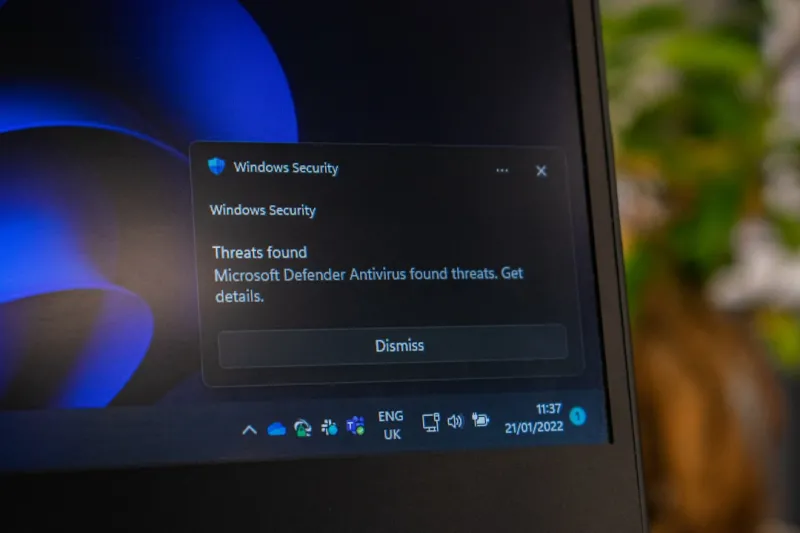
One of the most transformative shifts in Windows 2026 is the integration of AI at the core of its security stack. Traditional signatures are giving way to predictive models that identify malicious behavior before a threat even lands on your device. This proactive approach is a game‑changer in an era where ransomware and AI‑crafted malware evolve at breakneck speed. Microsoft’s AI Security Playbook outlines how these defenses work in real time, leveraging cloud‑based threat intelligence to quarantine suspicious processes within seconds. As someone who’s seen a malware outbreak cripple a client’s network in minutes, I can attest that these AI layers are the difference between a minor inconvenience and a full‑scale disaster. Pair this with Windows Defender’s deep integration, and you have a defense system that adapts as fast as the threats it faces.
Why Timely Updates Are No Longer Optional
In the past, I’d treat Windows updates like an optional chore—something to be postponed until the weekend. That mindset is dead weight in 2026. Microsoft now bundles critical security patches, driver optimizations, and AI model refinements into a single, streamlined update cadence that arrives every second Tuesday. Skipping these updates isn’t just risky; it actively weakens your system’s ability to fend off emerging AI‑driven exploits. The Essential PC Updates guide walks you through automating these patches while preserving your custom settings, ensuring you never miss a beat. By embracing the update rhythm, you not only protect against known vulnerabilities but also benefit from performance tweaks that can shave milliseconds off boot times—a subtle edge that accumulates over weeks of daily use.
Hardware Compatibility and the Upgrade Playbook
Windows 2026 is designed to be a chameleon, molding itself to a spectrum of hardware configurations—from ultra‑thin ARM‑based laptops to high‑end RTX‑ready desktops. However, to truly unlock the OS’s potential, you need a rig that can keep up with its AI workloads and graphics demands. That’s where the Essential PC Upgrades guide becomes invaluable. Upgrading to a DDR5‑5600 RAM kit, swapping in an NVMe 4.0 SSD, or adding a mid‑range 12‑core processor can dramatically reduce the latency of AI‑assisted features like Copilot and live translation. I personally upgraded my workstation with a 32 GB kit and a 2 TB PCIe 5.0 SSD last spring, and the difference was night and day—file indexing that once took minutes now completes in seconds, and multitasking feels frictionless.
The Blue Screen Myth—Why It Still Happens and How to Fix It
Even with all the AI safeguards, the infamous Blue Screen of Death (BSOD) continues to haunt Windows users, especially when new drivers clash with legacy software. The key to demystifying these crashes lies in understanding the underlying error codes and the role of firmware. In my experience, most BSODs in 2026 stem from outdated chipset drivers or rogue kernel extensions trying to access protected memory. The deep dive in Why the Blue Screen Still Haunts Modern PCs offers a systematic approach: start with a clean boot, verify your BIOS is on the latest version, and use Windows Debugger to trace the offending module. By following these steps, you can turn a dreaded crash into a learning moment, reinforcing the resilience of your system rather than accepting it as inevitable.
AI‑Enhanced Productivity in Microsoft Office
If you thought AI was only for developers, think again. Microsoft Office in 2026 has become a powerhouse of intelligent collaboration, with Copilot weaving context‑aware suggestions directly into Word, Excel, and Teams. Imagine drafting a proposal and having the AI auto‑generate a polished executive summary, or watching Excel predict trends based on historical data without a single formula entered. The article Unlocking Microsoft Office in 2026 walks you through enabling these features, from toggling the Copilot pane to securing sensitive data with AI‑driven encryption. As a writer and occasional spreadsheet wizard, I’ve saved hours each week by letting the AI handle routine formatting and data cleaning, allowing me to focus on strategy and creativity.
Gaming on Windows: DirectX 13 and the Future‑Proof Pipeline
For gamers, Windows remains the undisputed king, and 2026 has raised the stakes with the rollout of DirectX 13, which introduces hardware‑accelerated ray tracing, variable rate shading, and AI‑upscaled textures that make even mid‑range GPUs look like flagship rigs. Pair this with the new “Game Mode+” scheduler, which intelligently allocates CPU cores to prioritize game threads while keeping background tasks responsive. The result? Consistently higher frame rates and smoother VR experiences without sacrificing desktop performance. If you’re eyeing a performance boost, consider upgrading to a GPU that supports DLSS 3.5 or FidelityFX Super Resolution 2—both technologies leverage AI to render frames faster, delivering crisp visuals on a broader range of hardware.
Building a Resilient PC in the Age of AI‑Driven Threats
Resilience isn’t just about raw horsepower; it’s about constructing a system that can absorb, adapt, and recover from attacks or hardware failures. The Building a Resilient PC guide emphasizes a layered approach: start with a reputable motherboard that supports secure boot and TPM 2.0, add redundant storage via RAID‑1 or ZFS for critical data, and incorporate a hardware firewall for network isolation. I recently assembled a workstation using a motherboard with built‑in AI threat detection that alerts me to suspicious firmware changes before they manifest. Coupled with regular system snapshots and a solid backup strategy, this setup has proven to be a fortress—even when a zero‑day exploit tried to infiltrate via a compromised USB device.
Looking Ahead: Your Role in Shaping Windows’ Future
Windows 2026 is a living platform, continuously refined by feedback from users like us. Whether you’re a developer, gamer, or office worker, your interaction with the OS helps steer its direction. By staying on top of updates, embracing AI‑driven tools, and sharing insights in communities, you become part of a collaborative ecosystem that drives innovation. I encourage you to experiment with the new Copilot features, test the latest DirectX 13 titles, and contribute to forums that discuss blue‑screen diagnostics. The future of Windows isn’t a distant, monolithic release; it’s built daily by the choices we make on our machines. So, power up, explore, and let’s shape the next chapter together.