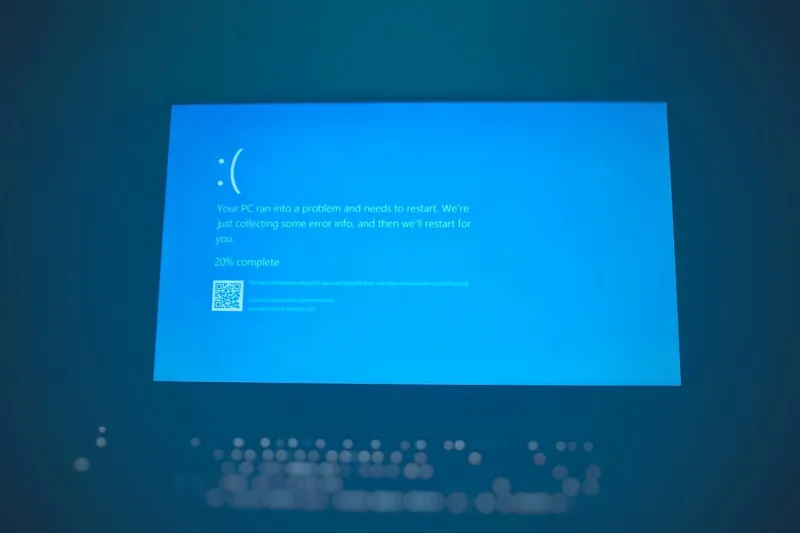
When I first saw the infamous blue screen flicker across my monitor back in the early 2010s, I thought it was a relic of the past—something only the least‑maintained rigs suffered. Fast forward to 2026, and the BSOD remains a stubborn reminder that even the most cutting‑edge hardware can betray you in an instant. As a longtime PC enthusiast and the guy who’s spent countless nights coaxing stubborn machines back to life, I’ve learned that the blue screen isn’t just a random glitch; it’s a symptom, a diagnostic clue that your system is screaming for help. In this post, I’m pulling back the curtain on why your PC still throws a blue screen, how AI‑driven threats are sneaking into the mix, and what practical steps you can take to turn that dreaded error into a manageable event. Buckle up, because we’re diving deep into the hardware, software, and security layers that converge on that ominous shade of azure.
Understanding the Core Triggers Behind the Blue Screen
The first thing to realize is that a blue screen is rarely a mystical curse; it’s a well‑documented kernel‑level exception that Windows throws when it can no longer safely continue operation. In 2026, the most common culprits still echo the classic trio: faulty memory, driver conflicts, and storage failures. Yet the landscape has subtly shifted—modern systems now juggle AI‑accelerated workloads, and a single misbehaving neural‑network driver can tip the balance. When the kernel detects an unrecoverable error, it dumps a “STOP” code that, if you know how to read it, points directly at the offender. The trick is to avoid the panic and treat the STOP code as a breadcrumb trail. Tools like WinDbg, integrated into Windows 11/12, can translate those cryptic hex strings into human‑readable diagnostics, letting you pinpoint whether a rogue driver, a bad RAM stick, or a corrupted system file is the offender. Understanding this foundation is the first step toward turning the blue screen from a terrifying mystery into a solvable puzzle.
AI‑Driven Threats: The New Frontier of BSOD Triggers
Artificial intelligence isn’t just reshaping productivity; it’s also redefining how malicious actors target PCs. In 2026, AI‑enhanced malware can manipulate system calls and corrupt kernel memory, leading to spontaneous blue screens that masquerade as hardware failures. These sophisticated attacks often exploit zero‑day vulnerabilities in driver stacks, slipping past traditional antivirus signatures. That’s why the AI Security Playbook emphasizes a layered defense: real‑time behavior monitoring, AI‑powered threat detection, and strict driver signing policies. By deploying an AI‑aware endpoint solution, you give your PC a second set of eyes that can flag abnormal kernel interactions before they crash the system. It’s a proactive approach that complements classic troubleshooting—think of it as hiring a digital guard dog that patrols the very core of your operating system, ready to bark at any suspicious activity that might otherwise culminate in a blue screen.
Modern Diagnostic Tools: Turning Data Into Action
Gone are the days of staring at cryptic error messages and hoping for a miracle. In 2026, Windows offers a suite of built‑in diagnostic utilities that transform raw data into actionable insight. The Windows Event Viewer now aggregates kernel‑mode crash dumps alongside AI‑generated risk scores, allowing you to see not just what failed, but why it might have been targeted. The “Memory Diagnostic” tool runs exhaustive RAM tests, while “Check Disk” (chkdsk) now integrates SSD wear‑level analysis to catch failing NAND cells before they cause a fatal write error. Additionally, the new “Driver Verifier” can be toggled on a per‑driver basis, stress‑testing each component under simulated load. When a blue screen occurs, the system automatically creates a minidump file in the C:\\Windows\\Minidump folder. Feeding this file into the “Windows Debugger” (WinDbg) or the online “Dump Analyzer” gives you a clear breakdown of the offending module, its version, and any associated error codes. Leveraging these tools turns a reactive nightmare into a proactive maintenance routine.
Memory, Storage, and the Hidden Costs of Speed
Speed is seductive, but with great performance comes great responsibility—especially when it comes to memory and storage. High‑frequency DDR5 RAM pushes data through the motherboard at blistering rates, yet even a single bad chip can trigger a STOP error that looks identical to a driver fault. Running a full memory scan after any hardware upgrade is non‑negotiable; the “MemTest86+” utility, now AI‑enhanced, can predict failure patterns based on thermal and voltage anomalies. Storage, too, has evolved. While NVMe SSDs boast terabytes of capacity, they also suffer from wear‑leveling issues that can corrupt the file system over time. In my experience, a simple “fsutil behavior set disabledeletenotify 0” command can mitigate some of the premature wear caused by aggressive caching. If you’re still relying on older SATA drives, consider the insights from Why Modern Hard Drives Are Still the Backbone of Creative Workflows—they remain a reliable fallback for archival data, reducing the strain on your primary SSD and lowering the odds of a sudden crash.
Driver Integrity: The Unsung Hero of System Stability
Drivers are the translators between your hardware and Windows, and a mistranslation can be fatal. In 2026, Microsoft’s driver signing enforcement is stricter than ever, but rogue developers still manage to slip unsigned binaries into the ecosystem, especially via third‑party AI tools that auto‑generate code. The key is to audit your driver list regularly. Open an elevated PowerShell window and run Get-WinEvent -LogName System | Where-Object {$_.Id -eq 1001} to surface recent driver‑related events. If you spot a driver that hasn’t been updated in over a year, it’s time to check the manufacturer’s website or the Windows Update catalog. Moreover, the new “Driver Integrity Monitor” integrates with the OS to compare the hash of each driver against a cloud‑based whitelist, alerting you instantly if a file has been tampered with. By maintaining a clean driver environment, you dramatically reduce the probability that a blue screen is caused by an obscure incompatibility or a malicious injection.
Building a Resilient PC in the Age of AI‑Driven Threats
When you design a system that can weather both hardware stress and AI‑powered attacks, you’re essentially future‑proofing your investment. The article Building a Resilient PC in the Age of AI‑Driven Threats outlines a roadmap that starts with selecting a motherboard that supports secure boot, TPM 2.0, and firmware‑level AI monitoring. Pair that with a reputable power supply that offers clean, stable voltage to avoid memory corruption. Don’t forget to allocate a dedicated NVMe slot for the OS and another for data; this separation isolates critical system files from the wear‑induced errors that can accumulate on a heavily used drive. Finally, incorporate a hardware‑based firewall and an AI‑aware endpoint protector that can sandbox suspicious processes before they reach kernel space. By approaching your build with security and stability as co‑equal pillars, you’ll find that blue screens become rare, predictable events rather than catastrophic surprises.
Preventive Maintenance: Turning Routine Into Resilience
Maintenance isn’t a one‑time event; it’s a disciplined schedule that pays dividends in uptime. In 2026, I recommend a quarterly “Blue Screen Audit”: check Windows Update for driver patches, run a full memory diagnostic, and scan your SSD’s SMART data using tools like “CrystalDiskInfo AI”. Additionally, enable automatic system restore points before any major Windows feature update, ensuring you can roll back if a new driver triggers instability. Don’t overlook the power of regular backups—use a combination of cloud sync for essential documents and a local encrypted external drive for system images. Encryption, as highlighted in the Why Encryption Is the Non‑Negotiable Backbone of Modern PC Security piece, not only protects your data but also adds a layer of integrity checking that can detect unauthorized modifications before they cause a crash. Consistency in these practices transforms your PC from a reactive victim into a proactive, resilient workstation.
When to Reinstall: Recognizing the Point of Diminishing Returns
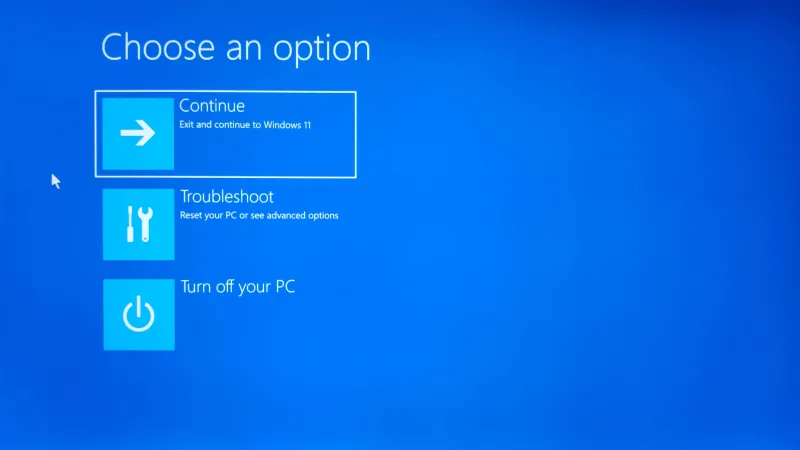
Sometimes, despite diligent troubleshooting, the underlying issue lies deep within the OS itself—corrupted system files, lingering registry errors, or a buildup of orphaned drivers that no longer serve a purpose. In those cases, a clean reinstall of Windows can be the most efficient solution. Before you wipe the slate, back up your user profile, applications list, and license keys. Use the Windows “Reset this PC” feature with the “Keep my files” option for a quick refresh, or perform a full clean install from a bootable USB if you suspect a deeper infection. After reinstalling, reinstall drivers directly from the hardware manufacturer’s site rather than relying on Windows Update alone. This approach eliminates hidden cruft that can trigger blue screens and gives you a fresh baseline to monitor future stability. Remember, a clean OS isn’t a sign of defeat; it’s a strategic retreat that lets you rebuild stronger.
Wrapping Up: From Panic to Proactive Mastery
The blue screen will likely continue to haunt PCs for the foreseeable future, but it doesn’t have to be a source of dread. By understanding the root causes—whether they’re hardware faults, driver mishaps, or AI‑driven malware—and leveraging the sophisticated diagnostic tools available in 2026, you can turn each crash into a learning opportunity. Combine that knowledge with a resilient hardware build, rigorous maintenance routines, and a security‑first mindset, and you’ll find that blue screens become rare anomalies rather than daily interruptions. If you’ve followed this guide, you’re now equipped to diagnose, prevent, and, when necessary, recover from those dreaded azure moments with confidence. Keep your system updated, stay vigilant against AI threats, and never underestimate the power of a well‑executed maintenance plan. Happy computing, and may your screens stay green—or at least, stay functional.