When I first booted Windows on a fresh build back in 2024, the experience felt like stepping onto a moving treadmill—fast, but a little unsteady. Fast forward to 2026, and Microsoft has finally given us a platform that feels like a well‑tuned sports car: responsive, secure, and surprisingly intuitive for power users and everyday folks alike. The latest Windows release leans heavily into AI‑driven assistance, from context‑aware file suggestions to real‑time threat mitigation that learns from your habits without compromising privacy. This evolution isn’t just a cosmetic overhaul; it represents a fundamental shift in how the OS interacts with both hardware and software ecosystems. As someone who lives at the intersection of hardware tinkering and software development, I’ve watched Windows adapt to the rise of PCIe 5.0 GPUs, DDR5 6000+ RAM, and even the resurgence of high‑capacity SSDs that challenge the old hard‑drive paradigm. In this post, I’ll break down the most compelling Windows features of 2026, why they matter to a tech‑savvy audience, and how you can leverage them to extract maximum performance from your machine.
AI Integration: From Assistant to Co‑Pilot
Microsoft’s most talked‑about addition this year is the new Windows Copilot, which goes beyond a simple voice assistant to become an integrated development partner. Imagine typing a command in PowerShell, and Copilot instantly suggests an optimized script based on your recent project patterns, all while flagging potential security holes using the same engine that powers Microsoft Defender’s Zero‑Trust model. This isn’t just a novelty; it’s a productivity multiplier for developers who juggle multiple environments. The Copilot also learns from the apps you use most, surfacing shortcuts, automating repetitive tasks, and even pre‑loading drivers for newly attached hardware—something that used to require manual intervention or third‑party utilities. For power users, this means less time fiddling with settings and more time building, testing, and deploying. And because the AI runs locally when possible, it respects the growing demand for data sovereignty, a concern that’s become central in the post‑pandemic digital landscape.
Security Takes Center Stage
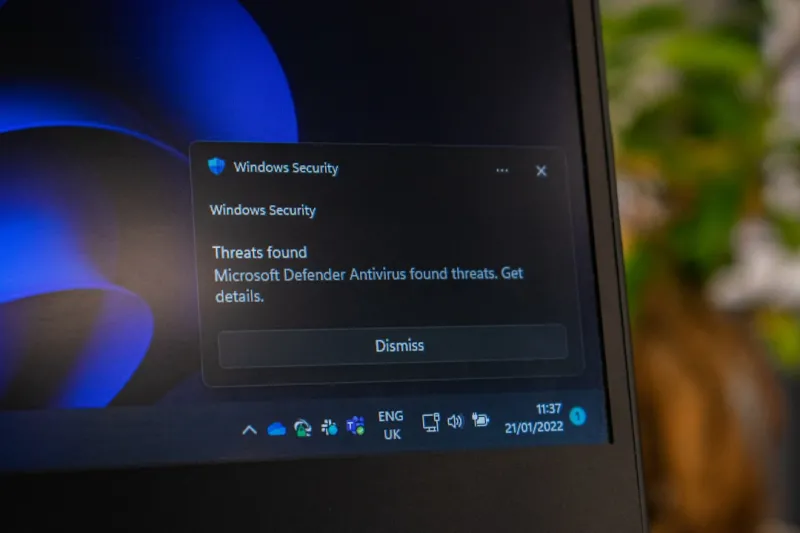
Security in 2026 is no longer an afterthought; it’s woven into the fabric of the OS. Microsoft has introduced an advanced version of Secure Boot that incorporates hardware‑based attestation, meaning the system verifies every firmware component before the OS even loads. Coupled with the revamped Windows Hello, which now supports multimodal biometric fusion—combining facial recognition, fingerprint, and voice patterns—authentication feels both seamless and robust. The real game‑changer, however, is the integration of Operating Systems in 2026: AI, Security, and the Future of Computing concepts directly into the kernel. Real‑time anomaly detection watches for unusual process behavior, isolating threats before they can spread. This is especially valuable for users who run VMs or container workloads on their desktops, as the OS can now sandbox suspicious activity at a granular level without sacrificing performance. The result is a Windows experience that feels both lighter and tougher, a rare combination in modern OS design.
Performance Optimizations for Modern Hardware
Windows 2026 has been meticulously tuned for the hardware breakthroughs of the last two years. With PCIe 5.0 SSDs now mainstream, the OS’s storage stack has been rearchitected to reduce latency by up to 30 % when handling sequential and random I/O. This is complemented by a new scheduler that intelligently balances workloads between NVMe drives and the increasingly popular high‑capacity SATA SSDs that still dominate cost‑effective storage. On the graphics front, the OS now natively supports DirectX 13, unlocking higher frame rates and better ray‑tracing performance without the need for driver patches. For those who love to overclock, Windows now offers a built‑in “Performance Profiles” pane that automatically adjusts power plans, core parking, and memory timings based on the workload—whether you’re gaming, rendering, or compiling code. These refinements make a tangible difference, especially when paired with the latest DDR5 6000+ modules, which the OS can now schedule more efficiently across NUMA nodes, reducing memory contention in multi‑threaded applications.
Hardware Compatibility and Future‑Proofing
If you’ve ever upgraded a PC only to find your OS lagging behind, you’ll appreciate how Windows 2026 addresses that pain point. The new Plug‑and‑Play subsystem can detect and configure cutting‑edge components—like the latest Wi‑Fi 7 cards or Thunderbolt 5 docks—without manual driver hunting. Moreover, Microsoft has partnered with major motherboard manufacturers to expose BIOS‑level telemetry through the OS, giving users insights into power delivery, thermal margins, and even VRM health directly from the Settings app. This level of visibility is a boon for builders who want to push their rigs to the limit while staying within safe operating parameters. For those still using traditional spinning drives, Windows continues to support them natively, but adds a tiered caching algorithm that intelligently moves frequently accessed data to faster storage tiers, extending the life and relevance of legacy hardware.
Software Ecosystem: Embracing the Cloud and Edge
One of the most subtle yet powerful shifts in Windows 2026 is how the OS treats cloud services as extensions of the local environment. With the new “Windows Cloud Sync” hub, you can stream applications from Azure directly to your desktop, experiencing near‑native performance thanks to Microsoft’s edge‑first network optimizations. This is especially handy for developers who need heavyweight IDEs or databases on modest hardware; the heavy lifting happens in the cloud, while the UI remains buttery smooth on the local machine. The OS also integrates tightly with Microsoft’s Zero‑Trust framework, enabling seamless, password‑less access to corporate resources. By leveraging token‑based authentication and continuous device posture assessments, Windows ensures that you’re always compliant with enterprise policies without the constant prompts that plagued earlier versions. This convergence of local and cloud workloads blurs the line between a traditional PC and a thin client, opening new possibilities for remote work and hybrid IT models.
Troubleshooting Made Intuitive
Even the most stable systems encounter hiccups, and Windows 2026 has stepped up its game in diagnosing issues before they become catastrophes. The new “Diagnostics Center” aggregates logs from the kernel, drivers, and even third‑party applications into a unified dashboard, applying AI‑driven pattern recognition to suggest fixes. For instance, if your GPU starts throttling unexpectedly, the system will prompt you with a link to Mastering GPU Troubleshooting: A Practical Guide for 2026, offering step‑by‑step instructions tailored to your hardware profile. Similarly, memory anomalies trigger alerts that reference Diagnosing and Fixing RAM Issues in the High‑Performance Era, guiding you through reseating modules or adjusting timings. This proactive approach reduces downtime and empowers users to resolve problems without diving deep into obscure forums or waiting for external support.
Upgrade Path: When and How to Refresh Your Windows Machine
Deciding whether to stick with your current Windows build or jump to the newest version can be daunting, especially when you’ve invested heavily in peripherals and custom cooling solutions. My recommendation is to evaluate three key criteria: driver compatibility, feature relevance, and hardware readiness. If your motherboard’s firmware supports the latest Secure Boot features and your SSD leverages PCIe 5.0, you’re primed for the performance boost. For users who prioritize new AI capabilities, the upgrade is almost mandatory, as older builds lack the kernel‑level hooks required for Copilot’s deeper integration. The good news is that Microsoft provides a streamlined migration tool that backs up your settings, applications, and even user profiles, then restores them on the fresh install—making the transition smoother than the infamous “upgrade hell” of a decade ago. For a step‑by‑step walkthrough, check out How to Upgrade Your PC in 2026: A Practical Guide for Power Users, which covers everything from BIOS tweaks to post‑install optimizations.
The Road Ahead: What to Expect from Future Windows Releases
Looking forward, Microsoft’s roadmap hints at a Windows that will become even more modular, allowing users to enable or disable core services much like you would on a Linux distribution. This “micro‑OS” approach aims to reduce bloat, improve boot times, and enhance security by minimizing attack surface. Expect deeper integration with AI assistants that can write code snippets, automate system restores, and even predict hardware failures before they happen—thanks to predictive analytics fed by telemetry from millions of devices. Additionally, the company is exploring a tighter bond with the Azure Edge network, potentially offloading heavy AI inference tasks to nearby data centers while keeping latency low enough for real‑time interactions. For enthusiasts, this means an OS that not only keeps pace with the rapid hardware innovations we see today but also anticipates the next wave of computing paradigms, ensuring Windows remains the backbone of both personal and professional computing environments.