When I first laid hands on a Windows machine back in the early 2000s, the OS felt like a static slab of code—stable, predictable, but never really “alive.” Fast‑forward to 2026, and that slab has morphed into a dynamic, AI‑infused partner that anticipates my next move before I even think about it. This transformation isn’t just a marketing buzzword; it’s the result of years of incremental learning models stitched into the very core of the OS. I’ve watched Windows evolve from a simple graphical shell to a platform where Copilot not only suggests shortcuts but also curates my workflow, balances system resources, and even nudges me toward better security habits. In this post, I’ll unpack how these AI layers are reshaping daily interactions, why security now feels like a collaborative sport with the OS, and what practical steps you can take to stay ahead of the curve while still enjoying the nostalgic comfort of a Windows desktop.
AI at the Heart of the Desktop Experience
At the center of Windows 2026 sits a sophisticated AI engine that operates behind the scenes, constantly analyzing usage patterns, hardware health, and even the ambient noise level in my workspace. This isn’t the same “Cortana” that tried to be a digital assistant in the past; it’s a full‑fledged productivity partner that learns from each click, keystroke, and app launch. For example, when I open a large spreadsheet, the system automatically reallocates RAM and prioritizes the task, ensuring smooth performance without manual tweaks. This AI‑driven resource management is a game‑changer for power users who juggle multiple demanding applications. If you want a deeper dive into how AI is redefining the OS, check out the piece Windows in 2026: How AI is Redefining the OS Experience, which explores the technical backbone behind these capabilities.
Copilot Becomes Your Personal Productivity Partner
One of the most noticeable shifts for me has been the evolution of Copilot from a simple command interface to a true personal productivity partner. Imagine drafting an email: as I type, Copilot suggests concise phrasing, auto‑generates meeting summaries, and even pulls relevant files from OneDrive—all while maintaining a conversational tone that feels surprisingly human. This isn’t just about saving time; it’s about reducing cognitive load, allowing me to focus on strategic thinking rather than repetitive tasks. Moreover, Copilot integrates seamlessly with Microsoft Office, turning the suite into an AI‑powered hub that anticipates document needs and offers context‑aware assistance. For a closer look at this synergy, the article How Windows Is Turning AI Into a Personal Productivity Partner provides a detailed walkthrough of real‑world use cases that can transform how you work.
Security in the Age of AI and Quantum Threats
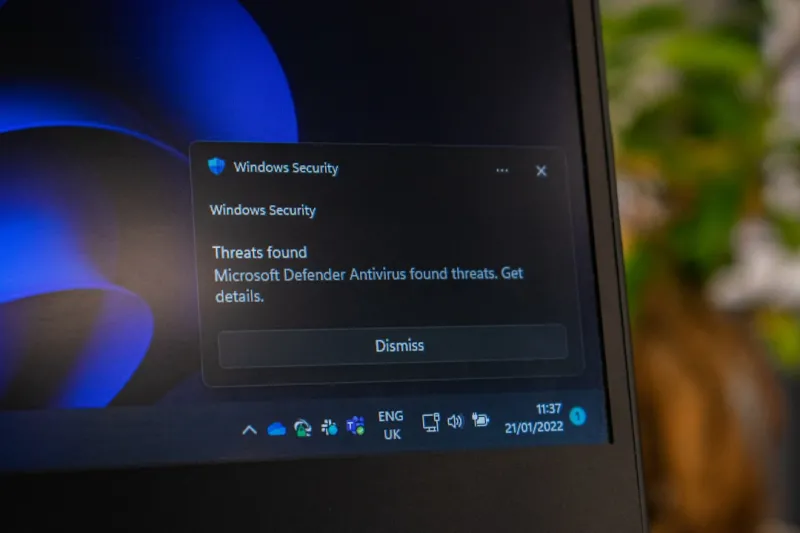
Security used to be a reactive process—install patches, run scans, hope for the best. In 2026, Windows flips that script by employing AI to predict and preempt threats before they manifest. The OS now monitors anomalous behavior across the system, cross‑referencing with cloud‑based threat intelligence that leverages both AI and emerging quantum‑resistant algorithms. When a suspicious process is detected, Windows isolates it in a secure sandbox and notifies the user with actionable steps, turning what used to be a frantic scramble into a calm, guided response. This proactive stance is especially crucial as the malware landscape evolves; the AI‑Driven Malware Arms Race article delves into how adversaries are adapting and how Windows stays ahead.
Performance Gains Through Self‑Optimizing Hardware
Another breakthrough I’ve embraced is the integration of self‑optimizing hardware with Windows’ AI core. Modern CPUs and GPUs now expose telemetry that the OS reads in real time, allowing it to fine‑tune clock speeds, voltage, and even thermal profiles on the fly. This means my laptop can squeeze out extra performance during a heavy video edit, then throttle back to conserve battery during lighter tasks—all without me lifting a finger. The result is a smoother experience that feels both powerful and energy‑efficient. For PC enthusiasts, the concept of intelligent hardware is explored in depth in Intelligent PC Building, which showcases how self‑optimizing components are becoming the new norm.
Seamless Cloud Integration and Edge Computing
Windows 2026 doesn’t just live on my local machine; it extends into the cloud and even the edge of my network. By leveraging Azure’s AI services, the OS can offload heavy compute tasks—like video rendering or large‑scale data analysis—to the cloud, returning results in seconds. Simultaneously, edge computing capabilities ensure low‑latency interactions for local IoT devices, turning my Windows PC into a hub that orchestrates smart home routines, security cameras, and voice assistants with minimal lag. This hybrid approach bridges the gap between powerful local processing and scalable cloud resources, offering the best of both worlds. It’s a model that’s reshaping how we think about “desktop” computing, turning a single machine into a versatile gateway.
Enhanced Accessibility and Inclusive Design
Inclusivity has taken center stage in Windows’ roadmap for 2026, with AI driving new accessibility features that adapt to individual user needs. Speech recognition now understands regional dialects with unprecedented accuracy, while real‑time captioning and translation services make collaboration across language barriers seamless. For users with motor impairments, the OS offers predictive gesture controls that learn preferred motions, reducing the effort required to navigate complex interfaces. These advancements aren’t just add‑ons; they’re baked into the OS’s core, ensuring that every user, regardless of ability, experiences a fluid and empowering interaction with their Windows device.
Managing Updates Without the Headache
One of my long‑standing gripes with Windows was the dreaded “Update Nightmare” that would pop up at inconvenient moments, often forcing reboots during critical work. In 2026, Microsoft has reimagined the update process with AI‑driven scheduling that learns my work habits and finds optimal windows for installations—usually during idle periods or low‑impact times. The system also leverages peer‑to‑peer distribution, pulling updates from nearby devices to speed up delivery while reducing bandwidth strain. This intelligent approach not only minimizes disruption but also ensures that security patches are applied promptly, keeping the system resilient against emerging threats.
Practical Tips for Getting the Most Out of a Modern Windows PC
To harness the full potential of Windows 2026, start by enabling the “Performance Optimizer” in Settings, which activates AI‑based resource allocation. Next, customize Copilot’s assistance level—choose between “Suggestive,” “Proactive,” or “Hands‑Off”—to match your comfort zone. Regularly review the “Security Dashboard” to understand any flagged anomalies and act on the recommended mitigations. Don’t forget to pair your device with an Azure account to unlock cloud offloading capabilities; the free tier offers generous compute credits for everyday tasks. Lastly, explore the “Accessibility Hub” to tailor speech, vision, and interaction settings, ensuring the OS adapts to your unique workflow. By taking these steps, you’ll experience a smoother, more secure, and highly personalized Windows environment.
Looking Ahead: The Future of Windows Beyond 2026
While today’s AI‑driven Windows feels like a quantum leap from the past, the roadmap points toward even more immersive experiences. Imagine a desktop that can read your biometric signals—like stress levels—and automatically adjust notifications, lighting, and even music playlists to keep you in the optimal flow state. Integration with AR/VR headsets will blur the line between physical and virtual workspaces, turning a single screen into a multi‑dimensional canvas. As quantum computing edges closer to mainstream viability, Windows will likely incorporate quantum‑resistant encryption natively, safeguarding data against future threats. For now, though, the blend of AI, cloud, and self‑optimizing hardware already offers a compelling glimpse into a future where the OS isn’t just a tool, but a trusted partner in every digital endeavor.