When I first booted a fresh Windows install back in the early 2020s, I never imagined the OS would become a living, breathing AI assistant by 2026. Today, Windows isn’t just a platform—it’s a collaborative partner that anticipates your workflow, optimizes resources on the fly, and even learns from how you interact with your apps. As someone who lives and breathes Microsoft ecosystems, I’ve watched the evolution from static updates to dynamic, cloud‑driven improvements. In this post, I’ll break down the most compelling changes, the hidden challenges they bring, and how you can harness the new features without losing control of your PC. Whether you’re a power user tweaking performance or a casual gamer looking for smoother gameplay, the insights here will help you stay ahead of the curve and make the most of Windows’ AI‑infused future.
The crown jewel of Windows 2026 is undeniably the deep integration of Copilot AI. No longer a peripheral add‑on, Copilot sits at the heart of the OS, surfacing context‑aware suggestions as you type, edit documents, or even troubleshoot a stuck process. Imagine typing a formula in Excel and having Copilot auto‑complete it based on your historical patterns, or receiving a one‑click performance boost when your system detects a demanding game launch. The AI engine also balances power and thermal limits, shifting workloads between CPU and integrated GPU to keep laptops cool while maintaining frame rates. This level of intelligent resource management means you can finally push high‑end titles on a mid‑range machine without the dreaded throttling you used to accept as inevitable.
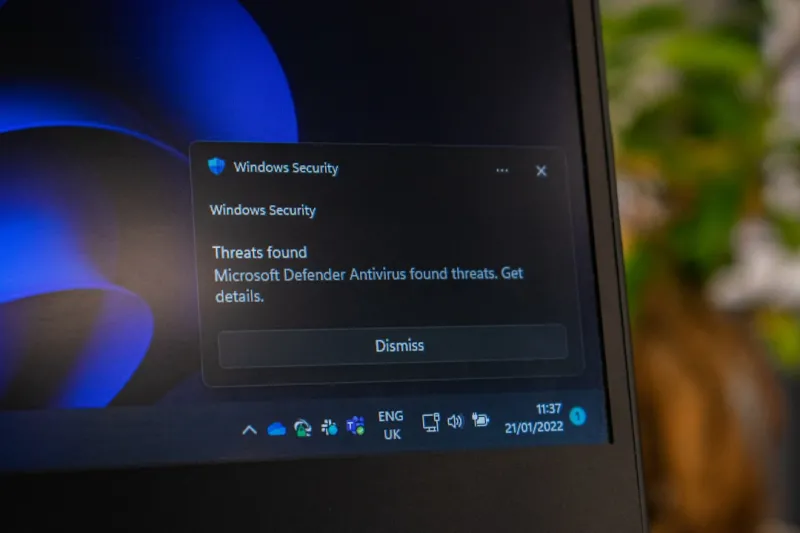
With great power, however, comes a new breed of threat. AI isn’t just helping us be more productive; cyber‑criminals are weaponizing the same technology to craft malware that adapts in real time. The surge of AI‑driven ransomware that morphs its code to evade traditional signatures is reshaping the security landscape. To navigate this, Windows now bundles a proactive threat‑modeling service that monitors behavioral anomalies and isolates suspicious processes before they can cause damage. I’ve found that staying informed is half the battle, which is why I recommend reading How AI Is Redefining Malware—and What You Can Do About It. It breaks down the tactics attackers use and offers concrete steps—like tightening app permissions and leveraging Windows Defender’s AI guardrails—to keep your data safe.
Microsoft’s update cadence has also undergone a radical shift. Instead of the bi‑annual “Patch Tuesday” we grew accustomed to, Windows now delivers continuous, micro‑updates that are validated by cloud AI before deployment. This means security patches roll out within hours of a vulnerability being disclosed, and feature enhancements are introduced as modular “experience packs.” For enterprises, the new Windows-as-a-Service model offers granular control: you can opt into a “steady‑state” channel that receives only critical fixes, or a “fast‑track” channel that embraces the latest AI capabilities. The key for power users is to understand where your device sits in this spectrum and adjust the update policy accordingly, ensuring you get the best of both worlds—stability and cutting‑edge functionality.
Hardware selection remains a cornerstone of a smooth Windows experience, especially as AI workloads demand more from your system. While SSDs have become the default storage medium, the next frontier is NVMe‑based storage that talks directly to the CPU’s memory controller, shaving milliseconds off load times. Pair that with 32 GB of DDR5 RAM, and you give Copilot the bandwidth it needs to analyze data on the fly. If you’re eyeing a performance uplift, my go‑to guide is Upgrade Your PC Like a Pro: Strategic Steps for 2026 Performance Gains. It walks you through selecting the right GPU for AI acceleration, configuring power profiles, and even tweaking the Windows registry for optimal latency—without voiding warranties.
Even the most meticulously built rigs can hit a snag, and in the Windows world that snag often shows up as the infamous Blue Screen of Death (BSOD). In 2026, BSODs are less about random driver failures and more about AI modules colliding with legacy code. The new diagnostic hub aggregates crash dumps into a cloud‑based AI that pinpoints the offending component within seconds. Still, there are times when you need to roll up your sleeves. I always start with the guide Unraveling the Blue Screen: Why BSODs Happen and How to Stop Them, which walks you through checking firmware versions, disabling experimental AI features, and using the built‑in “Windows Memory Diagnostic” tool to rule out hardware faults. By following a systematic approach, you can often resolve a crash without reinstalling the OS—a lifesaver when you’re on a deadline.
Looking ahead, the future‑proofing playbook for Windows now extends beyond the device to the network it lives on. Modern environments demand AI‑enabled, edge‑centric, zero‑trust architectures to safeguard data as it moves between on‑premises machines and the cloud. Windows integrates with these frameworks via native support for Azure AD Conditional Access and Secure Enclave‑based authentication. If you want to deepen your understanding of why this matters, check out Why Modern Networks Need AI, Edge, and Zero‑Trust Now. Embracing these concepts not only hardens your system against AI‑crafted attacks but also ensures your PC can seamlessly participate in hybrid workspaces, remote rendering farms, and collaborative AI projects.
In closing, Windows 2026 offers a tantalizing mix of AI convenience, robust security, and performance gains—provided you approach it with a strategic mindset. Start by auditing your update channel, enable Copilot’s performance mode, and verify that your hardware meets the recommended thresholds for AI workloads. Next, tighten your security posture using the built‑in AI defender and stay current with threat intel. Finally, adopt a zero‑trust network stance to keep your data safe as it traverses increasingly complex environments. By following this checklist, you’ll not only enjoy a smoother Windows experience but also future‑proof your rig against the next wave of AI‑driven challenges.