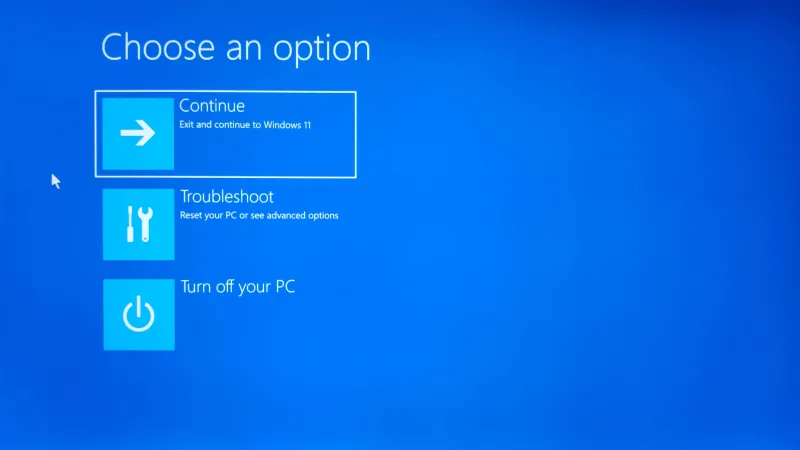
When my workstation flashed that infamous cobalt‑blue screen this spring, my first thought wasn’t “oh no, I’m losing data”—it was “what story will this blue screen tell me about my PC’s health?” In 2026, the BSOD (Blue Screen of Death) has evolved from a cryptic error code into a diagnostic beacon, thanks to AI‑enhanced telemetry and smarter firmware. Yet the emotional impact remains the same: a sudden halt that forces you to pause, breathe, and interrogate every recent change you made. I’ve been through enough of these moments to recognize the patterns—an errant driver after a Windows update, a failing NVMe module, or even a malicious script masquerading as a legitimate service. This post walks you through the most common culprits, the latest AI‑driven tools that can decode those cryptic numbers, and the preventive steps that keep your rig humming without the dreaded blue flash. By the end, you’ll not only know how to survive a BSOD, you’ll understand how to prevent one, turning each blue moment into a lesson rather than a loss.
Why the Blue Screen Still Happens in the AI Era
Even as AI powers predictive maintenance and auto‑patching, the underlying hardware and driver ecosystem in 2026 remains a delicate dance. Modern CPUs juggle billions of threads, and the OS relies on a complex web of drivers that must speak a common language. When a driver written for a legacy peripheral meets a new AI‑optimized power‑management module, the mismatch can trigger a critical failure that the OS reports as a BSOD. Additionally, AI‑driven power‑savings algorithms sometimes over‑clock or under‑clock components in ways that were never anticipated, leading to timing violations in memory controllers. The rise of PCIe 6.0 and ultra‑fast NVMe drives also means that any firmware bug can cascade instantly across the system bus, producing a blue flash before you can even press “Ctrl+Alt+Del.” Understanding that the blue screen is often a symptom of a deeper integration issue helps you target the right fix rather than chasing phantom software glitches.
AI‑Assisted Diagnosis: Turning Error Codes into Actionable Insight
In the past, deciphering a STOP code required a deep dive into Microsoft’s documentation, endless Googling, and a good dose of luck. Today, built‑in AI assistants in Windows 11 and third‑party utilities can parse dump files in seconds, cross‑reference known issues, and even suggest driver rollbacks automatically. When a BSOD occurs, the system generates a minidump—a tiny snapshot of memory that captures the state of the CPU, loaded drivers, and active processes. Modern AI tools ingest that data, compare it against a cloud‑based knowledge base, and return a concise report that highlights the offending module, its version, and recommended actions. For a hands‑on example, check out our deep dive on AI‑redefined operating systems, which explains how machine learning is reshaping error handling and how you can leverage these insights to cut down troubleshooting time dramatically.
Capturing the Dump: A Step‑by‑Step Guide
Before you can let AI do its magic, you need to make sure Windows is set up to capture the right data. First, open the System Properties panel, navigate to “Advanced system settings,” and under “Startup and Recovery,” ensure that “Write an event to the system log” and “Small memory dump (256 KB)” are selected. If you have ample SSD space, consider switching to a “Full memory dump,” which records the entire contents of RAM and is invaluable for deep diagnostics. Next, locate the dump files—usually stored in C:\Windows\Minidump or C:\Windows\MEMORY.DMP. Copy them to an external drive or cloud storage before any further action, as subsequent restarts can overwrite the data. Finally, use a tool like WinDbg or an AI‑enhanced analyzer to open the file, identify the driver or module that caused the crash, and follow the suggested remediation steps. This systematic capture process ensures you have a reliable forensic record, turning a fleeting blue flash into a permanent piece of evidence you can act upon.
Driver Management: The Frontline Defense
Outdated or mismatched drivers remain the most common trigger for BSODs, even in a world where AI can auto‑update firmware. The key is to adopt a proactive driver strategy that blends manual oversight with intelligent automation. Start by creating a restore point before any major driver installation, especially for graphics cards, network adapters, and storage controllers. Use Windows Update’s “Optional Updates” pane to spot driver releases that Microsoft hasn’t yet vetted, and cross‑check them against the manufacturer’s site for compatibility notes. For a more holistic approach, see our guide on future‑proof upgrades, which outlines how to select drivers that align with upcoming AI‑driven workloads and ensures your system stays stable as software expectations evolve.
Storage and Memory: Hidden BSOD Triggers
When you think of a blue screen, you might picture a faulty GPU, but a corrupted sector on an NVMe drive or a mismatched RAM kit can be just as lethal. Modern high‑capacity SSDs employ complex wear‑leveling algorithms, and if firmware glitches occur, the OS may encounter unrecoverable read errors, prompting a STOP error. Similarly, as DDR5 memory pushes higher frequencies, timing mismatches can cause occasional data corruption that only surfaces under load. Regular health checks are essential: run the built‑in Windows “Check Disk” utility, and supplement it with manufacturer‑provided tools that can read SMART data for early warnings. For creators who rely on massive media libraries, robust storage is non‑negotiable—our piece on modern hard drives dives deep into selecting drives that combine speed, durability, and AI‑optimized error correction, reducing the chance that a hidden sector will bring your system to a halt.
The Security Angle: Malware Masquerading as System Errors
In 2026, ransomware and AI‑generated malware have become more sophisticated, sometimes deliberately causing BSODs to force users into panic‑driven actions. Malicious code can corrupt critical system files, trigger kernel‑mode exceptions, or even overload the crash dump subsystem, resulting in a blue screen that looks like a hardware failure. The best defense is a layered security posture: keep Windows Defender’s cloud‑based protection enabled, employ real‑time AI threat detection, and maintain regular, offline backups. When a BSOD occurs after a suspicious download or an unexpected pop‑up, run a full system scan before attempting any driver rollbacks—otherwise, you might be reinstalling compromised components. Staying vigilant about security updates is especially crucial because a single unpatched vulnerability can turn a harmless driver issue into an exploitable foothold for attackers.
Preventive Maintenance: Turning Reactive Fixes into Proactive Health
Think of your PC like a high‑performance vehicle; regular tune‑ups keep it from breaking down at the worst possible moment. Schedule monthly clean‑boot sessions to isolate third‑party services that may be silently degrading stability. Keep your BIOS firmware updated, but always read the release notes—some updates introduce new power‑management features that can clash with older drivers. Implement a reliable backup regimen, leveraging both cloud snapshots and local external drives, so that if a BSOD does corrupt a system file, you can restore without data loss. Finally, consider encrypting your drive with BitLocker or a comparable solution; encryption not only protects data in case of theft but also adds an integrity check that can alert you to unauthorized modifications that might precipitate a crash.
When Hardware Fails: Identifying the Culprit and Planning a Replacement
After exhausting software fixes, it’s time to scrutinize the physical components. Use a hardware diagnostics suite—many motherboard manufacturers bundle tools that stress‑test CPU, GPU, RAM, and storage under controlled loads. Look for patterns: if the BSOD only appears during intensive graphics rendering, your video card’s VRAM or power delivery could be at fault; if it happens during file transfers, the storage controller is suspect. In cases of repeated memory errors, run MemTest86 across multiple passes to confirm a bad module. When you’ve pinpointed a failing part, choose replacements that align with your AI‑centric workflow—modern motherboards, for instance, now include built‑in AI accelerators that offload inference tasks, reducing strain on the CPU and improving overall system stability. Upgrading to a motherboard with robust power delivery and better thermal management can eliminate many intermittent blue screens caused by voltage fluctuations.
Turning Blue Screens into Learning Opportunities
Every BSOD is a data point, and in the age of AI, that data can be harvested to make your PC smarter. By logging crash events, reviewing dump analyses, and noting the software or hardware changes that preceded the failure, you create a personal knowledge base that helps you anticipate future issues. Over time, you’ll recognize the subtle signs—a slight fan noise, a minor performance dip—that precede a blue screen, allowing you to intervene before the system crashes. Embrace the blue screen as a reminder that even the most advanced machines need care, attention, and a bit of human intuition. Keep your system updated, stay informed about emerging AI‑driven threats, and don’t shy away from digging into the technical details. With the right mindset and tools, the dreaded blue flash becomes just another step on the journey toward a more resilient, high‑performing PC.