When I first booted a Windows machine back in the early 2000s, the experience felt like stepping onto a stage built for both the casual user and the power‑user who loved to tinker under the hood. Fast‑forward to 2026, and that same stage has been dramatically remodeled with AI‑driven features, tighter security layers, and a seamless hybrid ecosystem that still feels like the ultimate playground for anyone who refuses to settle for “good enough.” In this post I’ll walk you through why Windows remains the undisputed platform for power users, how its evolution aligns with the cutting‑edge tools we rely on, and what you can do right now to extract every ounce of performance and flexibility from your system.
Windows’ Core Architecture: Still the Bedrock for Innovation
At its heart, Windows continues to rely on a modular, kernel‑mode architecture that gives developers granular control over hardware interaction. This design decision—originally made to support a sprawling hardware ecosystem—has paid dividends as we move deeper into AI‑accelerated workloads. The kernel’s ability to schedule tasks across heterogeneous cores, from high‑performance CPUs to dedicated AI accelerators, means that Windows can dynamically balance traditional compute with machine‑learning inference without a hitch. For power users, this translates into smoother multitasking, lower latency in AI‑enhanced applications, and the freedom to experiment with custom drivers or hyper‑visor configurations. Because the OS is built to adapt, you’re never locked out of the latest hardware advancements, a critical advantage when you’re constantly upgrading your rig to stay ahead of the curve.
Seamless Integration with AI‑Powered Productivity Suites
One of the most visible changes in Windows 2026 is the deep integration of AI assistants directly into the OS shell. Whether you’re drafting a complex spreadsheet, automating repetitive tasks in Outlook, or fine‑tuning a PowerPoint deck, the AI engine learns your habits and offers contextual suggestions in real time. This isn’t just a novelty; it’s a productivity multiplier that lets power users shave minutes—or even hours—from daily workflows. If you want a deeper dive into how these AI features intersect with Microsoft Office, check out Mastering Microsoft Office in 2026: AI, Automation, and Power‑User Strategies. The synergy between Windows’ native AI services and Office’s cloud‑backed capabilities creates a feedback loop where each app becomes smarter the more you use it, turning a single workstation into a collaborative AI hub.
Security That Keeps Pace with Threat Evolution
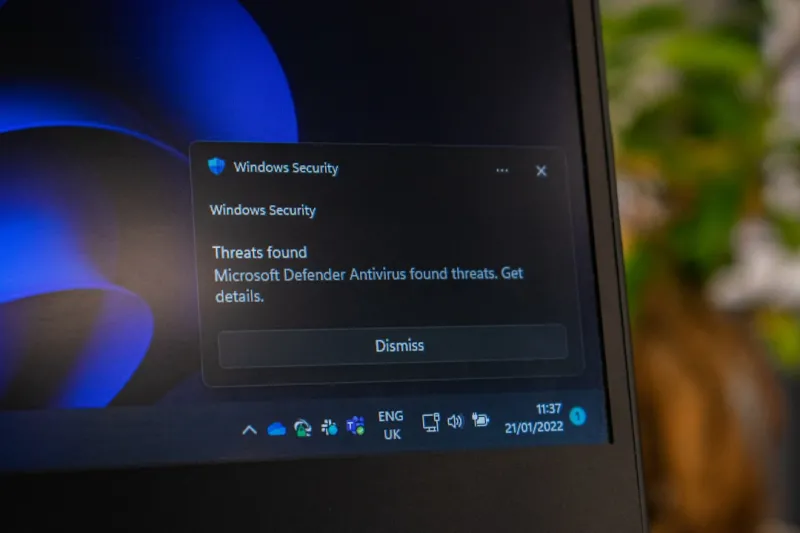
Security in 2026 is no longer an afterthought; it’s baked into every layer of Windows. Windows Defender Advanced Threat Protection (ATP) now leverages on‑device AI models to detect anomalous behavior before it even reaches the network. Coupled with hardware‑rooted security features like TPM 2.2 and Secure Boot 3.0, the OS can isolate compromised processes in a sandbox that’s virtually invisible to attackers. For the power user who frequently runs experimental code or beta software, this means you can push the boundaries without exposing your core system to unnecessary risk. Moreover, Microsoft’s “Zero Trust” framework is now a default configuration, ensuring that every connection—local or cloud‑based—is authenticated and encrypted, reducing the attack surface dramatically.
Customization at Scale: From Power‑Shell to the Windows Terminal
Customization has always been a hallmark of the Windows power‑user experience, and 2026 brings even richer tooling. The Windows Terminal now supports multi‑pane, multi‑session workflows with GPU‑accelerated rendering, allowing you to monitor logs, run scripts, and manage containers side by side without flicker. Power‑Shell 7.4 introduces native AI cmdlets that can invoke on‑device models for tasks like code generation, data classification, or even predictive system tuning. You can script the OS to dynamically adjust power plans based on workload, or set policies that automatically isolate high‑risk processes. This level of automation transforms a static workstation into a self‑optimizing machine, freeing you to focus on creative problem solving rather than routine maintenance.
Hardware Compatibility: Future‑Proofing Your Build
One of the biggest concerns for any power user is whether their investment in a high‑end rig will stay relevant as new standards emerge. Windows 2026 addresses this with an expanded driver model that supports PCIe 6.0, DDR5‑5600 memory, and next‑generation NVMe‑C. The OS can negotiate bandwidth on the fly, ensuring that even the most demanding workloads—like real‑time AI inference or 8K video rendering—receive the resources they need. If you’re still debating motherboard choices, I recommend reading Mastering Motherboard Selection: The Power‑User’s Blueprint for 2026 to see how modern chipsets synergize with Windows’ scheduler and power management features.
The Ecosystem Advantage: Cloud, Edge, and Hybrid Workflows
Windows has always thrived in hybrid environments, but the integration with Azure Arc and Windows Subsystem for Linux (WSL) 2 has reached new heights. You can now spin up a Linux container on the same machine and have it share the same GPU resources as a native Windows app, thanks to the unified driver stack. This is a game‑changer for developers and data scientists who need to test cross‑platform code without maintaining separate hardware. The seamless handoff between on‑premise and cloud workloads also means you can offload heavy AI training to Azure while keeping inference locally, reducing latency and bandwidth costs. The result? A truly hybrid edge where Windows serves as the central orchestrator for both local and remote compute.
Why Windows Remains the Power‑User’s Playground
If you’re still on the fence about committing to Windows for your power‑user workflows, the answer lies in the platform’s relentless adaptability. While macOS and Linux each have their niches, Windows offers a uniquely integrated stack that blends deep hardware support, AI‑driven productivity, and enterprise‑grade security—all under a single, familiar UI. For a more detailed exploration of this advantage, read Why Windows Remains the Power‑User’s Playground in 2026. The article outlines real‑world scenarios where Windows’ flexibility outshines competing operating systems, especially when you need to juggle gaming, development, and AI workloads on the same machine.
Power‑User Community and Continuous Learning
The Windows ecosystem isn’t just a collection of features; it’s a vibrant community of enthusiasts, developers, and IT pros who share scripts, tools, and best practices. Sites like TechNet, GitHub, and the Microsoft Power‑User Forums host thousands of contributions that can accelerate your learning curve. Whether you’re looking to automate Windows Update deployments with Intune, fine‑tune your SSD cache using the Storage Spaces Direct API, or build a custom UI overlay with WinUI 3, there’s a community member who has already paved the way. Engaging with this community not only keeps you ahead of the curve but also opens doors to collaborative projects that push the boundaries of what Windows can do.
Actionable Steps to Elevate Your Windows Experience Today
To wrap things up, here are three immediate actions you can take to supercharge your Windows workstation: 1) Enable the “Performance‑First” power plan and pair it with a custom Power‑Shell script that dynamically scales CPU frequency based on active workloads. 2) Install the latest Windows Terminal preview and configure a multi‑pane layout that monitors system telemetry, Docker containers, and your favorite AI notebooks simultaneously. 3) Activate Windows Defender ATP’s “Auto‑Mitigate” feature, ensuring that any suspicious process is sandboxed before it can impact your workflow. By implementing these steps, you’ll experience a noticeable boost in responsiveness, security, and overall productivity—exactly the kind of edge every power user craves.