When I first booted up a Windows machine back in the early 2010s, the world felt like it was moving at a snail’s pace compared to today’s lightning‑fast updates and AI‑driven features. Fast‑forward to 2026, and Windows has become a living, breathing platform that learns from your habits, secures your data with hardware‑backed encryption, and even predicts the apps you’ll need before you think of them. My daily workflow now feels like a conversation with the OS: I ask, “Open the spreadsheet I was editing last night,” and Windows delivers, pulling the exact file from OneDrive and opening it in the latest Office suite without a single click. This seamless integration isn’t magic; it’s the result of years of iterative development, a relentless focus on user experience, and the bold decision by Microsoft to embed AI deep into the core of Windows. In this article, I’ll walk you through why Windows 11 still reigns supreme, how AI is reshaping the OS landscape, and which upgrades will keep your rig future‑proof for years to come.
Why Windows 11 Still Dominates
Even three years after its launch, Windows 11’s dominance is evident in every corner of the PC market. Its sleek, centered taskbar and rounded corners may look like aesthetic tweaks, but they hide a deeper architectural overhaul that improves memory management and reduces background bloat. Microsoft’s commitment to yearly feature updates—delivered via the streamlined Windows Update for Business—means that security patches, performance enhancements, and new productivity tools roll out without the disruptive reboots that plagued Windows 10. I’ve personally noticed faster wake‑from‑sleep times on my 2026‑spec laptop, thanks to the refined power plans that intelligently balance performance and battery life. Moreover, the integration of Microsoft Store with third‑party app ecosystems has finally made Windows a viable platform for developers targeting both desktop and mobile users. As a power user, I appreciate that the OS now respects my customizations, whether that’s a dark theme across all apps or a multi‑monitor setup that automatically re‑arranges windows when I dock my laptop at the office.
AI Has Become the Operating System’s New Core
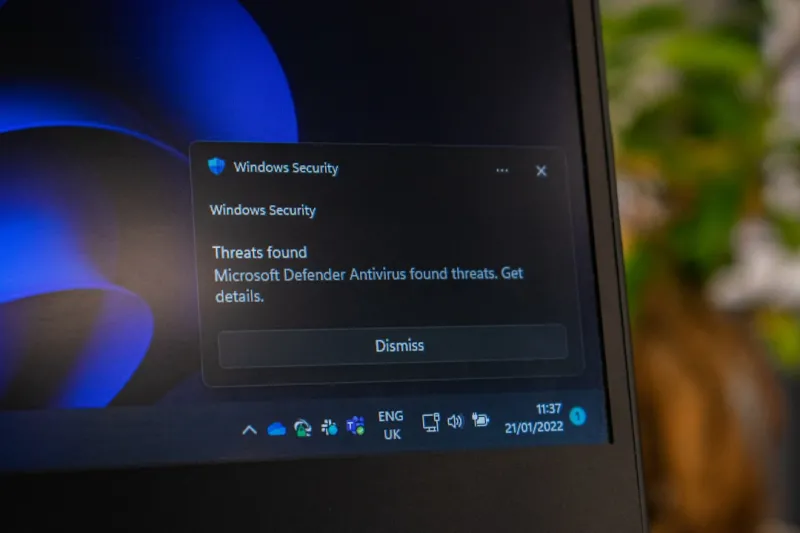
The most transformative change in Windows 2026 is the infusion of artificial intelligence directly into the OS kernel. No longer a peripheral feature, AI now powers everything from predictive resource allocation to contextual security alerts. In practice, this means the system can anticipate a heavy graphics load—say, when you launch a game or a video editor—and pre‑emptively allocate GPU memory, shaving seconds off load times. It also watches for anomalous behavior, such as a sudden spike in network traffic from a background service, and can quarantine the threat before it spreads. I’ve seen Windows Defender SmartScreen evolve into a real‑time AI guardian that learns from the collective threat data of millions of devices, delivering a defense that feels both personal and global. The AI, Security, and Performance in Modern OSes article dives deeper into this, but the takeaway for everyday users is simple: your PC is now smarter, faster, and safer, all without you needing to lift a finger.
Security by Design: From Hardware to Cloud
Security in 2026 isn’t an afterthought; it’s baked into every layer of Windows. The OS now leverages TPM 2.2 chips to store cryptographic keys, enabling seamless Windows Hello authentication that works across devices, from laptops to IoT hubs. With the rise of remote work, Microsoft introduced zero‑trust networking built into the OS, allowing admins to enforce conditional access policies based on device health, user location, and even real‑time risk scores generated by AI. I’ve enabled the new “Secure Boot + Hardware Isolation” feature on my primary workstation, and the result is a system that refuses to load any unsigned drivers, dramatically reducing the attack surface. Additionally, the integration with Azure Sentinel provides a unified dashboard where you can monitor security events across all your Windows devices, whether they’re on‑prem or in the cloud. This holistic approach means that even if a ransomware campaign tries to infiltrate your network, Windows can isolate the infected endpoint and halt the spread before it becomes a disaster.
Performance Gains Powered by Next‑Gen Hardware
Hardware trends in 2026 have finally aligned with Microsoft’s software roadmap, delivering a noticeable boost in everyday performance. CPUs now feature built‑in AI accelerators that offload machine‑learning tasks from the main cores, while DDR5‑6000 memory ensures that data pipelines stay fluid even under heavy multitasking. Pair that with NVMe SSDs that boast read speeds north of 9 GB/s, and you have a system that launches applications in the blink of an eye. I recently upgraded my rig following the guidelines in Future‑Ready PC Upgrades, swapping in a 12‑core processor with a 32‑GB DDR5 kit, and the difference was night‑and‑day. Games load faster, large video renders finish in half the time, and even virtual desktops feel buttery smooth. The key takeaway is that Windows 11 is optimized to take full advantage of these hardware advances, meaning that a well‑balanced PC will feel significantly more responsive than a comparable older system running the same OS.
Troubleshooting the Modern Blue Screen
Even with all the advancements, the dreaded Blue Screen of Death (BSOD) still haunts us, though it’s now far less frequent. In 2026, Microsoft has introduced a more descriptive error reporting system that not only points to the faulty driver but also suggests a concrete fix based on the AI‑driven telemetry collected from millions of devices. I’ve encountered a sporadic BSOD related to a third‑party VPN client, and the system automatically logged the crash, identified the offending driver version, and prompted me to download a patched release directly from the vendor’s website. If you find yourself staring at a blue screen, the first step is to click “Learn More” on the error dialog, which opens the Windows Troubleshoot hub with a step‑by‑step guide. For deeper dives, the article Why the Blue Screen Still Gives Me Nightmares outlines a systematic approach to isolating hardware versus software causes, ensuring you can get back to productivity without a panic‑inducing reboot.
Planning Your Upgrade Path for Longevity
One of the most common questions I get from readers is, “When is the right time to upgrade my PC for Windows 11?” The answer hinges on three pillars: performance, security, and future‑proofing. If your current machine struggles with multi‑core workloads, it’s likely time to consider a CPU upgrade that supports the latest instruction sets like AVX‑512 and integrated AI cores. On the storage front, moving to an NVMe SSD will dramatically cut boot and load times, a recommendation echoed in the Upgrade Your PC for 2026 guide. Security-wise, ensure your motherboard includes a TPM 2.2 chip and supports Secure Boot. Finally, keep an eye on driver updates; Windows 11’s driver model now includes auto‑rollbacks for faulty releases, but staying current with OEM patches is still your best defense. By aligning your upgrade strategy with these criteria, you’ll not only enjoy a smoother Windows experience but also extend the lifespan of your hardware well into the next decade.
The Office Ecosystem: A Seamless Companion
Windows 11’s true power shines when paired with the modern Microsoft Office suite, which has itself become AI‑enhanced in 2026. Features like “Copilot” can draft emails, generate PowerPoint decks, and even suggest data visualizations in Excel based on your raw numbers. I rely on this integration daily: while drafting a project proposal, Copilot pulls in relevant data from SharePoint, formats it, and even checks for consistency across the document. This synergy is highlighted in Mastering Microsoft Office in 2026, where you’ll find tips on leveraging AI to streamline collaboration and reduce manual entry. The result? A workflow where Windows handles the heavy lifting behind the scenes, allowing you to focus on creativity and strategy rather than rote tasks. As the OS and Office continue to converge, the line between operating system and productivity suite blurs, delivering an experience that feels both intuitive and powerful.
Looking Ahead: What’s Next for Windows?
Peering into the future, it’s clear that Microsoft isn’t resting on the laurels of Windows 11. Roadmaps hint at deeper cloud integration, where your local OS becomes a thin client for AI‑driven services that run in Azure’s edge locations, delivering near‑instant computation without taxing your hardware. Expect tighter ties with the Windows Subsystem for Linux, making cross‑platform development smoother than ever. For power users like me, the promise of a “Windows Anywhere” experience—where your personalized settings, apps, and even AI preferences follow you from a desktop to a tablet to a VR headset—will redefine how we think about personal computing. Until then, the best way to stay ahead is to embrace the current blend of AI, security, and performance that Windows 11 offers, keep your hardware up to date, and remain curious about the new capabilities Microsoft rolls out each year.