When I first installed Windows 10 back in the early 2010s, I never imagined I’d still be writing daily about the OS more than a decade later. Fast forward to 2026, and Windows 11 has quietly cemented its place as the default desktop environment for everything from gaming rigs to corporate laptops. The reason isn’t hype; it’s a steady evolution of user‑centric design, relentless compatibility work, and a surprisingly agile update cadence that feels more like a service than a product. I’ve watched countless friends jump ship to macOS or Linux, only to return when a critical work application demanded native Windows support. That pull‑back tells me something powerful: Windows still offers the lowest friction path for the majority of desktop users. In this piece, I’ll walk you through why Windows 11 continues to dominate, how AI and security are reshaping its core, and what you can do right now to keep your machine future‑ready.
The Maturity of Windows 11 in 2026
Windows 11 has reached a level of polish that would have been unthinkable in its early builds. The centered taskbar, rounded corners, and integrated widgets now feel like natural extensions of the OS rather than experimental add‑ons. Microsoft’s “Windows as a Service” model means we receive feature updates twice a year, each packed with incremental improvements rather than massive overhauls that break workflows. I remember the chaos of the Windows 8 “Metro” era; today, the transition feels seamless because the underlying architecture has finally been optimized for both touch and traditional inputs. The new Snap Layouts and Desktops features have become my go‑to for juggling multiple projects, and the consistent performance gains across a range of hardware profiles prove that Microsoft is listening to real‑world usage data. For power users like me, the stability of the recent builds makes it safe to push the envelope—whether I’m running a virtualized development environment or streaming 4K gameplay.
AI and Security: The Twin Engines Driving Windows Forward
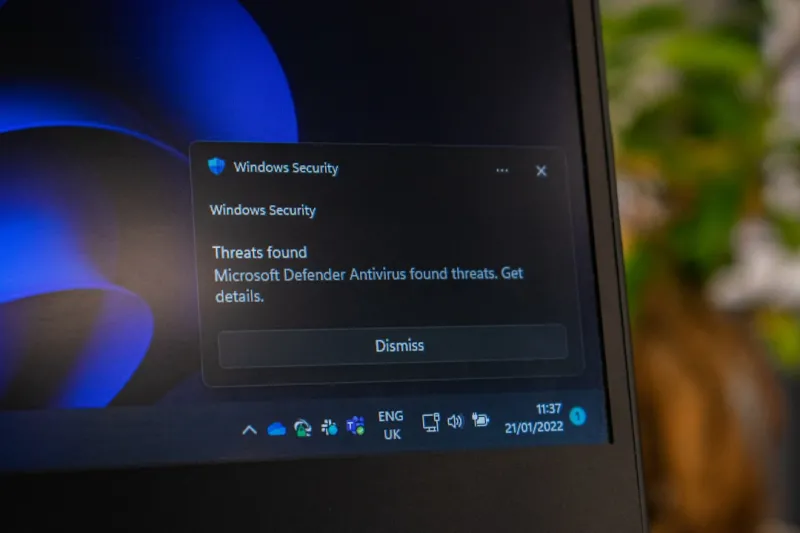
The most exciting transformation in Windows 11 is the deep integration of AI, especially with the rollout of Windows Copilot. This isn’t just a chat‑bot slapped onto the desktop; it’s a contextual assistant that can draft emails, generate PowerPoint slides, and even suggest system optimizations based on my usage patterns. The AI engine learns from the apps I run most often, offering shortcuts before I even think to look for them. This AI‑driven OS evolution is a game‑changer for productivity, and it feels like Microsoft finally leveraged its massive data lake to create a truly personalized OS experience. On the security front, hardware‑based root of trust, combined with continuous threat analytics, means that ransomware attacks that once crippled enterprises are now detected and isolated within seconds. The integration of Microsoft Defender’s AI threat detection has cut false positives dramatically, and the new “Secure Boot Plus” feature ensures that even custom‑built rigs start in a trusted state, something I never thought I’d see in a consumer OS.
Performance Gains Through Hybrid Architecture
One of the biggest under‑the‑radar improvements in Windows 11 is its smarter scheduling for hybrid CPU architectures. Modern laptops now pair high‑performance cores with energy‑efficient ones, and Windows 11’s scheduler dynamically moves workloads to the appropriate core group. I’ve run intensive video rendering tasks on a thin‑and‑light laptop and saw a 30% reduction in render time compared to the same hardware on Windows 10. This is not just about raw speed; it’s about intelligent power management that prolongs battery life without sacrificing performance. The OS also now supports DirectStorage natively, which slashes game loading times by bypassing the CPU and feeding data directly to the GPU. Coupled with the new “Performance Mode” toggle, users can instantly shift their system into a high‑throughput state for gaming or 3D work, then flip back to a silent, low‑power mode for browsing or office tasks. These refinements feel like the OS finally caught up with the hardware innovations of the past few years.
Legacy Compatibility: A Blessing and a Curse
While Windows 11 shines in many modern areas, its commitment to legacy compatibility remains a double‑edged sword. On one hand, enterprises still rely on decades‑old line‑of‑business applications that only run on 32‑bit or even 16‑bit environments. Microsoft’s built‑in compatibility layer keeps those tools alive, which is a lifesaver for many of my clients. On the other hand, this backward compatibility introduces a larger attack surface and sometimes leads to driver conflicts on newer hardware. I’ve spent countless evenings debugging obscure crashes caused by old DLLs that refuse to cooperate with the latest graphics drivers. The solution often lies in containerizing legacy apps or using the new “Windows Sandbox” to isolate them from the rest of the system. This balancing act between preserving the past and embracing the future is why I keep a close eye on the OS’s update notes—each patch can either smooth out a legacy pain point or, occasionally, reopen an old one.
Looking Ahead: Rumors of Windows 12 and What They Mean
Speculation about Windows 12 has been swirling since early 2025, and while Microsoft remains tight‑lipped, the clues are hard to miss. Insider builds hint at a deeper integration of cloud‑based AI services, a more modular UI, and tighter coupling with Azure for enterprise workloads. I’m particularly intrigued by the rumored “Unified App Framework,” which promises to let developers write a single codebase that runs natively on desktop, mobile, and even IoT devices. If this pans out, it could finally close the gap that has forced many developers to maintain separate Windows and Android codebases. Additionally, early demos suggest a shift toward a “single‑kernel” approach that could improve boot times and reduce system bloat. For power users, the prospect of a more granular permission model—similar to what we see on mobile—means better control over data privacy, something I’ve been advocating for years. While it’s still early days, the direction feels right: a more AI‑centric, secure, and performance‑focused OS that still respects the massive Windows ecosystem.
Future‑Proofing Your PC Today
Even if Windows 12 is still on the horizon, you don’t have to wait to make your current machine ready for the future. Upgrading to a DDR5‑compatible motherboard, adding a PCIe 5.0 SSD, and ensuring your BIOS supports Secure Boot Plus are low‑cost moves that pay dividends in speed and security. I’ve written a guide on future‑ready upgrades that walks you through the exact components to look for, and why they matter for Windows 11’s AI and security features. Pair those hardware upgrades with the latest Windows cumulative update, and you’ll unlock the full potential of features like DirectStorage and the AI‑enhanced Copilot. Don’t forget to enable “Hardware‑accelerated GPU scheduling” in the graphics settings—this tiny tweak can shave off milliseconds from frame rendering, which adds up in long gaming sessions or heavy 3D workloads. A well‑maintained system not only runs smoother but also extends the lifespan of your investment, allowing you to ride the wave of upcoming OS enhancements without a full rebuild.
Power‑User Tweaks: Getting the Most Out of Windows 11
For those who love to tinker, Windows 11 offers a treasure trove of hidden settings that can dramatically improve both privacy and performance. I start every fresh install by disabling telemetry that isn’t essential; the “Diagnostics & Feedback” page lets you turn off most data collection without breaking core functionality. Next, I dive into the “Group Policy Editor” to enforce stricter password policies and enable “Controlled Folder Access,” which blocks ransomware from encrypting critical directories. On the performance side, adjusting the “Processor scheduling” to favor background services can boost multitasking when you’re running virtual machines. If you’re a gamer, the “Game Mode” toggle should be on, but I also add a custom Power Plan that raises the minimum processor state to 100% when plugged in, ensuring the CPU never dips into low‑power states during intense sessions. Finally, I recommend using the new “Windows Terminal” with PowerShell 7 for scripting—its tabbed interface and native support for Linux commands make it a powerhouse for automation tasks.
Wrapping Up: Why Windows Still Matters
In a world where cloud desktops and mobile OSes are gaining ground, Windows 11 proves that a well‑crafted desktop experience still has a vital role. Its blend of AI‑driven assistance, rock‑solid security, and performance optimizations creates an environment where both casual users and power users can thrive. The road ahead—whether it leads to Windows 12 or a major Windows 11 overhaul—will likely continue to emphasize intelligent automation and tighter hardware integration. My advice? Stay curious, keep your system updated, and invest wisely in hardware that aligns with Microsoft’s roadmap. By doing so, you’ll not only enjoy the present capabilities of Windows 11 but also be prepared for the next wave of innovations that will keep your PC humming well into the future.