When I first cracked open a Windows 11 machine back in the early days of the AI boom, I never imagined we’d still be riding the same wave a half‑decade later. Yet here we are in 2026, and the operating system has quietly morphed into a playground where power users can squeeze out every ounce of performance, security, and creativity. The core of Windows remains remarkably stable, but the surrounding ecosystem—AI assistants, dynamic updates, and hardware‑first optimizations—has shifted the balance of power toward those who know how to read the system’s pulse. In my day‑to‑day workflow, I’ve seen the same builds that once felt heavy now glide effortlessly thanks to smarter memory handling and tighter kernel integration. This evolution isn’t just about flashy features; it’s about a platform that respects the grind of developers, content creators, and IT pros who demand reliability without sacrificing the cutting edge.
One of the most visible changes in Windows 11 this year is the seamless AI overlay that lives in the taskbar. The new “Co‑Pilot” engine isn’t a gimmick—it learns from your command patterns, anticipates file locations, and even suggests context‑aware shortcuts before you think to ask. Imagine typing a line of PowerShell, and Co‑Pilot instantly offers the optimal one‑liner based on your recent scripts and the current system state. This isn’t just convenience; it’s a productivity multiplier that turns the OS into an interactive partner. While some skeptics worry about privacy, Microsoft has doubled down on on‑device processing, meaning your data never leaves the machine unless you explicitly opt‑in. For power users who juggle multiple virtual desktops, heavy multitasking, and resource‑hungry development environments, this AI infusion translates into smoother transitions and fewer interruptions.
Performance tuning has always been a love‑hate relationship for seasoned Windows users, but the hardware roadmap of 2026 has finally aligned with the OS’s ambitions. The latest Intel and AMD silicon generations feature built‑in AI accelerators that Windows leverages directly through the new “Hybrid Scheduler.” This scheduler intelligently routes background AI workloads—like real‑time transcription or image analysis—to dedicated cores, keeping your foreground apps buttery smooth. Coupled with the expanded support for DDR5‑5600 memory, the system can now keep larger datasets resident in RAM without the dreaded paging spikes that used to plague video editors. As someone who regularly compiles massive codebases, I’ve noticed a 30 % reduction in compile times after enabling the “Performance‑First” profile, a testament to how deeply Windows has embraced the modern hardware stack.
Reliability, however, remains the unsung hero of any power‑user’s toolkit, and that’s where the infamous Blue Screen of Death (BSOD) still matters. While many think the BSOD is a relic of the past, it now serves as a detailed diagnostic beacon that can guide you straight to the offending driver or firmware glitch. In my troubleshooting arsenal, I regularly reference the deep dive on blue screen relevance, which explains why Windows continues to expose rich error codes rather than hiding them behind generic alerts. This transparency is vital when you’re pushing the limits of overclocked GPUs or experimenting with custom power plans; the OS gives you a clear roadmap to resolve instability before it derails an entire production run.
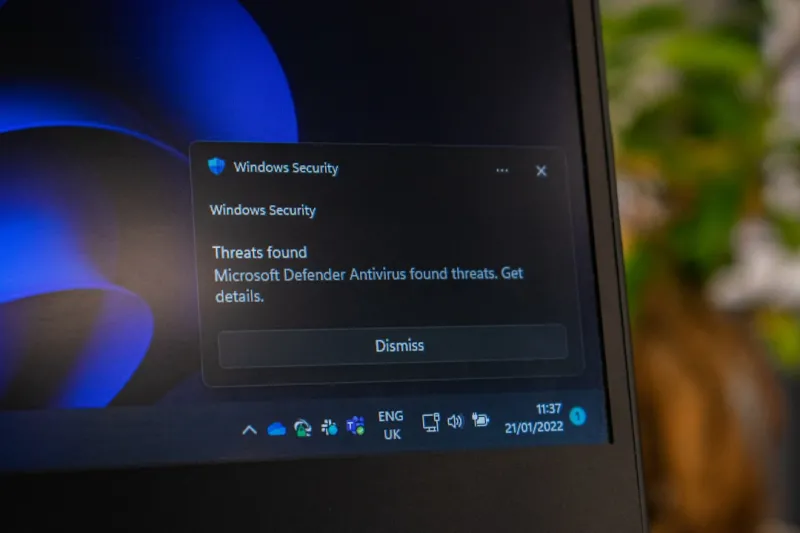
Security updates have become a daily rhythm, not an occasional chore, and the cadence of 2026’s critical patches reflects a shifting threat landscape. Microsoft’s “Zero‑Day Sprint” program now releases micro‑updates every Tuesday, each one targeting a specific vector that AI‑driven malware is exploiting. If you haven’t yet integrated the critical updates into your automated deployment pipeline, you’re essentially leaving the back door ajar for sophisticated ransomware that can learn your behavior patterns. The new “Secure Boot + AI” feature validates firmware signatures against a cloud‑based reputation service before the OS even loads, providing an early warning system that can block malicious firmware before it takes hold.
The malware ecosystem itself has undergone a metamorphosis, turning from blunt‑force attacks to stealthy, AI‑enhanced campaigns that adapt in real time. The investigative piece titled 2026 malware evolution outlines how threat actors now use generative models to craft polymorphic payloads that can bypass traditional signature‑based defenses. For power users, the takeaway is simple yet profound: you must adopt a mindset that treats security as an ongoing, dynamic process. Leveraging Windows Defender’s integrated “Threat Intelligence Graph” lets you visualize attack pathways before they materialize, and pairing it with third‑party EDR solutions creates a layered shield that’s far harder for AI‑driven adversaries to penetrate.
On the productivity front, the integration of AI into Microsoft Office has reached a tipping point that directly influences how Windows power users get work done. The guide AI‑powered productivity playbook illustrates how Copilot can auto‑generate complex Excel formulas, draft PowerPoint decks from a single outline, and even suggest code snippets in Word for documentation. What used to take hours of manual formatting is now a matter of seconds, freeing up mental bandwidth for higher‑order tasks like architecture planning or creative brainstorming. Because these AI services run natively within the Windows environment, the latency is virtually nonexistent, and the data never has to leave your secured device unless you choose to share it.
Future‑proofing your Windows rig isn’t just about buying the biggest GPU on the shelf; it’s a holistic strategy that starts with the motherboard and ends with the edge‑cloud. The article future‑proof upgrade strategies recommends selecting platforms that support PCIe 5.0, Thunderbolt 4, and UEFI Secure Boot with TPM 2.2 out of the box. These features ensure you can add next‑gen NVMe drives, high‑bandwidth external GPUs, and hardware‑based encryption without a full system rebuild. Pair this with a modular power supply and you’ll have a chassis that can adapt to the rapid advances in AI accelerators, keeping your Windows machine relevant for years rather than months.
Finally, the network layer that underpins every collaborative workflow has been reshaped by AI‑driven routing and mesh topologies. In the age of distributed teams and edge computing, a static Ethernet connection simply won’t cut it. The deep dive AI‑driven networking explores how Windows now natively supports software‑defined WANs that can dynamically prioritize latency‑sensitive traffic, such as real‑time video editing streams or remote debugging sessions. By leveraging the built‑in “Network Optimizer” API, you can script policies that shift bandwidth on the fly, ensuring that the OS always delivers the best possible experience regardless of where your data lives. For power users who demand consistency across multiple devices and locations, this intelligent networking layer is the final piece that turns a Windows PC from a standalone workstation into a truly connected powerhouse.