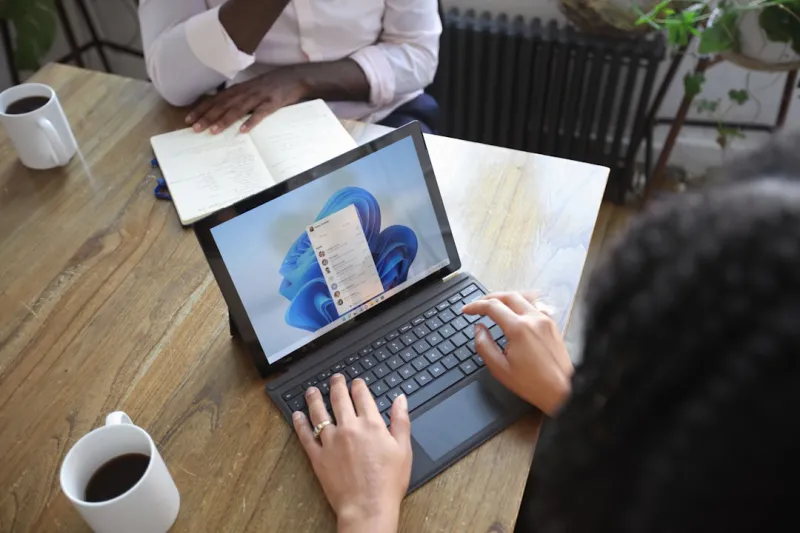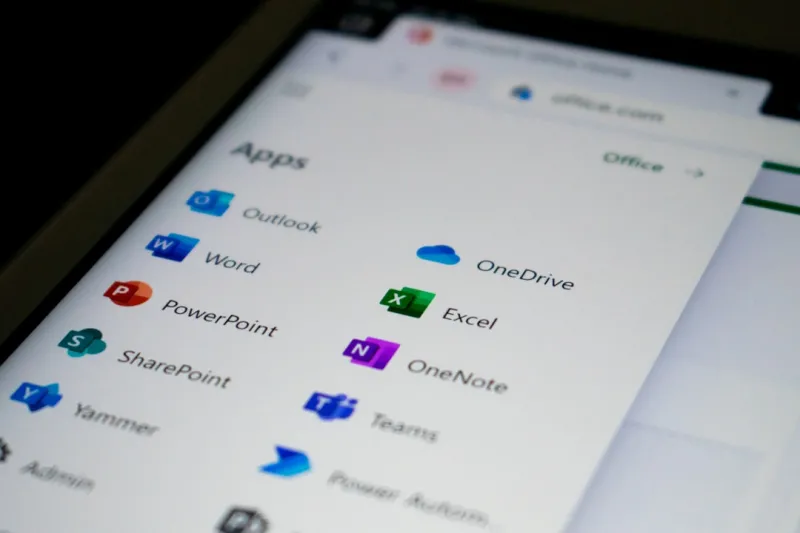
When I first opened Microsoft Office in the early 2000s, I was amazed by the simplicity of Word’s toolbar and Excel’s grid. Fast‑forward to 2026, and the suite feels like a living, breathing AI‑partner that anticipates my every move. The latest Copilot integrations aren’t just gimmicks; they’re engineered to slice minutes off repetitive tasks, surface insights from raw data, and even suggest slide designs before I’ve thought of a single bullet point. As a power user who lives on shortcuts, macros, and deep customizations, I’ve learned to treat these intelligent assistants as extensions of my own brain. The trick is to stay on the bleeding edge without letting the constant stream of new features overwhelm your workflow. In this post, I’ll walk you through the trends reshaping Office, the security considerations that come with AI‑driven documents, and the practical steps you can take today to keep your productivity engine humming.
The AI Copilot Takes Center Stage
Microsoft’s Copilot isn’t limited to a single app; it’s woven into Word, Excel, PowerPoint, and even Outlook. In Word, a simple prompt like “summarize this contract in plain language” yields a concise briefing, saving hours of legalese parsing. Excel’s natural language queries let you type “show me month‑over‑month growth for Q3” and watch a chart materialize without a single formula. PowerPoint’s design suggestions now pull from your brand guidelines and automatically align images for visual harmony. What excites me most is the ability to chain these capabilities—ask Copilot to extract key metrics from a spreadsheet, draft a narrative in Word, and then generate a presentation slide deck—all in a single workflow. The learning curve is shallow if you treat the AI as a collaborative teammate rather than a replacement. Embrace the prompts, experiment with temperature settings, and you’ll find your office suite evolving from a static toolbox to a dynamic creative studio.
Why Updates Matter Now
Every month, Microsoft rolls out patches that fine‑tune the AI models, patch security holes, and introduce new integrations. Skipping these updates can feel tempting when you’re in the middle of a critical project, but the cost is steep. A single unpatched vulnerability can turn a harmless macro into a ransomware delivery vector, and with AI‑generated content, the attack surface has broadened dramatically. For this reason, I make it a habit to review the critical updates each Tuesday and schedule a quick reboot before the day’s end. This routine not only shields you from the latest exploits but also ensures you’re leveraging the newest Copilot features, which often arrive as part of cumulative updates. Think of it as oiling the gears of a high‑performance engine—regular maintenance keeps the power flowing.
Security Meets Productivity
Office documents have become prime targets for modern threat actors, especially with the rise of AI‑generated phishing that mimics legitimate communication styles. The infamous “Office macro” attack has mutated; today, attackers embed malicious prompts that exploit Copilot’s ability to execute code under the guise of assistance. That’s why I’m a vocal advocate for tightening macro security and adopting modern malware challenges awareness. Enabling “Protected View” for all downloaded files, enforcing multi‑factor authentication on OneDrive, and leveraging Azure Information Protection to encrypt sensitive spreadsheets are non‑negotiable steps. Moreover, the new “Document Integrity” feature in Office 2026 flags AI‑generated content that deviates from your established writing style, giving you a visual cue before you click “Enable Editing.” By integrating these safeguards into your daily routine, you transform security from a reactive chore into a proactive productivity enhancer.
Macro Mastery Without the Risk
For many power users, VBA macros are the lifeblood of automation, but they also represent a double‑edged sword. In 2026, Microsoft has introduced a sandboxed macro environment that isolates code execution, dramatically reducing the chance of a rogue script compromising your system. To tap into this, simply enable the “Macro Sandbox” toggle in the Trust Center and rewrite legacy VBA into the new Office Scripts language, which runs on TypeScript and benefits from modern code analysis tools. The transition does require an upfront investment of time—rewriting a complex financial model can take a few days—but the payoff is worth it: you gain cross‑platform compatibility (desktop, web, mobile) and a layer of security that traditional VBA never offered. I’ve started converting my most used Excel dashboards into Office Scripts, and the result is a smoother, faster experience that’s easier to audit and share across teams.
Leveraging Cloud Collaboration Safely
OneDrive for Business and SharePoint have become the default storage backbones for Office files, enabling real‑time co‑authoring that feels almost magical. However, the convenience of cloud collaboration introduces new governance challenges. Permissions can quickly become a tangled web, especially when external partners are involved. My rule of thumb is the “least privilege” principle: grant edit rights only to those who truly need them, and always set expiration dates for guest access. Additionally, the new “Activity Alerts” panel in the Office admin center sends you a snapshot whenever a document is downloaded, shared, or printed—an invaluable tool for spotting anomalous behavior. Pair these alerts with Data Loss Prevention (DLP) policies that automatically flag sensitive data like SSNs or credit card numbers, and you’ve built a safety net that lets you collaborate freely without sacrificing compliance.
Future‑Proofing Your PC for Office Excellence
The hardware you run Office on can make or break the fluidity of AI features. A sluggish processor or insufficient RAM will bottleneck Copilot’s real‑time suggestions, turning a sleek experience into a frustrating lag. That’s why I recommend a quick audit of your workstation: aim for at least an 11th‑gen Intel Core i7 or AMD Ryzen 7, 32 GB of DDR5 RAM, and an NVMe SSD with a minimum of 1 TB capacity. If you’re still on an older platform, check out the guide on future‑proof PC upgrades to see which components deliver the biggest performance boost for Office workloads. Investing in a solid GPU also helps when rendering PowerPoint animations or 3D models, especially as Microsoft pushes richer visual content through Copilot. A well‑balanced machine ensures you can harness the full power of Office’s AI without hitting hardware limitations.
Encryption and Data Governance
When you store sensitive reports in Excel or confidential briefs in Word, encryption isn’t an afterthought—it’s a baseline requirement. Office 2026 now includes native support for AES‑256 encryption at rest, and you can enforce it across your organization via Group Policy. I’ve enabled “Encrypt Document” by default for all files tagged with the “Confidential” label, which automatically applies the highest encryption tier and restricts copy‑paste operations. For extra peace of mind, consider using Azure Rights Management to apply persistent protection that travels with the file, regardless of where it lands. This approach ensures that even if a device is lost or an account is compromised, the data remains unreadable without proper credentials.
The AI‑Driven Threat Landscape
As AI becomes more embedded in Office, attackers are also leveraging it to craft sophisticated social engineering campaigns. Imagine receiving a Word document that appears to be a polished report, but hidden within its metadata is a prompt that tells Copilot to download an external script. The new “Threat Intelligence” dashboard in Microsoft Defender for Office 365 now cross‑references AI‑generated content signatures against known malicious patterns, alerting you before the document even opens. Staying ahead means regularly reviewing these intelligence feeds and training your team to spot subtle cues—like unexpected language shifts or odd formatting—that could indicate an AI‑crafted phishing attempt. By integrating these defensive layers, you transform your Office suite from a passive target into an active participant in your organization’s security posture.
Conclusion: Own the Future of Office Today
Microsoft Office in 2026 is a powerful blend of AI, cloud collaboration, and robust security—provided you treat it with the same diligence you’d give any high‑performance tool. From embracing Copilot’s productivity boost to rigorously applying critical updates, from sandboxing macros to encrypting every confidential file, the habits you adopt now will define how efficiently you work tomorrow. I challenge you to schedule a 30‑minute “Office health check” this week: verify your update schedule, audit macro usage, and lock down your sharing permissions. When you combine these practices with a future‑ready PC, you’ll not only stay ahead of the competition but also safeguard your data against the ever‑evolving threat landscape. Let’s make 2026 the year we turn Office from a suite of applications into a strategic advantage.