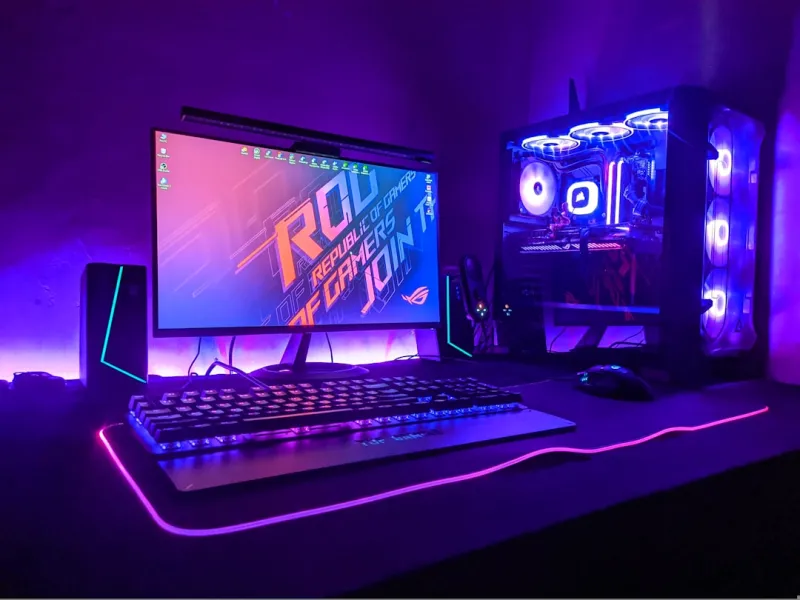
When I first opened my case this spring, the familiar hum of fans was a reminder that my rig had served me well for years, yet something felt off. The latency spikes in my favorite 4K titles and the occasional stutter in video editing workloads signaled that my PC was no longer the lightning‑fast workstation I expected. For power users like us, the upgrade journey isn’t just about swapping out a component; it’s a strategic exercise in diagnosing bottlenecks, forecasting future workloads, and aligning each purchase with the evolving software landscape of 2026. In this post I’ll walk you through the mindset I use to decide which upgrades deliver the biggest ROI, how to balance performance with power efficiency, and why a holistic approach—spanning motherboard selection, memory optimization, and network architecture—is essential for staying ahead of the curve.
Diagnosing the Real Bottlenecks
The first step in any upgrade plan is a brutally honest performance audit. I start by logging frame times, CPU utilization, and memory bandwidth during my most demanding tasks, whether that’s rendering a 12‑minute 8K video or crunching large AI model datasets. Modern benchmarking tools now expose micro‑architectural stalls that were invisible a few years ago, and these insights reveal whether the CPU is throttling under thermal constraints, if the SSD is hitting its I/O ceiling, or if RAM latency is the hidden culprit. One surprise I’ve encountered repeatedly is that even high‑end CPUs can be throttled by outdated firmware, which is why staying on the latest BIOS is non‑negotiable. For those who want a deeper dive into motherboard considerations, see my guide on building a future‑ready motherboard. Understanding these nuances prevents wasted dollars on flashy components that won’t address the underlying choke points.
Choosing the Right Components
Once the bottleneck map is clear, the component selection becomes a science. In 2026, the sweet spot for CPUs sits at the intersection of high core counts and efficient 7nm+ architectures, delivering both single‑thread performance for gaming and massive parallelism for content creation. Pairing such a processor with DDR5‑5600 memory ensures bandwidth headroom, but the real game‑changer is low‑latency CL30 modules that shave milliseconds off data retrieval. If you’ve ever wrestled with random freezes, you’ll understand why I advocate reading why RAM issues still trip up power users—and how to fix them. Additionally, storage upgrades now favor PCIe 5.0 NVMe drives with up to 14 GB/s sequential reads, which dramatically reduces load times for massive project files. Don’t overlook the power supply: a high‑efficiency 80+ Gold unit not only stabilizes voltage under load but also reduces heat, prolonging the lifespan of every component inside the case.
Future‑Ready Integration: The Network Layer
Performance isn’t limited to the internal silicon; network latency can erode the gains you achieve with a faster CPU or SSD, especially as cloud‑based AI services become integral to our workflows. In 2026, AI‑driven mesh networking is no longer a boutique solution—it’s becoming the de‑facto standard for power users who demand seamless bandwidth across multiple devices and rooms. The AI‑Powered Mesh and Edge Strategies guide dives into how self‑optimizing routers allocate traffic based on real‑time usage patterns, ensuring your workstation gets priority during heavy uploads or remote render farms. Moreover, integrating a dedicated 10 GbE NIC can offload network stacks from the CPU, freeing cores for compute‑intensive tasks. When planning your upgrade, consider a modular chassis that supports both PCIe 5.0 expansion and ample rear‑panel connectivity, so you can future‑proof the network pathway alongside the core hardware.
Balancing Power Efficiency and Performance
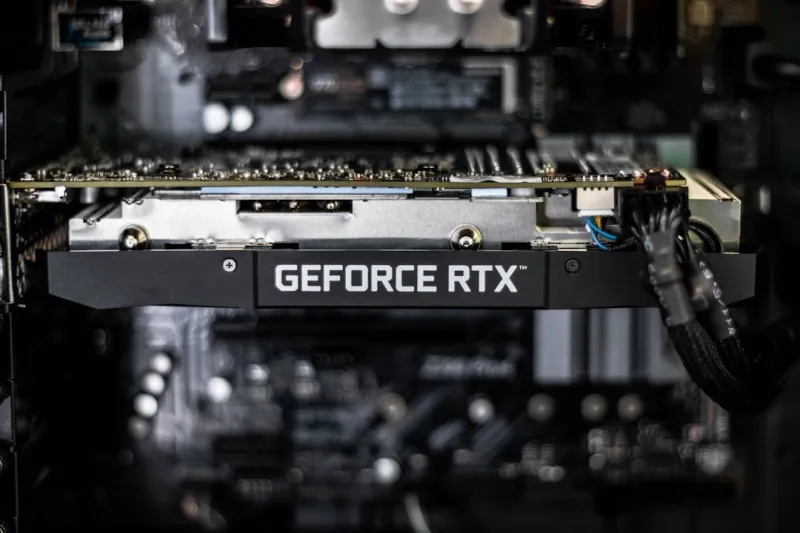
One of the most underrated aspects of a modern upgrade is power efficiency. While the raw wattage of today’s high‑end GPUs can be staggering, newer architectures incorporate dynamic power scaling that reacts to workload intensity in real time. By selecting a GPU with a robust power‑management suite, you can keep your electricity bill reasonable while still enjoying ray‑traced gaming at 144 Hz. Complement this with a case that supports optimal airflow—strategically placed intake fans and a liquid‑cooling loop can keep temperatures low enough for the CPU and GPU to sustain boost clocks for longer periods. Remember, thermal throttling not only reduces performance but also accelerates component wear. Pairing efficient cooling with a high‑efficiency PSU also reduces noise, an often‑overlooked factor for creators who spend long hours in front of their rigs.
Security Implications of Upgrading
Every hardware upgrade also reshapes your security posture. Newer chipsets come with built‑in hardware root of trust and TPM 2.0 modules that bolster encryption and secure boot processes. In an era where AI‑generated malware can adapt on the fly, leveraging these hardware‑based defenses is crucial. While we could spend pages on software solutions, the foundation begins with a platform that supports firmware‑level protections. For a deeper understanding of why modern malware demands a power‑user mindset, check out Why Modern Malware Demands a Power‑User Mindset. Upgrading to a motherboard with updated security firmware not only protects your data but also ensures compatibility with emerging security standards that will dominate the next few years.
Testing and Validation After the Upgrade
Installation is only half the battle; validation ensures you’ve actually removed the bottlenecks you identified. I run a suite of synthetic benchmarks—like Cinebench R23 for CPU, 3DMark Time Spy for GPU, and CrystalDiskMark for storage—to compare pre‑ and post‑upgrade scores. However, real‑world testing is equally important. I re‑render a recent 8K project, stream a high‑resolution game, and run a multi‑instance AI inference workload to see how the system handles sustained pressure. Monitoring tools that log temperature, power draw, and clock speeds over time reveal hidden issues such as power spikes or thermal throttling under prolonged load. Documenting these results not only validates your investment but also creates a baseline for future upgrades, turning each cycle into a data‑driven improvement loop.
Planning the Next Upgrade Cycle
Even after a successful upgrade, the technology landscape continues to evolve at breakneck speed. To stay ahead, I maintain a rolling wishlist that tracks emerging standards—like DDR6 memory, PCIe 6.0, and next‑gen Wi‑Fi 7 routers. By aligning your upgrade timeline with product roadmaps, you can anticipate when a component will hit the sweet spot between price and performance. Keep an eye on major industry announcements, especially those from semiconductor manufacturers, as they often dictate the cadence of meaningful performance jumps. Lastly, remember that upgrades are an investment in productivity; the goal isn’t just higher fps or faster boot times, but a smoother, more reliable workflow that lets you focus on creation rather than troubleshooting.