Why the Blue Screen Still Sends Shivers Down My Spine
Even after a decade of chasing down cryptic error codes, the moment Windows flashes that stark, indigo canvas I still feel a familiar jolt of adrenaline. In 2026, the blue screen isn’t just a relic of the past; it’s a live, breathing diagnostic that tells a story about every layer of your machine. I remember the first time my rig went dark while compiling a massive AI model—my heart raced, my coffee spilled, and a cascade of error numbers stared back at me. That experience taught me that a BSOD is less a fatal flaw and more a messenger, whispering exactly where the breakdown occurred. By treating each blue screen as a data point rather than a death sentence, you turn panic into power. The key is to stay curious, keep logs, and—most importantly—approach the screen with the same methodical mindset you’d use to debug code. In the sections that follow, I’ll break down the anatomy of a modern crash, give you a step‑by‑step rescue plan, and share the preventative habits that keep my workstation humming even under the heaviest workloads.
The Anatomy of a Modern BSOD in 2026
At its core, a blue screen is the operating system’s last‑ditch effort to prevent catastrophic data loss. In Windows 11 and its successors, the kernel writes a STOP code, a memory dump, and a concise message that pinpoints the failing subsystem. Unlike the vague “IRQL_NOT_LESS_OR_EQUAL” of a decade ago, today’s STOP codes often reference specific driver packages, firmware versions, or even hardware registers. The dump file, typically stored as a .dmp in the C:\\Windows\\Minidump folder, contains a snapshot of RAM, CPU registers, and a stack trace that can be parsed with WinDbg or Visual Studio. If you enable “Complete memory dump,” you’ll capture everything, giving you the granularity to isolate a rogue thread that caused the fault. Understanding this structure is crucial because every subsequent troubleshooting step hinges on the information the OS has already gathered for you. In short, the blue screen is a highly detailed post‑mortem report that, if read correctly, can turn a dreaded shutdown into a learning opportunity.
Common Triggers for Blue Screens in 2026
The landscape of BSOD triggers has shifted dramatically with the rise of AI workloads, high‑speed NVMe storage, and increasingly complex firmware ecosystems. First, driver updates—especially those bundled with cutting‑edge GPUs or AI accelerators—remain the top culprit. A single mismatched firmware version on a PCIe 5.0 SSD can cause memory corruption under heavy I/O, throwing a STOP error that looks like a hardware fault. Second, aggressive power‑management features introduced by manufacturers to squeeze out performance often conflict with Windows’ own power policies, leading to sporadic voltage dips that crash the kernel. Third, malicious code masquerading as legitimate system services has become more sophisticated, leveraging zero‑day exploits that corrupt kernel memory without leaving obvious footprints. If you’re hunting for a deeper dive on how to dissect these error messages, check out Decoding the Blue Screen, which walks you through interpreting each field of the dump with real‑world examples.
Capturing and Analyzing the Crash Dump
Before you can troubleshoot, you need the evidence. Enable “Automatic memory dump” via System Settings → Advanced → Startup and Recovery, and set the dump location to a dedicated SSD partition to avoid write‑speed bottlenecks during a crash. Once a blue screen occurs, reboot into Windows Recovery Environment and use the built‑in “Debugging Tools for Windows” to open the .dmp file. Running the !analyze -v command in WinDbg will surface the offending driver, the faulting address, and a call stack. For power users who prefer a GUI, Visual Studio’s “Debug > Windows > Dump File” feature provides a friendly view of the same data. Remember to keep the symbol path up to date (SRVc:\symbolshttps://msdl.microsoft.com/download/symbols) so the debugger can translate raw addresses into readable function names. A well‑captured dump is the single most valuable asset you’ll have when the blue screen reappears, turning a cryptic flash of color into actionable intelligence.
A Step‑by‑Step Rescue Playbook
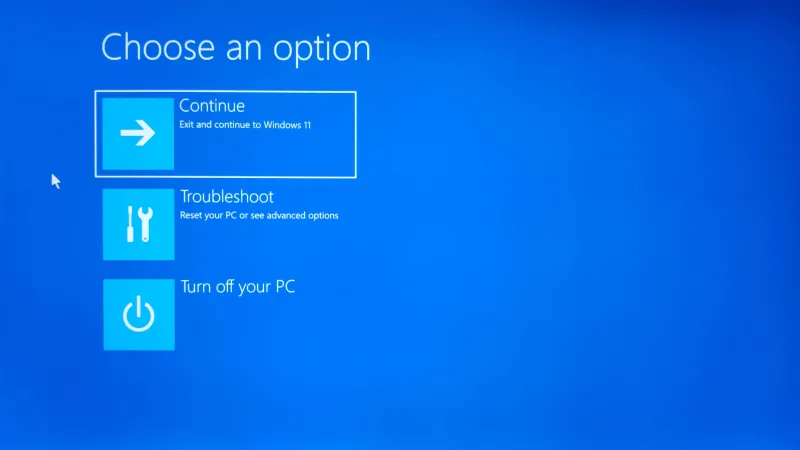
When the screen goes blue, resist the urge to immediately reinstall Windows. Instead, follow a systematic approach that isolates the problem without discarding your environment. 1️⃣ Boot into Safe Mode using the F8 key or the recovery options; this disables third‑party drivers, letting you verify whether the core OS is stable. 2️⃣ If Safe Mode runs clean, roll back any recent driver updates via Device Manager, focusing on graphics, network, and storage controllers. 3️⃣ Run sfc /scannow and DISM /Online /Cleanup‑Image /RestoreHealth to repair corrupted system files. 4️⃣ Use the built‑in chkdsk /f /r utility to scan for bad sectors on your boot drive, as a failing SSD can masquerade as a driver issue. 5️⃣ If the dump points to a specific driver, download the latest version directly from the manufacturer’s site—don’t rely on Windows Update alone. 6️⃣ Finally, perform a clean boot to re‑enable services one at a time, watching for the reappearance of the BSOD. This methodical ladder ensures you address software, firmware, and hardware angles in a logical sequence, dramatically reducing the time spent chasing phantom errors.
Hardware Realities: Motherboards, Memory, and the BSOD
While software missteps dominate the headline, the hardware foundation can’t be ignored. A mismatched BIOS version on a high‑end motherboard may cause timing conflicts with newer DDR5 modules, leading to intermittent memory violations that trigger a STOP error. Likewise, overclocked RAM that exceeds JEDEC specifications can corrupt data paths during intensive AI model training, producing a “MEMORY_MANAGEMENT” crash. If you suspect a hardware culprit, start by running MemTest86+ for at least three passes and verify that your BIOS is locked to the vendor‑recommended settings. For a deeper dive into selecting a rock‑solid platform, I recommend reading Why the Right Motherboard Is the Keystone of Every Power‑User Build. A well‑chosen motherboard not only offers stable power delivery but also ensures that firmware updates align with Windows’ expectations, dramatically lowering the odds of a blue screen caused by low‑level incompatibilities.
Drivers, Firmware, and the Art of Staying Current
Keeping drivers and firmware in sync is a delicate dance that pays off in blue‑screen resilience. In 2026, manufacturers release firmware updates on a weekly cadence to address security patches and performance tweaks for AI accelerators. However, applying a new firmware without updating the corresponding driver can introduce subtle mismatches in memory mapping, resulting in a “DRIVER_IRQL_NOT_LESS_OR_EQUAL” crash. Use the vendor’s utility—such as NVIDIA GeForce Experience, AMD Radeon Software, or Intel Driver & Support Assistant—to verify that both the driver and firmware are on the same revision. For storage devices, tools like Samsung Magician or Western Digital Dashboard provide granular firmware version checks. Schedule a monthly audit: run wmic qfe list brief /format:table to list installed updates, cross‑reference with the manufacturer’s release notes, and apply only the vetted patches. This disciplined approach turns the chaotic update stream into a predictable maintenance routine, keeping the blue screen at bay.
Preventive Maintenance and the Role of AI Monitoring
Proactive health monitoring is the secret sauce that separates a reactive fixer from a preemptive guardian. Modern AI‑driven tools such as Windows Sysinternals Performance Monitor, coupled with third‑party solutions like AIDA64 or HWInfo, can learn your system’s baseline performance and flag anomalies before they cause a crash. For example, a sudden spike in CPU voltage or a drop in memory bandwidth can be captured in real time, prompting an automated rollback of the offending driver. To understand how AI trends are reshaping power‑user workflows, explore AI Computing Trends Every Power User Must Know. By integrating these predictive analytics into your daily routine—setting alerts for temperature thresholds, SMART health warnings, and driver version drifts—you create a safety net that catches issues in the early stages, often before a blue screen ever materializes.
Looking Ahead: The Future of Blue Screens and Automated Recovery
As we move deeper into 2026, the blue screen is evolving from a blunt instrument into a more collaborative diagnostic partner. Microsoft’s upcoming “Live Kernel Debugger” aims to stream crash data to the cloud in real time, allowing AI services to suggest exact driver rollbacks or firmware patches within seconds of a failure. Imagine a system that not only logs the error but also automatically isolates the faulty module, applies a known‑good configuration, and reboots without user intervention. While we’re not fully there yet, the trajectory suggests that the next generation of BSODs will be less about panic and more about seamless recovery. Until that future arrives, the best defense remains a blend of meticulous logging, disciplined update management, and a healthy respect for the hardware that powers your workloads. Embrace the blue screen as a learning moment, and you’ll find that each crash becomes a stepping stone toward a more resilient, high‑performance workstation.