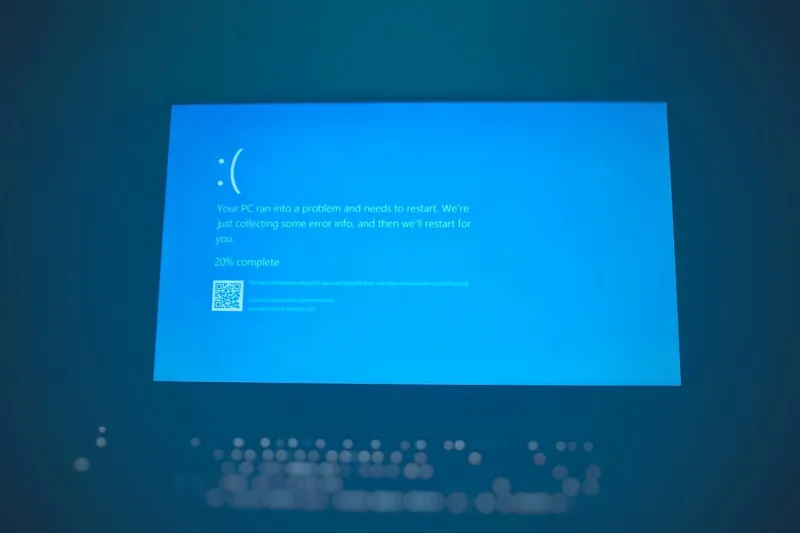
When that dreaded blue screen flashes across my monitor, it feels like a personal affront—like my PC is shouting, “I’m done with you!” As a longtime power‑user, I’ve learned to read the subtle clues hidden in the error codes, memory dumps, and even the timing of the crash. In 2026, the landscape has shifted: AI‑driven drivers, hyper‑threaded CPUs, and relentless background services mean that a blue screen is rarely just a hardware hiccup. It’s often a symphony of software missteps, driver incompatibilities, and even malicious code slipping past the latest defenses. Understanding the root cause starts with a disciplined approach: capture the STOP code, note the drivers listed, and cross‑reference with recent system changes. Once you have that data, you can decide whether you’re dealing with a flaky RAM module, a rogue video driver, or a more insidious kernel‑mode exploit. The key is not to panic, but to methodically narrow down the suspects while keeping your workflow as uninterrupted as possible.
Why Blue Screens Still Matter in a Modern OS Era
The myth that Windows has “solved” blue screens is as persistent as the screens themselves. In 2026, the operating system is more complex than ever, integrating AI assistants, cloud‑synced services, and virtualized environments. Each layer adds potential failure points that can manifest as a STOP error. For power users, a blue screen is a critical diagnostic signal—one that forces us to confront the underlying instability before it spirals into data loss. Moreover, the error codes have become richer, providing deeper insight into memory protection violations, driver failures, and even firmware issues. Ignoring them is no longer an option; it’s akin to ignoring a car’s check engine light and hoping for the best. By treating each crash as a learning opportunity, we can fine‑tune our rigs, update firmware, and stay ahead of the ever‑evolving threat landscape.
Diagnosing the Usual Suspects
My first step after a blue screen is to pull the memory dump using the built‑in Windows Debugger (WinDbg). The dump reveals the exact driver that triggered the fault. In many cases, the culprit is a graphics driver that was updated automatically via Windows Update—an unfortunate side effect of the “always‑latest” philosophy. If the dump points to dxgmms2.sys or a similar video subsystem, it’s time to dive into the video card troubleshooting guide and roll back or reinstall the driver. On the other hand, if you see ntoskrnl.exe or memory‑related errors, it may be a sign of faulty RAM, a scenario I’ve encountered countless times. In those moments, I reach for the RAM troubleshooting playbook, run MemTest86, and replace any suspect modules.
Beyond hardware, the software stack can be just as treacherous. Modern malware has grown sophisticated enough to embed itself in legitimate drivers, masquerading as essential system components. When a blue screen occurs after a seemingly innocuous download, I suspect an AI‑powered malware infection. The Outsmarting AI‑Powered Malware article outlines how to isolate the offending process, verify driver signatures, and use specialized anti‑rootkit tools. Remember, a blue screen isn’t always a crash; sometimes it’s a deliberate safeguard designed by the OS to prevent further corruption. By staying vigilant and employing a layered defense strategy, you can turn a frustrating crash into a proactive security win.
Preventive Maintenance: Proactive Steps for Power Users
Prevention is the most efficient cure, especially for a power user who relies on uptime. First, keep a rolling backup of your system image using the built‑in Windows System Image tool or a third‑party solution. That way, if a blue screen forces a reboot into recovery mode, you can restore to a known good state within minutes. Second, disable automatic driver updates unless you’re part of a testing program; manual control lets you vet each release against known issues. Third, schedule regular RAM diagnostics and firmware checks—modern motherboards often release BIOS updates that address obscure memory handling bugs. Finally, maintain a clean boot environment by disabling non‑essential startup services and scheduled tasks that could interfere with critical processes during heavy workloads.
Another often‑overlooked preventive measure is monitoring temperature and power delivery. Overheating CPUs or fluctuating power can corrupt memory, leading to STOP errors that masquerade as driver faults. Investing in a reliable PSU with clean voltage rails and a quality aftermarket cooler can save you from cryptic blue screens down the line. Pair this hardware vigilance with software tools like HWInfo and Windows Performance Monitor to set alerts for temperature spikes or voltage anomalies. The result is a more stable platform that reduces the frequency of catastrophic crashes, keeping you focused on creation rather than troubleshooting.
Quick Recovery Techniques When the Screen Goes Blue
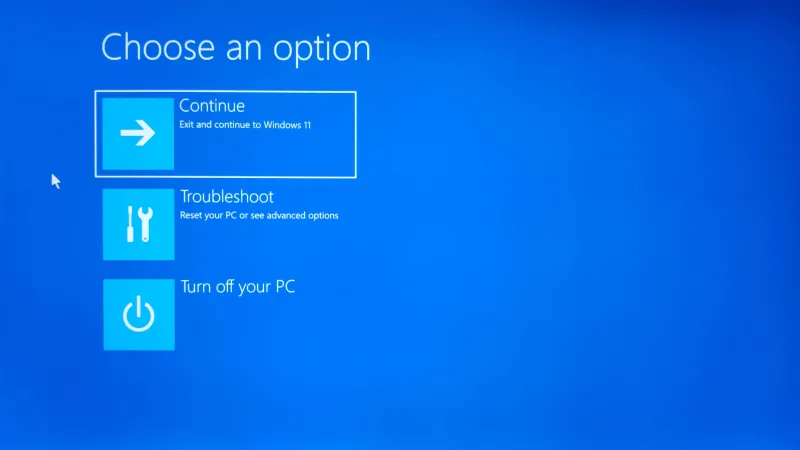
Even with the best preventive measures, crashes happen. The first thing to do is to note the STOP code—something like 0x0000007E or 0x00000124. Write it down or take a photo; the details are essential for later analysis. Next, perform a hard reset only if the system is completely unresponsive; otherwise, use the Power button to initiate a graceful shutdown. Upon reboot, Windows will attempt to enter Safe Mode automatically if a crash is detected. From Safe Mode, you can uninstall recent driver updates, run System File Checker (sfc /scannow), or roll back system restore points. If the system refuses to boot, you can access the advanced startup options via a Windows installation USB, then use “Startup Repair” or “Command Prompt” to execute chkdsk /f /r and fix any disk corruption that may have contributed to the crash.
For power users who need to get back online fast, I keep a portable USB toolkit with a pre‑configured WinPE environment that includes WinDbg, MemTest86, and a set of known‑good driver packages. Booting from this toolkit allows you to collect dump files, replace faulty drivers, and even run a lightweight Linux distro to recover critical data before Windows even starts. This approach reduces downtime dramatically, turning what could be an hour‑long nightmare into a matter of minutes. And remember, after any recovery, revisit your system logs to identify the root cause and adjust your preventive strategy accordingly.
Leveraging AI and Modern Tools for Faster Diagnosis
Artificial intelligence isn’t just a threat; it’s also a powerful ally in blue screen diagnostics. In 2026, several AI‑driven utilities can parse dump files, cross‑reference error codes with massive online databases, and even suggest the most likely culprit based on your hardware profile. Tools like Microsoft’s Azure Diagnostics and third‑party platforms integrate seamlessly with WinDbg, providing real‑time suggestions as you step through the crash dump. By feeding the dump into an AI model, you can receive a prioritized list of drivers, firmware, or software modules to inspect, cutting down the investigative time from hours to minutes.
Beyond AI, the Windows 2026 kernel introduces enhanced logging capabilities. The Event Viewer now offers a “Blue Screen Insights” tab that aggregates crash data, correlates it with recent updates, and highlights patterns that may indicate a systemic issue. Pair this with the Master Windows in 2026 guide to unlock hidden settings like “Driver Verifier” and “Kernel Debugging” that can surface hidden bugs before they cause a crash. Embracing these modern tools not only speeds up recovery but also empowers you to become a proactive maintainer of your own machine.
When to Call in the Experts
There comes a point when the blue screen is a symptom of a deeper, perhaps even hardware‑level, problem that exceeds the scope of home troubleshooting. If you’ve exhausted driver rollbacks, RAM tests, and firmware updates, yet the STOP errors persist—especially those referencing nvlddmkm.sys or other GPU‑related modules—it may be time to engage the manufacturer’s support or a certified repair service. Warranty‑covered components can often be replaced at no cost, and many vendors now offer remote diagnostics using secure telemetry streams that can pinpoint issues without you having to ship the machine.
Even when your hardware is out of warranty, professional services can save you time and frustration. A reputable repair shop can perform advanced stress tests, replace failing components, and even reflash BIOS versions that are not publicly available. While this incurs a cost, the value of preserving data integrity and maintaining a reliable workstation often outweighs the expense. In the end, knowing when to seek expert help is a hallmark of a seasoned power user—one who values both performance and peace of mind.
Building a Blue‑Screen‑Resilient System for the Future
Looking ahead, the best way to stay ahead of blue screens is to design your system with resilience in mind. Choose components with strong driver support histories—Intel’s latest CPUs, NVIDIA’s RTX 40‑series, and DDR5 RAM from reputable manufacturers—all of which receive regular firmware updates. Pair these with a robust cooling solution and a high‑efficiency PSU that meets or exceeds the 80 Plus Gold standard. Additionally, keep your software stack lean: uninstall legacy applications, limit background AI assistants, and use virtual machines for experimental software. This approach reduces the attack surface and minimizes the chance of driver conflicts.
Finally, adopt a habit of regular system audits. Quarterly, run a full suite of diagnostics: driver version checks, firmware updates, memory stress tests, and security scans. Document each audit in a simple spreadsheet, noting any changes or anomalies. Over time, this record becomes an invaluable timeline that helps you correlate new crashes with recent modifications. By turning maintenance into a routine rather than an after‑the‑fact reaction, you’ll find that blue screens become rare footnotes in an otherwise smooth computing experience.